


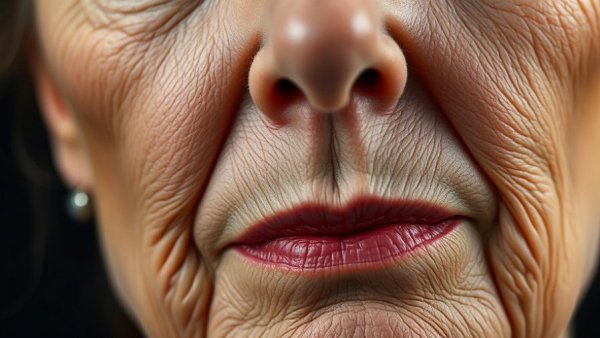
Understanding Wrinkles: The Science of Aging Skin
Wrinkles are a common sign of aging, and their formation can be somewhat perplexing. While many regard wrinkles as a mere cosmetic concern, the science behind their development reveals a complex interplay of genetics, lifestyle choices, and environmental factors. Recent studies suggest that wrinkles occur due to the formation of fault lines in aging skin. Just as an old leather glove develops creases at its joints from use, our skin forms grooves from the repeated movements of facial expressions, leading to permanent lines over time.
In Friday Favorites: What Causes Wrinkles?, the video delves into the intricate biology of skin aging, sparking deeper insights into how our choices affect wrinkle formation.
Facial Expressions: The Double-Edged Sword
Curiously, an eight-year longitudinal study found that the wrinkles on a person's face can be traced back to their habitual expressions. For instance, in those who smile frequently, the pattern of temporary wrinkles tends to become permanent, etching lines around the eyes and mouth. Facially expressive individuals may even consider unconventional suggestions, like minimizing social interactions to prevent wrinkle formation. While it’s impractical, these points illustrate an undeniable truth: our daily expressions significantly influence our skin health.
Controversial Solutions: The Botox Debate
One of the most discussed solutions for combating wrinkles is Botox, known for its ability to freeze facial muscles and minimize expression lines. However, there are controversies surrounding its efficacy and necessity. For instance, a case study involving identical twins showcased a year-long Botox regimen that resulted in fewer wrinkles for one twin compared to the other. Yet, while Botox may offer temporary relief, it poses questions about longer-term skin health and the need for facial expressiveness in daily interactions.
Sleep and Skin: Debunking Myths
The concept of "sleep wrinkles" has garnered attention in recent years, with some asserting that sleeping positions can cause skin distortion leading to wrinkles. However, research indicates little correlation between a person's sleep habits and their wrinkle formation. Interestingly, ongoing marketing of expensive “anti-wrinkle” pillows has surfaced, yet clinical testing provides scant evidence of actual effectiveness. Habitual skincare routines seem a more scientifically sound approach to maintaining skin health.
Genetics and Skin Type: The Role of Biology
While lifestyle factors and environmental concerns play a significant role in wrinkle formation, genetics cannot be overlooked. Lighter skin tones tend to wrinkle more easily than darker skin pigmentation, leading to distinctions between ethnicities in terms of aging patterns. For instance, Caucasian skin typically exhibits more pronounced wrinkling compared to Asian counterparts, who often face pigmented changes instead. Each individual's skin type may necessitate a personalized approach to skincare and wrinkle prevention.
Taking Control: Preventive Measures for Healthy Skin
Amid the challenges of wrinkle formation, there are actionable steps individuals can take to promote skin longevity. Smoking cessation and sun protection are paramount, as UV exposure significantly contributes to collagen breakdown and aging. Moreover, maintaining hydrated skin through moisturizers can mitigate the visible signs of aging. It is essential to remember that rather than silencing our faces with Botox, we can foster skin resilience and health through responsible lifestyle choices.
Emerging Concerns: The Impact of Technology
As technology proliferates, researchers have started investigating its impact on skin health. Notably, exposure to blue light from phones and tablets has raised alarms for potentially accelerating skin aging processes. Studies have shown that cells subjected to this light emitted a concerning increase in free radicals, which can lead to oxidative stress and cellular damage. While further research is needed to understand these effects fully, it hints at the developing relevance of digital habits on our skincare routines.
In conclusion, understanding the science behind wrinkles is vital for developing effective prevention and treatment strategies. By combining knowledge from research with actionable lifestyle changes, individuals can better manage the aging process and maintain youthful-looking skin.





Write A Comment