



The Hidden Connection Between Nutrition and Endometriosis Pain Relief
As discussions around women's health continue to evolve, pain management for conditions like endometriosis remains a challenging frontier. In a recent video, Dr. Greger highlights a single-cent solution that may bring significant relief to those suffering from this condition. But what does this entail and how deep is the connection between our diets and chronic pain? Let's delve deeper into these insights.
In Dr. Greger's video, a single-cent solution for significant pain relief from endometriosis is explored, leading us to analyze the impactful role of nutrition on chronic pain management.
Understanding Endometriosis: More Than Just Discomfort
Endometriosis affects approximately 10% of women during their reproductive years, often resulting in excruciating pain and debilitating symptoms. This condition occurs when tissue similar to the lining inside the uterus grows outside it, often leading to chronic inflammation. While many treatments focus on hormonal therapies or pain medications, emerging research indicates that dietary adjustments could play a pivotal role in managing pain levels effectively.
Food as Medicine: How a Simple Solution Makes a Difference
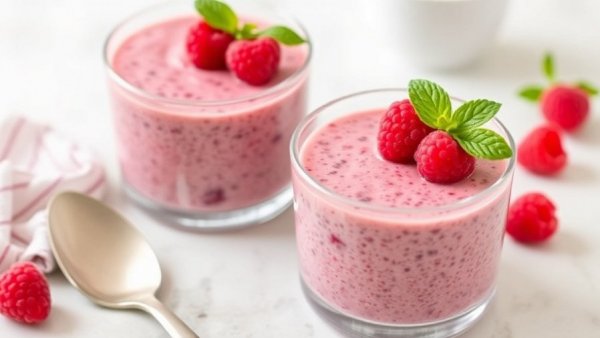
Dr. Greger’s video encapsulates a powerful, yet understated truth about nutrition’s role in pain management. He suggests incorporating anti-inflammatory foods, specifically noting the effects of a low-calorie smoothie diet centered around whole plant-based ingredients. Such smoothies not only provide essential nutrients but also work to reduce inflammation throughout the body, thereby alleviating the pain associated with endometriosis.
Combatting Inflammation: The Role of Nutrients
Research underscores a compelling link between diet and inflammation, particularly as it pertains to chronic pain. Ingredients like leafy greens, berries, and nuts, rich in antioxidants, can significantly lower inflammatory markers in the body. Additionally, omega-3 fatty acids found in flaxseeds and chia seeds can serve as natural anti-inflammatory agents, thereby contributing to pain relief strategies for conditions like endometriosis.
Practical Insights: Creating Your Own Endometriosis-Friendly Smoothies
To leverage Dr. Greger’s insights into actionable steps, one could easily begin incorporating smoothies into their daily routine. Here are some essential elements you can include:
- Leafy Greens: Spinach and kale are fantastic bases due to their high fiber and vitamin content.
- Fruits: Berries, bananas, and apples pack your smoothies with antioxidants that combat inflammation.
- Healthy Fats: Avocados or flaxseeds can add creaminess while providing beneficial omega-3 fatty acids.
Experimenting with various ingredients not only diversifies flavor but maximizes nutrient absorption to help manage pain more effectively.
Future Directions in Nutrition and Women's Health
The simplicity of Dr. Greger's advice highlights a growing trend in understanding women's health through the lens of nutrition. As we witness the intertwining of holistic approaches to medical care with evidenced-based dietary recommendations, the future holds promise for many women battling endometriosis and other chronic conditions.
Conclusion: A Call to Action for Your Health Journey
If you or someone you know is navigating the complexities of endometriosis, consider making informed dietary changes as part of your overall management plan. By focusing on a nutrient-dense diet, it may be possible to find a natural, holistic approach to alleviate suffering. To explore more about how different foods can influence your wellbeing, I encourage you to delve into the science of nutrition. Take the leap towards better health today!




Write A Comment