


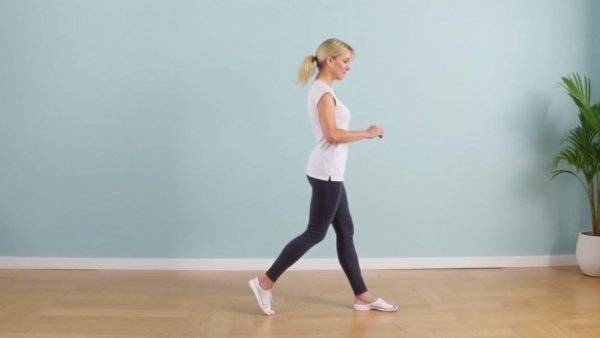
The Importance of Balance Training After 70
As we navigate through life, maintaining balance becomes increasingly crucial, especially after the age of 70. Walking is great, but it doesn’t fully challenge our body’s balancing capabilities. Dr. Shady Hassan, a sports medicine physician, emphasizes that targeted balance exercises are essential for improving stability and preventing falls. This is not just about physical fitness; it's about empowering seniors to feel more confident and secure in their daily activities.
Five Essential Standing Exercises for Better Balance
Here are five standing exercises that Dr. Hassan recommends for enhancing balance, tailored specifically for those over 70:
1. Single-Leg Stands
This exercise helps train the muscles in the hips and ankles. Stand upright with your feet hip-width apart. Gently shift your weight onto your left foot, lifting your right foot off the ground. Engage your core and hold the position for 10-20 seconds. This activity not only improves balance but also prepares the body for the dynamics of walking.
2. Heel-to-Toe Standing
This exercise helps control side-to-side movement, which can enhance stability. Stand tall, placing one foot directly in front of the other—almost as if you are walking on a tightrope. Hold this position for 10-20 seconds before switching feet. This simple practice will enhance your ability to navigate through crowded spaces and uneven surfaces.
3. Standing Side Leg Raises
Strengthening the hip abductors is essential for maintaining balance. Stand tall and shift your weight onto your left leg. Slowly lift your right leg straight out to the side, holding it for a moment at the top before lowering it back down. This strengthens critical leg muscles that stabilize your body while walking.
4. Heel Raises
Strong calf muscles play a vital role in balance. For this exercise, stand facing a counter and slowly rise onto the balls of your feet, holding for a second before lowering back down. By doing this, you’ll boost your ankle strength, which is key for making adjustments in your posture while walking.
5. Standing March
This combines balance with coordination. Stand tall and gently lift one knee towards your chest. Alternate legs, maintaining a steady rhythm. This practice simulates the mechanics of walking, allowing your body to adjust and thrive in movement.
Why Balance Matters More Than Walking Alone
While walking continues to be an invaluable part of maintaining fitness, it may not effectively address all aspects of balance. Engaging in targeted exercises promotes better stability and coordination—qualities essential for preventing falls and sustaining independence. Integrating these exercises into your routine not only improves physical strength but also fosters mental confidence.
What the Future Holds for Balance Training
With the growing awareness of health and wellness after aging, more resources and programs focusing on balance training are emerging. Communities are beginning to recognize the importance of providing seniors with access to safe spaces to practice these exercises. By investing in balance training, we empower older adults to maintain their quality of life and stay active for longer.
In summary, incorporating balance exercises can significantly enhance one's mobility and confidence in later years. As individuals embrace these targeted practices, they pave the way for a healthier, more secure lifestyle. Start practicing these standing exercises today to experience the benefits firsthand!





Write A Comment