


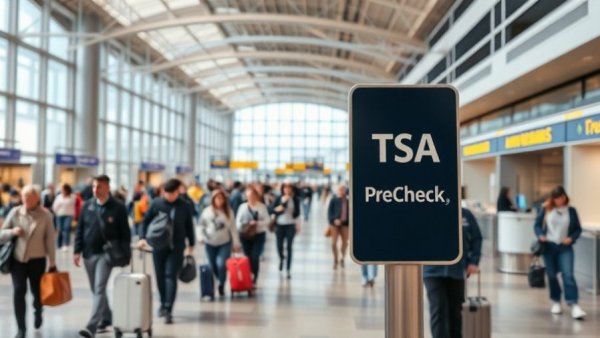
What TSA PreCheck Actually Gets You: Unpacking the Myths
Many travelers think that signing up for TSA PreCheck is the ultimate ticket to a stress-free airport experience. In reality, while TSA PreCheck indeed makes airport security more manageable, it doesn’t guarantee a hassle-free journey or eliminate all travel stressors. Here, we reveal the truths behind the misconceptions that could affect your travel plans and suggest how to better prepare for your next flight.
Understanding Wait Times: Are They Really Short?
The TSA claims that 99% of PreCheck members experience wait times of less than 10 minutes. However, it's essential to understand that this does not equate to a guarantee of speedy passage at all checkpoints. Some travelers may still find themselves stuck behind slow-moving lines, especially during busy travel seasons. To mitigate the potential for delay, always allow extra time before boarding, particularly during peak hours.
The Myth of a Dedicated Lane: What You Need to Know
While TSA PreCheck is designed to provide expedited screening, it does not always guarantee a dedicated lane. Availability can vary based on the airport’s schedule, leading to situations where there’s no distinct PreCheck lane open. Therefore, check airport-specific schedules ahead of your trip. This way, you can plan accordingly and avoid unnecessary frustration.
Auto-Enrolled or Not? The Importance of Confirmation
Getting that coveted PreCheck designation isn’t automatic with every flight booking. Ensure your Known Traveler Number (KTN) is correctly entered when making a reservation. If the PreCheck indicator fails to show up on your boarding pass, don’t panic—reach out to your airline’s customer service before arriving at the airport. This step can save you valuable time during your journey.
What Packing Rules Still Apply?
PreCheck does grant certain exemptions, like keeping your shoes on and laptops packed, but longstanding regulations still apply to liquids. Travelers must remember that containers must be 3.4 ounces or less. While PreCheck might offer more leeway with the liquid bag during screening, it does not change the rules regarding the size of carry-on liquids. Always ensure you’re complying with these guidelines before you pack.
Identity Checks Are Still Mandatory
Even with TSA PreCheck, identity verification remains a steadfast requirement. After the enforcement of the REAL ID law, some state-issued licenses may no longer suffice, making it essential for travelers to carry an appropriate form of ID. Awareness of this can save you from facing a denial at the checkpoint, keeping your trip on track.
Customs vs. TSA PreCheck: Understanding the Differences
One common misconception is that TSA PreCheck expedites the customs process after international flights. It’s crucial to remember that while TSA PreCheck aids in security screening before your flight, Global Entry—which requires separate enrollment—is the program designed for faster customs processing upon arrival in the U.S. Understanding this distinction can prevent confusion upon returning home.
Preparation Is Key: Expectations for Travel
The best way to ensure that PreCheck adds value to your travel experience is to adjust your expectations. Familiarize yourself with airport-specific procedures, verify the status of PreCheck on your reservation, and stay informed of packing regulations. While TSA PreCheck streamlines one aspect of air travel, a smooth journey ultimately relies on your preparedness—allowing for a more enjoyable experience from departure to arrival.
Actionable Insights: Making the Most of TSA PreCheck
To make the most of your TSA PreCheck benefits, take proactive steps in your travel planning. Keeping an eye on the latest TSA updates, understanding airport configurations, and packing smartly can significantly reduce travel stress. Remember, the less time you spend worrying about the unexpected, the more you can focus on enjoying your journey.





Write A Comment