


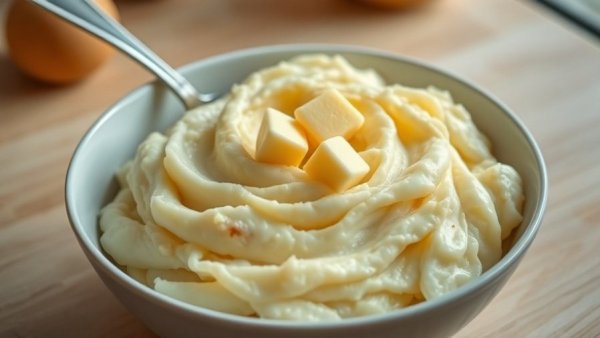
Understanding the Science Behind Gluey Mashed Potatoes
When it comes to making the perfect mashed potatoes, many people struggle with a single, frustrating problem: gluey or gummy potatoes. This mishap commonly occurs due to the way potatoes are processed. The secret lies in their starch content. Potatoes, being naturally starchy, hold a good amount of moisture, allowing for a creamy texture when mashed. However, overworking the potatoes releases too much starch and turns a beautifully fluffy mix into a sticky paste.
The Right Tools Can Make All the Difference
To prevent gluey mashed potatoes, it's not just about the technique but also the tools you use. For the busy individual balancing work and home life, a basic hand potato masher might seem like a relic. However, these can be your best friend in the kitchen. Opt for a vintage-style masher with a grid pattern, as it allows for more controlled mashing and significantly reduces the risk of overworking the potatoes. Using electric tools like food processors can save time, but they often cut through potato cells too quickly, leading to gluey outcomes.
The Key to Selecting Your Potatoes
Choosing the right type of potato also plays a role in achieving that perfect mash. Starchy varieties like russet or Yukon Gold are your best bets, as they break down well and help create a creamy texture. In contrast, waxy potatoes can lead to a more firm and less palatable mash. This knowledge can make a world of difference when you're racing against the clock to prepare dinner.
Temperature Matters: Warm Ingredients Are Essential
In the hustle of cooking, it’s easy to overlook every detail, but heating your butter and milk before mixing them into the potatoes is critical. Cold ingredients can cause the warm starch to seize and clump. By avoiding this small but impactful mistake, you can enhance the fluffiness and creaminess of your mashed potatoes without adding extra effort in a busy kitchen.
Quick Fixes for When You've Already Overworked Your Potatoes
If your potatoes end up a gluey disaster despite your best efforts, don’t worry—there are steps you can take. One quick solution is to add more fat. Butter not only improves flavor but also helps coat the excess starch, counteracting the gluey texture. For optimal results, consider using a European-style butter with higher fat content. You can also increase your volume by mixing in freshly cooked potatoes, which can help dilute the sticky consistency of your original mash.
Creative Repurposing: No Potato Left Behind
Sometimes, potatoes are just too far gone. But instead of tossing them out, why not get creative? Transform your gluey mashed potatoes into delicious potato soup! Simply stir in extra broth, some spices, and your favorite vegetables for a creamy, comforting bowl that will warm you up during those hectic days.
Join the Community
At the end of the day, cooking should be fun and accessible, even for those of us with busy schedules. Whether you're cooking for yourself or your family, simple tips can save you time and frustration in the kitchen. So grab that potato masher and share your own cooking adventures with friends or online communities. Together, we can make cooking enjoyable!




Write A Comment