


Discovering How Much Protein You Really Need
As fitness enthusiasts hit the gym, one question often arises: how much protein do you really need to maximize your workouts? Protein plays a crucial role in muscle recovery and growth. While the standard recommendation is 0.8 grams per kilogram of body weight, active individuals, especially those engaging in strength training, should aim for about 1.2 to 1.6 grams per kilogram. Those pushing their limits might opt for as much as 2.0 grams per kilogram. For example, a 180-pound individual should target approximately 98-131 grams of protein daily. This higher intake supports both recovery and strength gains, ensuring that every workout counts.
The Importance of Pre-Workout Nutrition
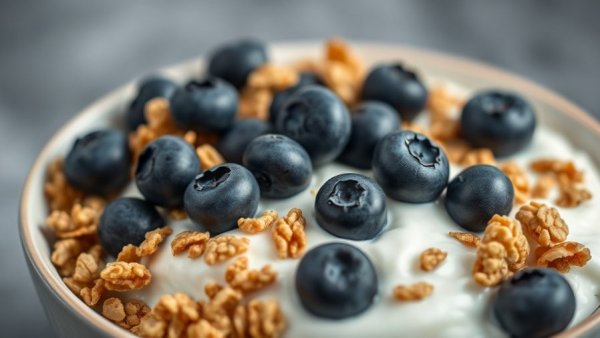
Fueling up before workouts is just as crucial as post-workout nutrition. While protein is essential, carbohydrates are your best friend before hitting the weights. They provide the energy necessary for a productive session. Ideal pre-workout meals should consist of protein and carbs together. Examples include Greek yogurt with fruit, scrambled eggs with whole-grain toast, or oatmeal made with milk and topped with nuts. If you're pressed for time, quick snacks like a banana or a small apple with peanut butter can still boost your energy without feeling heavy on your stomach. These choices not only provide sustained energy but can help enhance your overall performance at Gold’s Gym.
Nourishing Your Body After Exercise
What you eat after a workout is key to muscle repair. Studies indicate that consuming 20-40 grams of protein post-exercise can help your muscles recover effectively. Despite the common narrative around the 'anabolic window,’ your body remains primed for protein synthesis for several hours after a workout. This means you have flexibility in timing. Nourishing snacks like plain Greek yogurt, scrambled eggs, cottage cheese, or even a protein shake can easily fit into your post-workout routine while keeping it simple and enjoyable. Choosing whole foods for your post-workout snacks not only helps improve recovery but can also promote a greater sense of satiety and overall health.
How Aging Affects Protein Needs
As we age, our protein needs shift. Older adults may require more protein to counter muscle loss and support overall health. This shift highlights the importance of integrating high-quality protein sources throughout our daily meals. Maintaining muscle mass is not only about aesthetics; it is crucial for metabolic health, balance, and strength, particularly as we age. Adding protein-rich foods at every mealtime ensures that you’re meeting your body's evolving needs over the years. Simple changes can make a significant difference, such as substituting regular pasta with bean or lentil-based varieties that boost protein intake.
Tips for Making Healthy Choices
Staying on top of your protein intake doesn't have to be a challenge. Here are some helpful tips for busy individuals and families looking to enhance their protein intake:
- Meal Prep: Cook a variety of protein-rich grains, beans, and meat options to easily incorporate into meals. Preparing meals in advance can ensure that you always have nutritious options available, saving you time during hectic weeks.
- Snacks on Hand: Keep snacks like yogurt, protein bars, or boiled eggs within reach during busy days. Easy-to-grab options can help prevent unhealthy choices and maintain energy levels throughout your day.
- Diversity Matters: Incorporate various protein sources, like legumes, dairy, or plant-based options, in your meals to keep it interesting. This not only enhances taste but provides a wider array of nutrients, supporting your health beyond just protein.
- Share Your Journey: Connecting with fellow Gold’s Gym members can provide motivation and ideas for nutritional strategies. Sharing recipes and tips can create a sense of community and make healthy eating more enjoyable.
If maintaining your health and energy levels while enjoying a busy lifestyle resonates with you, consider the role of protein in your daily routine. Integrating protein-rich foods in a balanced way can enhance your performance at the gym, support muscle recovery, and contribute to overall well-being. Remember, the journey to healthy living is a marathon, not a sprint—fuel yourself wisely!





Write A Comment