


Spotting Hidden Dangers: Household Items You Should Replace
Keeping a clean home is often straightforward, but we sometimes overlook crucial household items that can harbor germs and hinder our well-being. From kitchen sponges to mattresses, here's a closer look at common household items you might be replacing too late. Learning to recognize when these items should be changed can save you from potential health issues and enhance your living space.
The Unsung Heroes: Kitchen Sponges and Loofahs
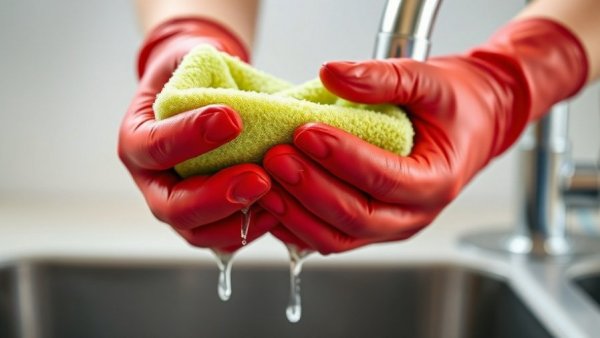
Your trusty kitchen sponge may appear clean even when it's not, acting as a breeding ground for bacteria. The Cleveland Clinic suggests replacing them every two weeks to prevent harmful germs from contaminating your dishes. Similarly, shower loofahs stay damp long after use, making them susceptible to mold. It’s wise to replace natural loofahs every three to four weeks, while synthetic ones can last up to two months if cared for properly.
Your Brush with Dental Health: Toothbrushes
Oral hygiene begins with your toothbrush. Over time, bristles fray and lose their cleaning effectiveness. The Mayo Clinic advises replacing your toothbrush every three to four months or sooner if the bristles begin to fan out. Setting a reminder on your calendar could be the best way to ensure you're keeping your dental care routine strong.
Rest Your Head: Pillows and Mattresses Matter
The importance of a good night’s sleep cannot be understated, and your pillow plays a significant role in that. If you frequently wake up with neck pain, consider your pillow’s age. The Sleep Foundation recommends replacing pillows every one to two years depending on the material. Similarly, it’s time to inspect your mattress if you feel stiffness each morning. Typically, a mattress lasts seven to ten years, but this can vary based on usage and care.
Water Filtration: Are You Drinking Clean Water?
Your health quite literally flows through your water filter! Disposable filters in pitchers like Brita should be replaced every two months, or after about 40 gallons of use. For refrigerator water filters, many need changing every six months. Neglecting this can lead to less effective filtration, potentially impacting your health. Always check the specific guidelines for your models to stay on the safe side.
Safety First: Smoke Alarms and Fire Extinguishers
Safety equipment is often brushed aside until it’s too late. While smoke alarms provide comfort, they should be replaced every ten years, according to the U.S. Fire Administration. Regular testing is essential, so make it part of your monthly routine. For fire extinguishers, a 12-year check-up is recommended. Rust, dents, or leaks signal that it’s time to replace them.
Implementing Routine Checks for a Safer Home
While it may not be practical to memorize the lifespans of every item in your house, you can incorporate checking these appliances into your existing cleaning routines. Whether it’s during kitchen clean-up or changing linens, you can efficiently assess and replace items that are past their prime.
Get Your Household in Shape!
Taking the time to care for your household items ensures a healthier living space and reduces potential risks. Proactive replacements keep your home clean and safe. Don't leave replacements to chance – prioritize your health by making regular checks a part of your routine.
By becoming aware of these key household items and their proper maintenance, you can foster a safer and healthier home for you and your loved ones. Join the conversation today – how do you keep a check on your household items?





Write A Comment