
Add Row
Add Element
cropper
update

{COMPANY_NAME}

Drink Me Healthy - logo
update
Add Element
  • Home
  • Smoothies
    • Healthy Smoothies
    • On-the-Go
    • Savory Smoothies
    • Low Calorie Smoothies
    • Weight Loss Smoothies
    • Treat Smoothies
    • Smoothies for Diabetes
    • Energy Boost
    • Reduce Belly Fat
    • Detox
  • Health & Fitness
    • Blenders & Blending
    • Community
    • Fitness
    • Health Matters
    • Immunity
    • Juicing
    • Lifestyle
    • Nutrition
Add Element
  • Drink Me Healthy on Facebook
    update
  • Drink Me Healthy on X
    update
  • update
  • update
  • update
  • update
  • Drink Me Healthy on Instagram
    update
July 21.2015
2 Minutes Read

[RECIPES] 15 Summer Smoothie Bowls – Eat With a Spoon

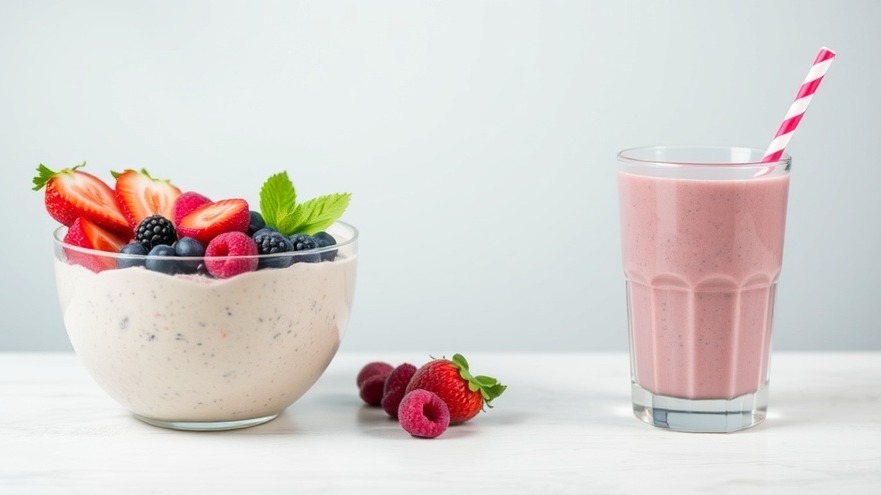
15 Summer Smoothie Bowls

Eat or drink your smoothie!!!

Catch this trend – summer smoothie bowls. Here we have 15(!!) recipes designed for healthy weight-watching, energy and flavor. A super collection of smoothie ideas. You’ll also discover interesting details on how these impact your digestion, and it’ll help you come up with more great ideas for your own summer smoothie recipes.

Check out the recipe list below – I think you’ll be impressed.

Smoothies and Summer days go hand in hand, but sometimes you want to slow down, use a proper utensil (sorry straws), and chew your food.

Enter smoothie bowls, a breakfast trend that started with the Hawaiian acai bowl and has since expanded to the pitaya (aka dragon fruit) bowl and smoothie bowls of all ilk.

Here are 15 variations to try — plenty to get you through these dog days of Summer.


Here’s the Summer Smoothie Bowls Recipe List:

  1. Pineapple-Mango Acai Bowl

  2. Rainbow Summer Fruit Smoothie Bowl

  3. Blueberry Acai Bowl With Granola

  4. Green Monster Smoothie Bowl

  5. Strawberry Banana Peach Smoothie Bowl

  6. Spiced Date Acai Bowl

  7. Acai, Raspberry, and Granola Parfait

  8. Strawberry Almond Banana Smoothie Bowls

  9. Coconut-Berry Acai Bowl With Toasted Buckwheat Granola

  10. Chocolate Peanut Butter Acai Bowl

  11. Chocolate Banana Berry Smoothie Bowl

  12. Acai Banana Coconut Smoothie Bowl

  13. Strawberry Banana Acai Bowl

  14. Pineapple-Banana Green Smoothie Bowl

  15. Blueberry Banana Citrus Smoothie Bowl


See the details on all recipes by going over to the original article: popsugar.com

Further recipes Also at PopSugar

Photo: DrinkMeHealthy


You may also like:

5 Tips to Beat the 3 pm Sugar-Low Slump


80 Views

0 Comments

Write A Comment

*
*
Related Posts All Posts
12.10.2025

What Most People Don’t Know About lifestyle habits (And Why It Matters)

Did you know? Recent research shows that over 80 per cent of health outcomes are driven more by your lifestyle habits than your genes. In other words, the choices you make each day—what you eat, how you move, and how you manage stress—could be more important than the DNA you were born with. This surprising fact reshapes what we think about health, wellbeing, activity level, and even weight loss. Keep reading to uncover why these everyday choices matter so much, why most people overlook key habits, and how you can use these insights for a healthier, happier future. Surprising Facts About Lifestyle Habits Revealed "Research shows that minor lifestyle habits can impact your health and wellbeing more profoundly than genetics." A Startling Statistic About Lifestyle Habits Research from the chief medical officer in the UK reveals that just 30 minutes a day of brisk activity can reduce the risk of heart disease by up to 40 per cent. This means that incorporating manageable and consistent physical activity into your everyday life may have an even more significant effect on your health and wellbeing than some people realize. Furthermore, data collected over the last year indicates that adults in the UK who adopted small, positive habits—like adding an apple or more leafy greens per day or walking more—also showed improvements in both physical and mental health. These findings highlight that even minor shifts in daily routine hold remarkable potential for both weight loss and general wellbeing. It’s not always about making drastic changes; often, it’s the little things you do every day that add up to lasting benefits. Why Most People Overlook Key Lifestyle Habits Despite the evidence, many people continue to overlook the lifestyle habits that could make the biggest difference. Why? The answer often comes down to how habits are formed: routines become invisible parts of everyday life, blending into the background while bigger targets like “weight loss” or “new year” goals grab attention. Many of us focus on quick results or dramatic overhauls, ignoring the smaller, more sustainable changes that truly improve our activity level and overall health. Another factor is information overload—media headlines push the latest diets or fitness trends, distracting us from simple, healthy habits like drinking more water or getting quality sleep. Understanding why habits matter and recognizing overlooked areas can help you make smarter, healthier choices every time you wake up, log into a device, or plan a meal. While most lifestyle advice focuses on general routines, it's also worth exploring how specific foods can influence your wellbeing in unexpected ways. For example, some research has examined the relationship between certain snacks and health outcomes—if you're curious about the evidence behind popular foods and their impact, you might find the discussion on mixed nuts and their surprising effects on health particularly insightful. What You’ll Learn About Lifestyle Habits in This Article The connection between lifestyle habits and long-term weight loss How activity level shapes your healthy habits Habits that silently affect your health and wellbeing Expert opinions challenging common misconceptions The Complex Nature of Lifestyle Habits Breaking Down Activity Level and Its Role in Lifestyle Habits When people think of lifestyle habits, the first thing that comes to mind is often physical activity—or lack thereof. However, “activity level” involves more than just scheduled exercise. It includes how much you move throughout the day: walking to the shop, taking stairs instead of the lift, or even standing while working. Research shows that regular movement—even if it’s not formal exercise—can have significant health benefits and help you feel more energetic. The chief medical officer recommends that adults aim for at least 150 minutes a week of moderate-intensity activity, which breaks down to just over 20 minutes a day. Simple changes in your daily routine, like getting up once an hour to stretch, can gradually shift your activity level and contribute to improved physical and mental wellbeing. Many people underestimate the practical value of everyday movement because dramatic workouts often get all the attention. However, studies over the last two years indicate that the difference between those who experience weight gain and those who achieve weight loss isn’t just what happens during a gym session; it’s what happens during the other 23 hours per day. A heightened activity level, even from basic tasks, influences your metabolism, helps manage stress levels, and supports healthier habits that last. Healthy Habits Beyond Diet and Exercise It’s true that physical activity and healthy eating get a lot of focus in lifestyles discussions. But healthy habits extend well beyond your diet and gym routines—they involve everything from getting enough quality sleep to managing screen time and maintaining social connections. Research shows that people who consistently get 7-9 hours of sleep per night are less likely to experience weight gain and more likely to succeed with weight loss goals. Likewise, mindfulness activities, like breathing exercises or simply spending a few minutes per day in nature, help reduce stress and improve both mental health and physical health outcomes. Why Weight Loss Isn’t Always a Result of Lifestyle Habits While many assume that positive lifestyle habits automatically lead to weight loss, reality can be more complicated. Genetics, medical conditions, medication side effects, and even stress levels are often misunderstood obstacles on the path to healthy weight management. Some people engage in all the right habits—eating well, maintaining a high activity level, managing stress—yet still struggle to lose weight or maintain it over time. Research also shows that metabolism changes as we age, and factors like hormonal shifts can influence how our bodies respond to healthy habits. Rather than focusing only on the scale, it’s important to recognize the diverse health and wellbeing benefits that come from consistently making good choices—even when they don’t translate directly into lower numbers. Common Lifestyle Habits and Health Outcomes Lifestyle Habit Potential Positive Impact Potential Negative Impact Daily physical activity Weight loss, improved heart health, reduced stress Injury risk if intensity is too high Consistent sleep schedule Stronger immunity, better mood, helps manage weight Poor concentration if disrupted Mindful eating Reduced overeating, improved digestion Potential restriction if too rigid Social connection Better mental health, lower stress levels Social pressure to overeat or drink Digital detox Improved sleep, more time for personal reflection Missing urgent updates if excessive Common Myths and Misconceptions About Lifestyle Habits Why Research Shows Many Healthy Habits Are Misunderstood One of the biggest myths about lifestyle habits is that “more is better”—that running marathon after marathon or drinking green smoothies every time you eat is the only path to success. Yet, research shows that the benefits of healthy habits are more about consistency than intensity. For example, the chief medical officer points out that light to moderate activity spread throughout the day leads to better long-term outcomes than going all in just once or twice a week. Another myth is that certain foods like superfoods or supplements are magic solutions, but studies over the last two years consistently show that regular small efforts matter much more. The biggest lesson? It’s the collection of lifestyle habits, not isolated heroics, that drive lasting health benefits. The Role of Media in Shaping Views on Lifestyle Habits The influence of media cannot be ignored when examining misunderstandings around lifestyle habits. Headlines often hype up sensational discoveries about specific diets, workout plans, or “miracle” approaches, overshadowing the less glamorous but more impactful daily routines recommended by health professionals. Phrases like “lose 10 pounds in 2 weeks” or “one food that melts belly fat” make it easy to get caught up in unrealistic thinking. However, health professionals and research shows that it’s the everyday choices—like being physically active, getting enough rest, and taking care of your mental health—that really make the difference. Staying informed and looking beyond headlines helps you see the bigger picture. "Healthy habits are more nuanced than calorie counting or step tracking." Lifestyle Habits and Their Impact on Health and Wellbeing How Your Activity Level Affects Overall Health Your activity level doesn’t just affect your waistline—it shapes your entire experience of well-being. Being physically active per day, even if just for short increments, helps regulate mood, manage stress, and improve physical and mental health. One chief medical officer report from last year highlighted that those who were physically active, even in small bursts, had lower rates of obesity, heart disease, and mental health struggles than those with sedentary lifestyles. Also, activity level influences how your body processes nutrients and manages blood sugar, reinforcing the link between movement and disease prevention. Every step counts, demonstrating that movement is essential not only for weight loss but for sustaining health and wellbeing across your lifespan. Connecting Lifestyle Habits to Mental Health The connection between lifestyle habits and mental health is undeniable. Studies show that regular physical activity, maintaining social links, and practicing mindfulness all play crucial roles in reducing anxiety and depression. Managing stress levels and prioritizing rest are healthy habits that help you feel more balanced and resilient during life’s challenges. Community-oriented activities—whether joining a local walking group or simply calling a friend—can also support mental wellbeing. In fact, one UK study found that adults who took part in group activities once a week felt more connected and experienced lower rates of loneliness, a key factor in both physical and mental health. New Year, New Habits: Why Sustainable Change Matters Each new year brings fresh resolutions, but studies show that only about 20 per cent of people maintain their new habits for more than two years. The secret to making healthy habits stick isn’t willpower—it’s building sustainable routines into your everyday life. Rather than aiming for perfection or dramatic shifts, health professionals recommend starting small: make one positive change (like walking an extra 10 minutes per day) and let it become part of your normal routine. Over time, these manageable steps create powerful, lasting results. In the pursuit of improvement, remember: it’s not about being perfect every time; it’s about habits that last. Unconventional Lifestyle Habits That Make a Difference Examples of Unexpected Healthy Habits Gratitude journaling for health and wellbeing Community building as an activity level booster Digital detox as a healthy habit Not all healthy habits are physical. Take gratitude journaling: spending just a few minutes per day writing down things you’re thankful for can help you manage stress and even improve physical health, according to behaviour change research. Community building, like volunteering or joining a sports club, boosts activity level and fosters support networks crucial for mental health. And with technology a staple of everyday life, a weekly digital detox—turning off devices for a few hours—can reset stress levels and improve sleep. Small and sometimes unconventional, these habits deliver surprising health benefits that also show up in your mood, focus, and overall wellbeing. Small Changes, Lasting Results: Research Shows Surprising Truths The science is clear: even the smallest change—adding more water intake per day, five minutes of stretching, or one phone call to a friend—can add up over weeks, months, and years. Long-term studies also show that people who focus on gradual improvements experience better health and wellbeing compared to those who pursue quick fixes. These research-backed truths challenge the notion that successful change has to be huge, fast, or complicated. Every small improvement, repeated regularly, creates momentum for greater rewards, whether your goal is weight loss, more energy, or improved mental health. Expert Insights on Lifestyle Habits Quotes from Health Professionals on Healthy Habits Health professionals consistently emphasize the power of incremental change for both weight loss and overall health and wellbeing. "Start small and stay consistent," says one chief medical officer, "because it's what you repeat every day that makes a difference." Why Customised Approaches to Lifestyle Habits Work Best No two people are the same, and so no two approaches to lifestyle habits should be either. Experts agree: a customised approach based on your age, work schedule, goals, and medical conditions is far more likely to succeed than following a one-size-fits-all plan. It’s about finding what fits into your everyday life and adapting as you go. If 30 minutes per day of exercise isn’t realistic, even three 10-minute walks can build results. Listening to your body, consulting health professionals, and adjusting your habits are all crucial for turning positive intentions into lasting, meaningful change. Lifestyle Habits for Weight Loss: What Actually Works? Activity Level and Its Real Impact on Weight Loss The relationship between activity level and weight loss is well-established. But it’s not about burning massive calories during one brutal workout; success comes from being consistently active in ways that fit your routine. Research shows that engaging in regular physical activity, like brisk walking for 30 minutes a day, can help support gradual, steady weight loss. More importantly, it can help prevent weight gain when paired with balanced nutrition and mindful eating. Additionally, everyday movement—taking the stairs or cycling to work—can make a more significant cumulative difference than occasional intense sessions. Consistency is key, and the most effective weight loss plans include flexibility for different activity levels and preferences. Long-term Strategies vs. Quick Fixes While dieting trends may promise quick weight loss, the chief medical officer and most health professionals warn that fast results rarely last. The real key to losing weight and keeping it off is to focus on behaviour change—making sustainable lifestyle habits part of your normal everyday routine. This approach not only prevents weight gain but also supports ongoing mental health and physical wellbeing. Building habits that last isn’t glamorous, but it delivers true results. "Lasting weight loss roots itself in sustainable lifestyle habits, not short-lived diets." Adapting Lifestyle Habits for Modern Life The Importance of Flexibility in Healthy Habits Life is unpredictable. That’s why flexibility matters in building healthy habits. If you miss a gym session or indulge a sweet treat, it’s not a failure—it’s life. The best lifestyle habits are those you can adapt depending on mood, season, travel, or special occasions. This flexibility ensures you bounce back rather than giving up, which is crucial for not only weight loss but for lifelong health and wellbeing. Being kind to yourself and adjusting expectations is part of a balanced, real-world approach. Technology’s Role in Tracking Lifestyle Habits Digital tools—fitness apps, smartwatches, and nutrition trackers—have revolutionized how we manage and measure lifestyle habits. They offer reminders, positive feedback, and detailed progress reports to help you stay on track. While it’s easy to become obsessed with the numbers, experts recommend using these tools for motivation, accountability, and gentle guidance, not as strict rulebooks. Ultimately, technology should support your goals, helping you adapt and optimize your healthy habits as everyday life evolves. Setting Realistic Goals and Improving Your Lifestyle Habits Tips for building healthy habits step-by-step How to increase activity level without drastic changes Tracking progress for better health and wellbeing Building better lifestyle habits doesn’t mean turning your routine upside down. Start with manageable steps, like adding 5 minutes of physical activity per day or swapping sugary drinks for water. Aim to increase your activity level by making choices that fit seamlessly into your day—walk while taking phone calls, stand during TV commercials, or park farther from the shop. Track your progress in a notebook or with a simple app: celebrating little wins helps you stay motivated and see real improvements in your health and wellbeing, even if the changes seem small at first. People Also Ask About Lifestyle Habits What are examples of lifestyle habits? Lifestyle habits include daily activities like eating, sleeping, physical activity, screen time, socializing, drinking water, and managing stress. They are the routines you perform out of habit, from brushing your teeth to your approach to meals and movement. Developing positive lifestyle habits in these areas supports better health and wellbeing. How do lifestyle habits affect health? Lifestyle habits have a direct impact on both mental and physical health. Regular physical activity, quality sleep, nutritious eating, and stress management help prevent chronic conditions and boost mood and immunity. On the other hand, negative habits—prolonged sitting, excessive screen time, and unhealthy snacking—can increase the risk of disease and reduce your quality of life. Research shows that simple daily changes delivered consistently can lead to big health benefits over time. Why are healthy habits important for overall wellbeing? Healthy habits are the foundation for mental and physical wellbeing. By supporting your body’s needs—movement, nutrition, rest, and social connection—you help maintain energy, resilience, and happiness. These habits lower your risk of illness, help you manage stress, and improve your ability to respond to life's challenges. Can small changes in lifestyle habits lead to significant weight loss? Absolutely. Multiple studies demonstrate that losing weight and preventing weight gain is most manageable and sustainable when approached with small, consistent changes. Adding more activity, making healthier food choices, and tracking habits each day results in more lasting weight loss than extreme diets or punishing workouts. Is it difficult to improve lifestyle habits at any age? It’s never too late to improve your lifestyle habits. While changing routines might require more effort as you get older or if you're used to certain ways, research—which also shows that behaviour change is possible at any age—confirms that everyone benefits from positive new habits. The key is to start small and stay consistent. FAQs About Lifestyle Habits What is meant by 'lifestyle habits'? Lifestyle habits are the repeated actions and decisions that make up your daily routines—from your eating patterns to physical activity, rest, and how you deal with stress. How to maintain activity level daily? Plan small, achievable movement goals like walking or stretching, set reminders, and make activity part of your everyday routine (e.g., taking the stairs, walking meetings). Do all healthy habits guarantee weight loss? Not always. While healthy habits support weight loss, factors like genetics, metabolism, and health conditions play roles. Focus on overall health and wellbeing instead of just the scale. What are the best sources to learn about healthy habits? Reliable sources include NHS guidelines, advice from registered health professionals, and research-driven health platforms. Key Takeaways on Lifestyle Habits Lifestyle habits impact every facet of health and wellbeing Activity level and healthy habits go hand-in-hand Weight loss is influenced by more than diet alone Final Thoughts: Rethinking Lifestyle Habits for a Healthier Future Summary of Why Lifestyle Habits Truly Matter The little choices you make every day, from how you move to how you recharge and connect, may have a bigger impact than you ever realized. Understanding and adapting your lifestyle habits is the most powerful path to a healthier, happier you. Encouragement to Re-evaluate Your Own Lifestyle Habits Want better health and wellbeing, more energy, or lasting weight loss? Take an honest look at your daily routines and try a small, positive change. Your future self will thank you—start today! If you’re inspired to take your understanding of healthy living even further, consider exploring how nutrition, movement, and mindset all work together to shape your wellbeing. Delving into broader strategies for sustainable health can help you build a more resilient lifestyle, adapt to life’s changes, and unlock new levels of energy and happiness. Whether you’re just starting out or looking to refine your approach, there’s always more to discover about the science and art of healthy habits. Keep learning, stay curious, and let your journey toward a healthier future continue to evolve. Watch: Animated video summary on building sustainable lifestyle habits Share this page on your social media Found this helpful? Pass it on! Better health starts with sharing good habits. Sources Example Site – https://example.com NHS Live Well – https://www.nhs.uk/live-well/ UK Chief Medical Officer – https://www.gov.uk/government/collections/chief-medical-officer-annual-reports Incorporating healthy lifestyle habits can significantly enhance your well-being and longevity. For instance, the article “Healthy Lifestyle Benefits: What They Are, How to Get Them & More” outlines how adopting habits like regular physical activity and balanced nutrition can reduce the risk of chronic diseases and improve mental health. (healthline.com) Similarly, “Changing Your Habits for Better Health” provides practical strategies for developing and maintaining these beneficial routines, emphasizing the importance of gradual changes and consistency. (niddk.nih.gov) By exploring these resources, you can gain valuable insights into creating sustainable habits that promote a healthier, more fulfilling life.

12.11.2025

Discover How Not to Die: Your Guide to Lasting Health and Nutrition

Update Unpacking the Legacy of 'How Not to Die' 'How Not to Die' has not only captivated readers since its original release a decade ago, but it has also fundamentally shifted the conversation around nutrition and health. With over a million copies sold and translations in three dozen languages, the book has reached an extensive audience passionate about health, making it a seminal piece in nutritional literature.In Out Now: How Not to Die - Revised and Updated, the discussion dives into the profound impact of diet on health, exploring key insights that sparked deeper analysis on our end. The Science Behind Nutrition: Aging Healthier The newly updated version promises fresh insights from recent studies, emphasizing the pivotal relationship between diet and longevity. Dr. Michael Greger, the author, curates the evidence supporting plant-based diets, which have been linked to reduced risks of chronic diseases. Research continually unveils the benefits of whole foods over processed options, and 'How Not to Die' serves as a reputable resource grounding these insights in scientific studies. A Roadmap to Choices: Beyond Diet Cultivating healthy eating habits extends beyond mere food choices. The insights in 'How Not to Die' underscore the importance of a holistic approach to health. This includes understanding the emotional and social aspects of eating, which can influence our dietary preferences and adherence to healthful eating plans. By addressing both the psychological and physiological components of nutrition, the book encourages readers to engage in a lifestyle significantly better for their well-being. Embracing New Year Resolutions: Healthier You! The book's re-release aligns perfectly with the New Year, symbolizing renewal and fresh beginnings. It presents an opportunity for self-reflection and reevaluation of dietary habits as individuals commit to healthier choices in their lives. From managing energy levels and improving mood to fostering an overall healthier lifestyle, Dr. Greger's comprehensive guide acts as a mentor in navigating the vast world of nutrition. Giving Back: Health for All One of the most commendable aspects of Dr. Greger's work is his commitment to charity. Profits from the book support various non-profit organizations dedicated to improving global health through better nutrition. Such efforts illustrate how one can couple passion for health with a purpose-driven initiative, using knowledge and resources to create meaningful change in communities. Future Trends in Nutrition: What Lies Ahead? As we look forward, the field of nutritional science is rapidly evolving. The integration of technology—like mobile apps measuring nutritional intake—and emerging research on gut health underscores an exciting era of health awareness. Such advancements will allow individuals to make informed dietary choices that align with their personal health goals and lifestyle preferences. In conclusion, the release of the updated 'How Not to Die' provides both a retrospective look at a decade of health advancements and an actionable guide for living well. Whether you’re seeking to improve your diet or simply interested in the compelling data behind plant-based nutrition, Dr. Greger’s recent publication is a critical addition to your health library. So why wait? Dive into the science of healthier living today and make impactful dietary changes for a better tomorrow.

12.11.2025

Build Leg Muscle Faster After 50: Powerful Chair Exercises Revealed

Update Unlocking Strength and Mobility After 50: Chair Exercises to Build Muscle As we age, particularly after the milestone of 50, it's essential to maintain our muscle strength and independence. Many people may believe that they need to lift heavy weights or spend countless hours in a gym to build muscle effectively. However, chair exercises may just be the smarter choice for seniors looking to enhance their leg strength without the risks associated with traditional weight training. Why Chair Exercises Are Effective Chair exercises provide a low-impact, safe way to build muscle by removing any excessive strain on the joints while still promoting significant muscle engagement. These exercises are designed to meet the needs of older adults who may struggle with balance or joint pain, allowing for a focus on controlled movements that lead to muscle growth. While heavy lifting can sometimes lead to injuries, chair exercises offer a joint-friendly alternative. With perfectly controlled movements, these exercises ensure constant tension on the muscles required for strength without compromising safety. The Five Essential Chair Exercises Here are five chair exercises that not only strengthen your legs but also engage multiple muscle groups effectively around your lower body. These include: 1. Chair Squats Stand in front of the chair, feet shoulder-width apart. Brace your core and push your hips back to lower yourself onto the chair. Stand back up without bouncing. Complete 3 sets of 12 to 15 reps. 2. Chair Supported Lunges Stand beside the chair for support. Step one leg forward into a lunge while keeping your torso upright. Lower your back knee towards the ground, making sure your front knee doesn’t extend past your toes. Complete 2 to 3 sets of 10 to 12 reps per leg. 3. Seated Leg Extensions Sit with a backrest, extend one leg straight out, and hold the position for a moment. Complete 3 sets of 12 to 15 reps per leg. 4. Chair Knee Tucks Sit near the front of the chair, pull your knees toward your chest, and extend again. Perform 3 sets of 10 to 15 reps. 5. Chair Leg Curls Press your heel into the floor, drag it toward your chair, and extend again. Complete 3 sets of 12 to 15 reps. Benefits of Chair Exercises Engaging in these chair exercises not only helps in building stronger leg muscles but also enhances our balance and coordination, which are crucial for daily tasks like walking, climbing stairs, or standing up. They focus on muscle groups often neglected in traditional training methods, such as stabilizing muscles that play a key role in overall mobility. Conclusion: Building Strength Safely Chair exercises represent a fantastic foundation for those looking to enhance their functional strength while protecting their joints. By incorporating these gentle but effective movements into your routine, you challenge your body without the risks associated with heavy lifting. As you grow stronger, consider progressively increasing the number of sets or the complexity of each exercise. Remember, no matter where you start, the goal is to remain active and engaged in life. You're never too old to begin exercising, and every small step counts. For more insights and to stay updated on healthier living tips, follow our articles devoted to wellness.

Terms of Service

Privacy Policy

Core Modal Title

Sorry, no results found

You Might Find These Articles Interesting

T
Please Check Your Email
We Will Be Following Up Shortly
*
*
*