
Add Row
Add Element
cropper
update

{COMPANY_NAME}

Drink Me Healthy - logo
update
Add Element
  • Home
  • Smoothies
    • Healthy Smoothies
    • On-the-Go
    • Savory Smoothies
    • Low Calorie Smoothies
    • Weight Loss Smoothies
    • Treat Smoothies
    • Smoothies for Diabetes
    • Energy Boost
    • Reduce Belly Fat
    • Detox
  • Health & Fitness
    • Blenders & Blending
    • Community
    • Fitness
    • Health Matters
    • Immunity
    • Juicing
    • Lifestyle
    • Nutrition
Add Element
  • Drink Me Healthy on Facebook
    update
  • Drink Me Healthy on X
    update
  • update
  • update
  • update
  • update
  • Drink Me Healthy on Instagram
    update
January 19.2016
2 Minutes Read

[RECIPE] 5 Tips to Beat the 3 pm Sugar-Low Slump

Turbo Nutrient Booster

I don’t know about you, but by mid-afternoon I frequently find tiredness suddenly hits, my energy levels dip, I lose concentration, and even the simplest of tasks defeats me, to the point where I’m falling asleep at my computer.  I need a break and some fuel, so I reach for something fast – and usually something sugary.

Not a good idea! 

Tip 1:  Ditch the Sugar!  We have some tips for healthy snacks, and a nutrient-rich smoothie recipe at the end.

Tip 2:  According to Dr Sally Norton at MailOnline, the best way to beat the mid-afternoon slump is to avoid a heavy lunch, opting instead for …

… a nutrient-rich light snack, packed with energy to help you feel fuller for longer …


Nutrient-rich foods deliver these powerful perks:

  • stabilized blood sugar levels

  • appetite control and fewer cravings

  • increased focus and energy

  • greater productivity


Tips for healthy snacks include:

  • Fresh or dried fruit

  • Humus

  • Non-fat yogurt

  • Nuts or seeds

  • Peanut butter

Remember, if you are following a diet plan you should include these extra calories in your total for the day.


Dr Norton has a couple of other tips – take a break, have a cuppa – (see the Source link below), but I’ve added my own favorite tip:

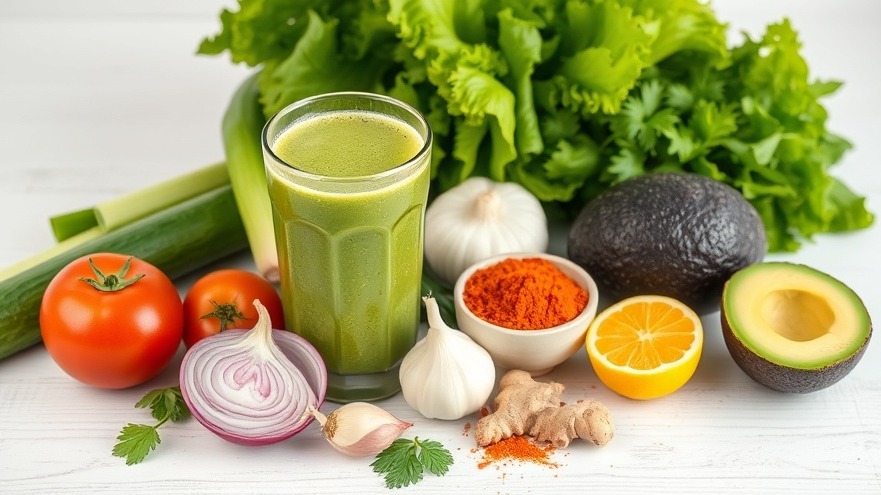
Tip 5: You really can’t beat a super healthy Green Smoothie, so we have a super energy-boosting recipe (nutrient-rich, of course!) for you here.


Recipe: Turbo Nutrient Booster

Serves 2

Turbo Nutrient Booster

Ingredients

  • 1 Tomato

  • 1/2 Cucumber

  • 1/8 Onion

  • 1/2 clove Garlic

  • 1 stalk Celery

  • 1/4 head Romaine Lettuce

  • 1/2 Avocado

  • 1/4 teaspoon Tumeric

  • 1/2 juice Lemon

  • 20 Mint leaves

  • 1 Small Handful Parsley

  • 1 teaspoon Ginger (Fresh or dried)

  • 1 pinch Chili Powder/ Cayenne Pepper

  • 1 cup Ice

Enjoy!


Source: dailymail.co.uk

Recipe: greenthickies.com

Photo: DrinkMeHealthy

Health Matters

32 Views

0 Comments

Write A Comment

*
*
Related Posts All Posts
12.12.2025

Evaluating the Side Effects of Statins: Are They Worth the Risk?

Update Understanding the Dual Nature of Statins: Benefits and Risks Statins, medications renowned for their cholesterol-lowering properties, have become a focal point in discussions surrounding heart health. As explored in the enlightening video, "The Side Effects of Statins: Are They Worth It?", the benefits of statins for patients with known cardiovascular disease are clear—these drugs play a pivotal role in preventing second heart attacks and strokes. However, when it comes to individuals without prior cardiovascular incidents, the effectiveness and necessity of statins become murkier.In "The Side Effects of Statins: Are They Worth It?", the discussion delves into the benefits and risks of statin usage, shedding light on key insights that prompt further exploration. Insight into Adverse Effects: Are We Seeing the Entire Picture? Although the video presents compelling data suggesting that treating a large population can prevent severe cardiovascular events, the adverse effects associated with statins cannot be overlooked. For every 10,000 individuals treated, side effects such as muscle pain, liver and kidney dysfunction, and even vision problems emerged. This risk-to-benefit ratio becomes especially troubling when more than just physical health is considered. It prompts a vital question: are the medical trials accurately capturing the adverse effects? The Discrepancy Between Trials and Real-World Outcomes The discussion delves into alarming discrepancies between clinical trials and real-world results. Industry-sponsored studies are frequently critiqued for underreporting adverse effects, fostering a perception that statins are far less risky than they might actually be. The video highlights a substantial gap—while clinical trials indicate a low incidence of muscle symptoms, observational studies suggest rates could be 10 to 200 times higher. This raises concerns about transparency in pharmaceutical research and the importance of including patient experiences in clinical assessments. Not Just Muscle Pain: A Broad Spectrum of Side Effects Beyond muscle symptoms, statin users frequently report fatigue—a side effect notably absent from many clinical trial discussions. The revelations from non-industry-funded studies hint at a troubling reality, where nearly 40% of women on statins reported amplified fatigue. Such data underscore the need for a holistic approach to patient-reported outcomes, fostering a more nuanced understanding of statin therapy. Cognitive Effects: Challenging Myths and Misconceptions The initial fears regarding statins and cognitive impairment appear to have softened over time, with more recent research indicating no significant link. Nonetheless, the FDA had recognized such risks in the past, reflecting the evolving nature of our understanding. This highlights the importance of continual research to ensure patients are fully informed about the medications they consume. Statins and Alzheimer’s: A Silver Lining? Intriguingly, numerous studies suggest that statins may correlate with lower risks of Alzheimer’s and other dementias. The connection remains unclear—does the cholesterol-lowering property of statins directly impact cognitive health, or is it a reflection of general health behaviors among statin users? This emphasizes a critical insight: while pharmaceuticals play a role, lifestyle choices and dietary habits are pivotal in managing chronic conditions. Dietary Interventions: A Promising Alternative Research beckons for a discussion on dietary strategies, suggesting that lifestyle intervention may beat drugs in certain settings. For instance, studies reveal significant reductions in heart disease mortality from simple dietary changes rather than relying solely on medications. This reinforces the narrative that nutritional education should be at the forefront of public health initiatives, advocating for healthier dietary practices as alternatives to invasive pharmacotherapy. Taking Charge of Your Health Decisions As patients become more informed about the nuances of statin use, it becomes imperative to take charge of one’s health decisions. The discussions derived from the video present vital information for anyone considering statins, urging open dialogues with healthcare providers about personal health goals and preferences. Conclusion: The Path Forward In summary, the debate surrounding statins is far from black and white. While they do provide crucial benefits to those at risk for cardiovascular events, the significant risk of adverse effects must be carefully weighed. Ultimately, fostering a discourse that embraces dietary changes alongside medical interventions could pave the way for more effective and personalized health strategies.

12.10.2025

Statins: Are They Effective in Heart Health and Worth the Risk?

Update Understanding Statins: Are They Worth the Hype? Statins have been a common recommendation for managing cholesterol levels and reducing cardiovascular risks. However, the conversation surrounding their effectiveness has become increasingly complex. Statins are often portrayed as lifesaving medications; yet, a deeper look reveals that their actual benefits might not align with patient expectations, leading to a critical dialogue about the ethics of informed consent in medical treatment.In How Effective Are Statins?, the discussion dives into the intricacies of statin therapy, exploring key insights that sparked deeper analysis on our end. The Mismatch Between Expectations and Reality The video titled How Effective Are Statins? addresses the disparity between the perceived benefits of statin therapy and the reality faced by patients. Many individuals anticipate substantial positive outcomes, but studies indicate that 75% may reconsider their use if presented with the truth about the modest benefits. For instance, while statins can reduce the relative risk of heart attacks significantly, the absolute risk reduction often amounts to only 1%. This deceptive nature of statistical reporting can have profound implications for patient adherence and overall public health. Patient Agency and the Right to Know One of the staunch arguments presented is about patient autonomy. Should doctors present a complete picture, even if it risks patients opting out of potentially life-saving medications? The ethical imperative to inform patients about the real benefits of statins must be balanced with the potential risk of increased mortality if fewer individuals choose treatment. This highlights a tension in the physician-patient relationship—a push and pull between paternalism and informed consent. The Case Against Statins: Are the Side Effects Worth the Risk? While statins are effective in certain populations, questions loom regarding their side effects—ranging from muscle pain to increased diabetes risk. Critics argue that these risks may counterbalance the benefits gained from such therapies. It is essential to sift through the research that indicates the conditions under which statins may be deleterious versus beneficial. Particularly, the distinction between primary prevention for previously healthy individuals and secondary prevention for those in greater danger can skew the discussion. What Patients Are Willing to Accept Surveys reveal a fascinating trend: Patient willingness to accept medication diminishes drastically when the perceived longevity benefit is below certain thresholds. Individuals are less likely to adhere to a medication regimen that offers minimal life extension, preferring to weigh the pros and cons cautiously. This emphasizes the importance of understanding personal health values and recognizing that the decision to pursue statin therapy is ultimately subjective. Understanding the Data: Primary vs. Secondary Prevention The distinction between primary and secondary prevention underscores the nuances of statin prescriptions. The available data shows a more significant potential for mortality benefit among those already affected by cardiovascular diseases as opposed to healthy individuals aiming to prevent their first heart attack. This divergence raises questions about resource allocation and how we might better educate patients on their specific risk profiles. Moving Beyond Medication: The Role of Diet and Lifestyle While medications like statins play a role in managing health, we must acknowledge the critical importance of diet. Emphasizing whole food nutrition can have a profound impact on cardiovascular health, potentially alleviating the need for long-term medication use. A balanced diet rich in fruits, vegetables, whole grains, and healthy fats can empower individuals to make informed health choices, potentially reducing dependence on medications like statins. The Broader Implications for Public Health The discussion regarding statins is emblematic of larger issues at play in healthcare—namely, how information is presented, the ethical implications of medical decisions, and the accessibility of education surrounding health. Society at large bears the consequences of these choices; understanding and addressing these dynamics is crucial for promoting better health outcomes. In summary, the journey to understanding statins extends beyond mere numerical benefits and requires a thoughtful appraisal of individual and societal health needs. Whether it be through medication, lifestyle changes, or an empowered patient-provider relationship, the pathway to better heart health is multifaceted and warrants comprehensive exploration.

12.07.2025

Why a Quick Evening Workout Routine Beats Morning Gym Sessions After 50

Update Unlocking Strength: Why Bedtime Routines Matter After 50 As we age, maintaining strength becomes crucial, especially for women over 50. The body undergoes significant changes, including muscle mass loss and decreased bone density, resulting from hormonal shifts during menopause. This makes it even more vital to adopt effective workout routines. Research indicates that evening workouts, particularly strength training, are significantly more beneficial for enhancing physical well-being than traditional morning gym sessions. Evening Workouts and Sleep: A Match Made in Health Heaven According to personal trainer Felicia Hernandez, the late hours of the day present an optimal time for strength training. Evening exercises not only enhance muscle strength but also promote better sleep quality, essential for muscle recovery. "Your nervous system operates more effectively at night, allowing for greater physical adaptation and better sleep, both essential for muscle growth and overall health," Hernandez states. A Wholesome Approach: The 5-Minute Bedtime Routine The recommended bedtime routine can be executed within five minutes and includes three core exercises: glute bridges, wall pushups, and assisted squats. These exercises target major muscle groups and establish a foundation for overall strength: Slow Tempo Glute Bridges: These strengthen your posterior chain, enhancing hip stability and reducing lower back pain. Wall Pushups: A gentle way to build chest, shoulder, and core strength without the spinal strain of floor pushups. Assisted Squats: Mimicking everyday activities, increases lower body strength critical for everyday tasks. Complementing Your Routine: Other Effective Strength Training Techniques Consultations with experts emphasize the importance of including a range of strength-training exercises, especially those that use body weight. Exercises like squats, lunges, and deadlifts can enhance muscle mass and functionality. Incorporating these techniques, along with the bedtime routine, helps maintain muscle and bone health, supports function in daily activities, and even aids in mood stabilization. Nourishment and Recovery: The Key Ingredients Evening muscle-building routines should be complemented by a balanced diet rich in protein and nutrients. Consistent intake can support recovery and muscle growth necessary for those engaging in strength training. Experts suggest enriching meals with vibrant vegetables, whole grains, and adequate hydration. Furthermore, getting enough sleep paired with these routine exercises can greatly enhance results. Empower Your Evening Routine for Stronger Tomorrow Integrating a short evening workout can transform your overall health, particularly as you age. Start by adopting a 5-minute strength training routine to realize its benefits fully. A small commitment at night paves the way for significant strength gains and improved quality of life. Be sure to listen to your body and adjust as necessary, and consult with professionals when needed. Take Action: Start Your New Bedtime Routine Adopting this simple yet profound approach to your evening routine can enhance your strength and well-being. The incorporation of evening workouts can be both easy and rewarding, yielding vital health benefits that last. Are you ready to strengthen your body and optimize your health?

Terms of Service

Privacy Policy

Core Modal Title

Sorry, no results found

You Might Find These Articles Interesting

T
Please Check Your Email
We Will Be Following Up Shortly
*
*
*