
Add Row
Add Element
cropper
update

{COMPANY_NAME}

Drink Me Healthy - logo
update
Add Element
  • Home
  • Smoothies
    • Healthy Smoothies
    • On-the-Go
    • Savory Smoothies
    • Low Calorie Smoothies
    • Weight Loss Smoothies
    • Treat Smoothies
    • Smoothies for Diabetes
    • Energy Boost
    • Reduce Belly Fat
    • Detox
  • Health & Fitness
    • Blenders & Blending
    • Community
    • Fitness
    • Health Matters
    • Immunity
    • Juicing
    • Lifestyle
    • Nutrition
Add Element
  • Drink Me Healthy on Facebook
    update
  • Drink Me Healthy on X
    update
  • update
  • update
  • update
  • update
  • Drink Me Healthy on Instagram
    update
April 08.2025
2 Minutes Read

Unmasking the Unhealthiest Canned Pastas: A Health Enthusiast’s Guide

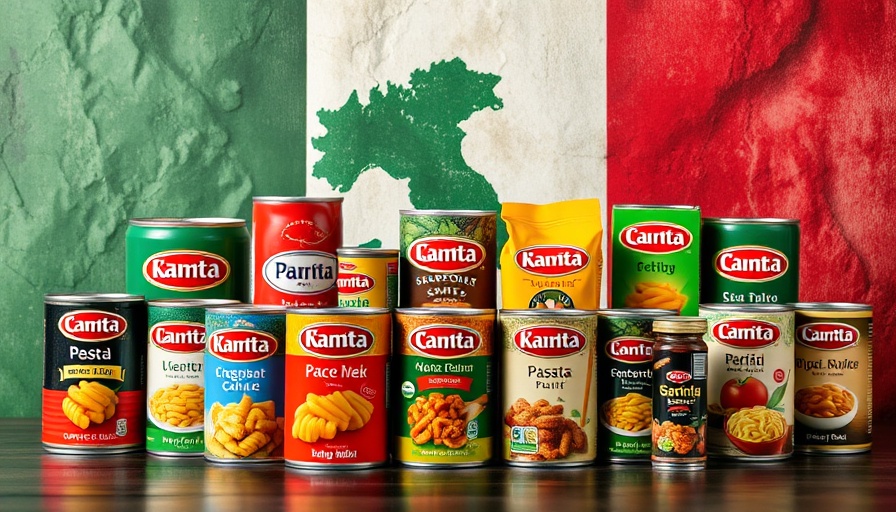
Variety of unhealthiest canned pastas on Italian-themed background.

Unveiling the Hidden Dangers of Canned Pastas for Health

In the fast-paced world we live in, the convenience of canned pasta is often hard to resist. With the simple twist of a can, you can satisfy your hunger, but many people overlook the unhealthy ingredients packed inside. The truth about certain canned pastas is alarming - they can be detrimental to your health due to high levels of sodium, sugar, and unhealthy fats.

Understanding the Red Flags: Nutrition Labels Matter

Before tossing a can of pasta into your grocery cart, it's essential to look beyond its shiny exterior and enticing flavors. Key nutrition markers can reveal a lot about what you're truly consuming:

  • Calories: The average recommended calorie intake ranges from 1,600 to 2,000, making it crucial to choose wisely.
  • Saturated Fat: Diets high in saturated fat can lead to heart problems. The American Heart Association recommends limiting intake to 13 grams per day.
  • Sodium: With health risks prompting a recommendation of no more than 2,300 mg daily, many canned pastas exceed this number significantly, sometimes reaching an average of 3,500 mg.
  • Sugar: Keep to six teaspoons for women and nine for men, yet some canned foods can easily surpass this limit.

Top Canned Pasta Dangers You Need to Avoid

With expert insights from nutritionists, some canned pastas can be labeled unhealthy for good reasons:

  • Bon Italia Spaghetti & Meatballs: At first glance, it seems decent with 10 grams of protein. However, it contains processed ingredients like textured soy protein and high fructose corn syrup, which can spike blood sugar and contribute to inflammation.
  • Kroger Spaghetti and Meatballs: This option is similar to Bon Italia, containing high levels of sodium and unhealthy fats, which can lead to long-term health issues.

Making Healthier Choices

To navigate the aisles of canned goods wisely, familiarize yourself with the nutritional content behind the label. Aim for options with lower sodium, no added sugars, and sensible ingredient lists. Your health depends on the choices you make today!

Choosing wholesome, nutrient-rich food over convenient yet unhealthy options can lead to better health outcomes. Remember, a little knowledge about reading labels can go a long way in impacting your health positively.

Nutrition

33 Views

0 Comments

Write A Comment

*
*
Related Posts All Posts
12.06.2025

Uncovering the Surprising Truth of Big Pharma and Supplements

Update The Truth Behind Your Supplements Have you ever stood in front of a store shelf filled with shiny bottles claiming to be 'natural' and 'pure'? It can feel reassuring to know we have so many options to help us stay healthy. But what if I told you that many of those supplements come from the same huge pharmaceutical companies that make prescription drugs? The reality may surprise you! Who Owns Your Vitamins? It's startling to think, but manufacturers like Pfizer and Bayer produce some of the most popular vitamin brands. For instance, Centrum is owned by Pfizer, and One A Day is a creation of Bayer, the company known for both pharmaceuticals and pesticides. These companies have cleverly expanded into what they call the 'wellness industry,' but the truth is, they are combining their laboratory prowess with a marketing strategy that might just leave you feeling misled. Why Supplements Aren't Regulated Like Drugs Unlike medications, which undergo rigorous testing for safety and effectiveness, dietary supplements are classified as food products and face minimal regulation. This means they can hit the shelves without proving that they are safe or effective. The FDA does keep an eye on the industry, but their powers are limited. If companies are caught making false claims about their products, they often pay a fine that is just a tiny fraction of their profits, making it worth the risk. For example, Bayer faced a mere $3.3 million penalty for misleading cancer-prevention claims. The Marketing Magic That Keeps Us Buying Have you noticed how attractive and inviting the marketing for supplements can be? Words like 'bioavailable' or 'clinically backed' sound impressive but can hide the fact that many additives are merely chemical compounds derived from unusual ingredients, ranging from coal tar to sheep wool grease. This dazzling marketing keeps consumers hopeful yet unaware of what they’re really putting into their bodies. Questions to Ask Before You Buy Before purchasing another bottle of 'clean' vitamins, it's essential to arm yourself with information. Ask the seller critical questions: Where is the product made? What kinds of ingredients are used? What steps do they take to ensure that the product is safe? If they can't give you clear answers, it might be time to step away from that purchase! Empowering Your Wellness Journey Understanding the link between Big Pharma and the supplement industry empowers you to make informed choices about your health. Instead of relying solely on pills, focusing on a balanced diet and natural foods offers more holistic benefits. Consider turning to whole foods rich in nutrients instead of those fancy supplements. Incorporating a variety of fruits, vegetables, and healthy fats into your smoothies can provide the vitamins and minerals you need without the risk associated with many supplements. The Bigger Picture: The Call for Reform While the supplement industry operates under much less scrutiny than pharmaceuticals, there are calls for a change. Experts argue that regulations need to adapt to protect consumers from misleading claims and potentially harmful products. This could involve stricter oversight and new guidelines that hold manufacturers accountable for the safety and efficacy of their products. In the end, staying informed is your best defense in the wellness journey. Choose wisely, and think critically about the health products you decide to trust. Ready to take control of your health? Join the conversation and explore natural solutions that support your well-being without compromising on safety or efficacy!

12.05.2025

The Hidden Risks of Seafood: Understanding Pollutants and Health Effects

Update Understanding the Hidden Dangers in Seafood When it comes to maintaining a balanced diet, many people consider seafood as a staple, often citing its rich nutrient profile filled with omega-3 fatty acids. However, adverse effects of industrial pollutants in seafood could negate its benefits. As examined in the Nutrition Facts Podcast hosted by Dr. Michael Greger, the lingering emissions of poisons, such as dioxins and PCBs, pose substantial risks to consumers. Although these pollutants are declining in various food sources, seafood remains a channel through which major contaminants flow into our diets.In Podcast: NutritionFacts Grab Bag 31, Dr. Michael Greger delves into the concerning issues surrounding food safety, pollutants in seafood, and their implications on public health, prompting us to further analyze these critical insights. Wild-Caught vs. Farmed: A Risky Dilemma In recent discussions, the seafood industry has faced scrutiny, particularly regarding the debate between wild-caught and farmed fish. Taking salmon as a prime example, studies have demonstrated that farmed salmon harbors significantly higher levels of harmful toxins compared to their wild-caught counterparts. Even moderate consumption can lead consumers to exceed the EPA’s guidelines on dioxin intake, prompting many health professionals to recommend limiting seafood consumption to just one serving a week. Labeling and Mislabeled Seafood: A Concern for Consumers Adding to the complexity of choosing safe seafood is the rampant mislabeling occurring within the industry. Investigations have reported that a staggering 43% of salmon marketed as 'wild' is actually farm-raised. This raises pressing questions about consumer safety and the integrity of the seafood market. Ensuring proper labeling can be pivotal in protecting consumers from toxic exposure. Turmeric Supplements: The Unexpected Threats Shifting focus to dietary supplements, turmeric has garnered attention for its anti-inflammatory properties. However, evidence from Dr. Greger's analysis highlights the hepatotoxic risks posed by turmeric extract supplements. While the spice itself is generally safe, extracted versions—especially those combined with piperine— can provoke liver inflammation. This reinforces the axiom that more is not always better when it comes to health supplements. The Not-So-Harmless Pawpaw: A Cautionary Tale Lastly, we turn to the pawpaw fruit, which surprisingly sits at the center of controversy due to its neurotoxicity. Although traditionally enjoyed, recent findings link frequent pawpaw consumption with a higher risk of neurodegenerative diseases. Reports have shown that this fruit family contains neurotoxins that impact brain health drastically. With symptoms resembling Parkinson's, the consumption of these fruits warrants an urgent health advisory. Preventive Measures and Future Directions As awareness spreads regarding these dietary risks, the focus shifts toward public health recommendations. Consumers are urged to opt for whole foods whenever possible, favoring culinary spices over concentrated extracts, supporting rigorous labeling practices, and remaining informed about the potential dangers lurking within seemingly benign health supplements and snacks. Such diligence is not simply a measure of caution but rather a pivotal stance that can dictate one’s nutrition health over time. With the food landscape continuously evolving, it's crucial to be educated about what we consume to steer clear of unexpected health setbacks. For those invested in improving their dietary knowledge, the Nutrition Facts Podcast offers valuable insights to keep you updated on nutritional sciences. And as we strive for a healthier society, remember that making informed choices can transform our collective health outcomes.

12.05.2025

Maximize Nutrition: The Cooking Styles That Change Your Food's Value

Update How Cooking Style Influences Nutrition in Unexpected WaysWhen it comes to healthy eating, many of us juggle ingredients and strive for balanced meals rich in fruits and vegetables. Yet, the unsung hero of nutrition might be the cooking methods we use. Just as important as the ingredients themselves, the way we prepare food can significantly influence nutrient retention and overall health. Here, we delve into how different cooking techniques affect the nutritional quality of your meals.The Nutritional Value of Peeling Fruits and VegetablesThink twice before peeling apples or cucumbers. While the peel may not be the most appetizing part of these fruits and vegetables, it often harbors essential fiber, antioxidants, and vitamins. In fact, research suggests that leaving the skin on can significantly enhance the nutrient profile of your meals. Not only does it preserve its natural goodness, but it also aids digestion and can help manage blood sugar levels.Why Chopping MattersThe act of chopping isn’t just about aesthetics—it can also affect how our bodies absorb nutrients. For instance, slicing onions or garlic activates enzymes that release beneficial compounds. However, the timing of when you chop is crucial; doing so too far in advance can result in nutrient loss. To maximize beneficial compounds, it’s better to chop closer to when you plan to cook or eat.Cooking: A Double-Edged SwordCooking can both enhance and diminish nutrients. For example, heating tomatoes boosts the availability of lycopene, a powerful antioxidant. Conversely, overcooking can degrade heat-sensitive vitamins such as vitamin C. Gentle cooking methods like steaming, roasting, or sautéing are generally better at preserving essential nutrients.The Great Debate: Blending vs. JuicingWhile both blending and juicing have their enthusiasts, they yield very different nutritional outcomes. Blending keeps the whole food intact, which preserves fiber and slows sugar absorption. On the other hand, juicing removes fiber, leading to quicker spikes in blood sugar levels. If you’re looking for an energy boost without the crash, consider blending over juicing.The Impact of Cooking Methods on Nutrient DensityLastly, it’s essential to consider not only the ingredients you use but also how you cook them. Cooking methods can turn a nutrient-dense dish into a calorie-laden one, especially when using heavy sauces or frying. Simple adjustments—like opting for olive oil over butter or utilizing herbs instead of excess salt—can make a significant difference in achieving balanced meals without sacrificing flavor or nutrition.Simple Steps to Maximize Nutritional ContentEmbracing nutrient-dense cooking doesn’t require a complete overhaul of your kitchen practices. Small changes can lead to significant improvements:Leave skin on where possible to retain nutrients.Cut fruits and vegetables closer to mealtime.Opt for gentle cooking methods.Be mindful of high-fat and high-sodium ingredients.As you experiment with these tips, you may find that healthier eating habits become second nature, particularly amidst busy lifestyles.Healthy eating is not just about what you eat—it's also about how you prepare your meals. The cooking techniques you choose can significantly enhance or diminish the nutritional value of your food. By understanding the effects of different cooking methods and making small adjustments, you can optimize your meals for better health and wellness.

Terms of Service

Privacy Policy

Core Modal Title

Sorry, no results found

You Might Find These Articles Interesting

T
Please Check Your Email
We Will Be Following Up Shortly
*
*
*