Add Row
Add Element
cropper
update

{COMPANY_NAME}

Drink Me Healthy - logo
update
Add Element
  • Home
  • Smoothies
    • Healthy Smoothies
    • On-the-Go
    • Savory Smoothies
    • Low Calorie Smoothies
    • Weight Loss Smoothies
    • Treat Smoothies
    • Smoothies for Diabetes
    • Energy Boost
    • Reduce Belly Fat
    • Detox
  • Health & Fitness
    • Blenders & Blending
    • Community
    • Fitness
    • Health Matters
    • Immunity
    • Juicing
    • Lifestyle
    • Nutrition
Add Element
  • Drink Me Healthy on Facebook
    update
  • Drink Me Healthy on X
    update
  • update
  • update
  • update
  • update
  • Drink Me Healthy on Instagram
    update
August 02.2025
3 Minutes Read

Understanding the Celsius and High Noon Recall: A Must-Know for Health Enthusiasts

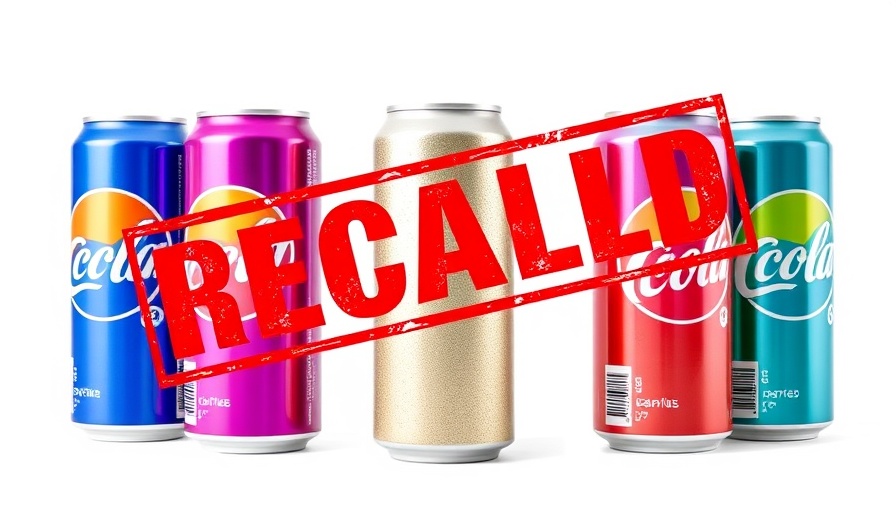
Celsius and High Noon recall notice on beverage cans

Unexpected Recall: What Happened with Celsius and High Noon?

In a puzzling turn of events, Celsius and High Noon have found themselves at the center of a nationwide recall event due to a remarkable mix-up in packaging. This incident raises important questions about food safety and consumer awareness.

What Led to the Recall?

The problem began at a packaging facility, where some cans of High Noon's popular Vodka Seltzer were mistakenly filled with a different liquid. To the unsuspecting consumer, the cans appeared to be the beloved Celsius Astro Vibe energy drink but were, in reality, filled with vodka seltzer instead. This mix-up means that consumers might unintentionally ingest alcohol when they thought they were consuming a non-alcoholic energy drink.

The Impact on Consumers

This recall primarily affects packs of High Noon Beach Variety 12-packs shipped to distributors across several states, including Florida, Michigan, New York, Ohio, Oklahoma, South Carolina, Virginia, and Wisconsin. Thankfully, the Food and Drug Administration (FDA) has reported that no illnesses or adverse events have been documented due to this mix-up. However, consumers need to check their purchases meticulously to ensure their drinks contain the correct beverages.

A Unique Consumer Experience

Imagine opening what you assume is an energy drink only to find a can of alcohol! Many social media users have humorously commented about this frustrating yet amusing situation. One Reddit user quipped, “No wonder I was so productive at work yesterday,” joking about the unexpected impact of the alcohol. Yet, the recall serves as a safety caution for families, particularly safeguarding younger individuals who may unknowingly consume alcohol.

The Importance of Safety Awareness

While this incident may seem light-hearted, it’s a potent reminder of the everyday realities of product recalls. Health enthusiasts and consumers should remain vigilant and educated on product origins and safety measures. Knowing lot codes on packaging can be crucial. High Noon has advised customers to report any impacted packs for a refund, which showcases the company’s responsibility to its consumers.

Broader Implications in the Market

This incident also underscores a wider trend in the food and drink industry, where the blending of different product lines can lead to complications. Consumers tend to prefer brands that operate transparently and prioritize safety. This recall can prompt health enthusiasts to consider the importance of not only the nutritional content of what we consume but also the integrity of the brands we support.

What You Can Do

As consumers, staying informed is key. Always check product labels and packaging closely. If you have purchased any High Noon Beach Variety packs within the specified lot codes indicated by the company, don't hesitate to reach out for a refund. Furthermore, keep an eye on any updates from the FDA regarding consumer safety.

Finally, Embrace the Community

In times of such unique incidents, it’s vital to lean into community engagement. Sharing experiences and information can help others avoid confusion and uphold health standards. In addition, engaging with brands on social platforms can facilitate conversations about product safety and keep companies accountable.

While the amusing memes and jokes surrounding this recall may lighten the mood, the underlying message about safety remains serious. Taking the initiative to educate ourselves and others will serve us better in the long run.

For more wellness insights and actionable health tips, consider making it a point to engage more deeply with your local health networks, brands, and advocacy groups. Whether it's about energy drinks, nutrition, or simply leading a healthier lifestyle, every little bit helps!

Health Matters

29 Views

0 Comments

Write A Comment

*
*
Related Posts All Posts
01.03.2026

Exploring Mosquito Repellents: Is DEET the Best Option for You?

Update Why Mosquito Repellents Matter: Understanding Public Health Mosquitoes rank among the most formidable challenges to public health worldwide, implicated in the spread of diseases such as malaria, dengue fever, and Zika virus. With an estimated 700 million people infected with mosquito-borne illnesses each year, understanding effective mosquito repellents, along with their advantages and disadvantages, has never been more crucial.In 'Friday Favorites: Repelling Mosquitoes - Is DEET the Best? What About Natural Alternatives?', the video delves into the effectiveness of various mosquito repellents, prompting a deeper analysis on the necessity of understanding these products for public health. DEET: The Controversial Standard DEET (N,N-Diethyl-meta-toluamide) has long been the gold standard for mosquito repellents due to its proven efficacy. However, many consumers grapple with its reported side effects, ranging from skin irritations to concerns over neurotoxicity. Despite these fears, DEET remains widely recommended by health professionals, particularly when protecting vulnerable populations from infectious diseases. Exploring Alternatives: Picaridin and Natural Solutions Picaridin is marketed as an effective DEET alternative. Unlike DEET, picaridin doesn't have an offensive odor and is less likely to irritate the skin. It has been shown to offer comparable protection against mosquitoes but often at a higher price point. Concurrently, there's a growing interest in natural repellents such as citronella and lemon eucalyptus oil, where users seek the purported benefits without the chemicals. The Science of Efficacy: What Research Says Numerous studies have evaluated the effectiveness of both artificial and natural repellents. Research indicates that while DEET and picaridin consistently outperform natural alternatives in duration and potency, the latter two options might benefit casual outdoor enthusiasts or those on a budget. For instance, citronella may deter mosquitoes for brief periods, but it requires frequent reapplication, complicating its practicality for prolonged use. Beyond the Repellent: Dietary Strategies for Mosquito Management The medical community is also investigating dietary choices as potential mosquito countermeasures. Although studies exploring whether garlic, bananas, or B-vitamins can ward off these pests are mixed, public interest persists. The anecdotal belief that eating garlic can repel mosquitoes underscores the importance of diversified strategies that blend topical repellents with smart dietary choices. Practical Tips for Choosing Effective Repellents When selecting a mosquito repellent, it’s essential to consider personal health, environmental factors, and the duration of exposure to mosquito-heavy areas. Here are some recommendations: Read labels carefully: Identify active ingredients and their concentrations to ensure you are choosing an effective product. Consider application frequency: Understand how long the repellent lasts and when you’ll need to reapply it, especially if you’re using natural solutions. Pair with protective clothing: Wearing long-sleeve shirts and pants can enhance the effectiveness of any repellent applied. Concluding Thoughts: Choosing Wisely for a Healthier Future As we navigate the diverse landscape of mosquito repellents, weighing DEET against natural alternatives is vital to informed choices. With proper knowledge, one can effectively protect themselves from the dangers posed by these pests without sacrificing health or comfort. You can explore this topic further and dive into the science of repellents to empower your decisions this summer.

12.31.2025

Are Cold Plunges Just a Placebo Effect? Exploring the Science Behind Recovery

Update The Allure of Cold Plunges: Science vs. Sizzle In recent years, cold plunges and cryotherapy have gained popularity as recovery methods in the athletic community. Cold water immersion is touted as a magical remedy for muscle soreness and improved athletic performance. However, a closer examination reveals a more complex picture. In the video Are the Benefits of Cold Plunges and Cryotherapy Just a Placebo Effect?, Dr. Michael Greger scrutinizes the scientific foundation for these claims, uncovering insights from five placebo-controlled studies that question the validity of these treatments.In the video Are the Benefits of Cold Plunges and Cryotherapy Just a Placebo Effect?, Dr. Greger analyzes key insights about cold water immersion and its supposed benefits, prompting a deeper investigation on our end. The Strength of Belief: Understanding the Placebo Effect At the heart of the debate lies the powerful placebo effect, a phenomenon where the belief in a treatment’s efficacy can bring about real changes in a person’s condition. Athletes often report feeling better after cold immersion, but this could stem from psychological factors rather than physiological benefits. Dr. Greger points out that none of the studies demonstrated a significant performance boost from cold plunges over ineffective placebo treatments such as corn starch pills masquerading as supplements. Performance Bias: The Illusion of Recovery These findings reveal a stark truth: while the cold plunge trend booms, genuine recovery may be an illusion fostered by consumer belief rather than scientific integrity. The notion that a mere icy bath can replace sound training and nutrition protocols is a dangerous misconception. As Dr. Greger argues, without empirical support, the potential harms of such practices might outweigh the perceived benefits. Counterarguments: Can Cold Therapy Ever Have Benefits? Despite the lack of supportive evidence, proponents of cold therapy argue that its anti-inflammatory properties and ability to numb pain are undeniable. Yet, how sustainable are these benefits? Critics caution that over-reliance on such methods may hinder athletes from experiencing the natural recovery process their bodies require. Health Risks: The Dark Side of Cold Water Immersion As underscored in the video's follow-up—The Negative Effects of Cold Plunges for Building Muscle—the practice might not only be ineffective but also detrimental. Consistent exposure to cold after workouts could block hypertrophy and muscle recovery, offering yet another reason to think critically about its application in training regimens. Rethinking Recovery: Alternative Approaches to Consider For those seeking effective recovery solutions, holistic methods such as active recovery and proper nutrition offer concrete benefits without the pitfalls associated with cold exposure. Incorporating a balanced diet rich in anti-inflammatory foods can naturally enhance recovery times and athletic performance without resorting to questionable practices. The Role of Education in Health Choices As we navigate these complex topics, accessible nutrition education can empower individuals to make informed choices regarding their recovery techniques. Engaging with research-backed information promotes healthier lifestyles and encourages critical thinking about popular health trends. Final Thoughts and Moving Forward Ultimately, while cold plunges may appear to offer a quick fix for recovery, the evidence suggests otherwise. Emphasizing the importance of dietary choices and traditional recovery methods can pave the way towards more sustainable health practices. As the discourse around nutrition and recovery evolves, staying informed is paramount in making smart choices about our well-being. For those interested in digging deeper into this subject—and receiving a free gift when subscribing—explore more at NutritionFacts.org. Let’s continue the conversation about science-backed nutrition!

12.29.2025

Mastering Winter Wellness: 5 Essential Steps to Prevent Vitamin D Deficiency

Update Understanding the Importance of Vitamin D Vitamin D, often referred to as the "sunshine vitamin," plays a crucial role in maintaining our overall health, particularly during the colder months when sunlight is scarce. Not only is it essential for calcium absorption, which promotes strong bones, but it also supports the immune system and helps regulate mood. With vitamin D deficiency affecting approximately 37% of adults worldwide, understanding how to effectively procure this nutrient becomes vital, especially during winter. Simple Dietary Adjustments to Boost Your Vitamin D Levels For health-conscious individuals, including parents and working professionals, incorporating vitamin D-rich foods into daily meals can significantly impact health. Fatty fish such as salmon, trout, and sardines are prime sources of vitamin D, with servings providing between 400 to 1,360 IU. Egg yolks and fortified foods like milk, orange juice, and cereals are also effective at supplementing this essential vitamin. By making these simple additions to your diet, you can easily achieve the recommended daily allowance of vitamin D. Supplementing Your Vitamin D Intake If dietary adjustments prove challenging, vitamin D supplements can be a practical solution. However, it is crucial to consult your healthcare provider before starting any supplement regimen, as individual needs may vary based on age, weight, and health conditions. Proper dosages are essential, particularly because excessive vitamin D can lead to toxicity. Embrace the Outdoors, Even in Winter While the tempting comfort of staying indoors might often win out, spending even a little time outside can help combat vitamin D deficiency. Engaging in winter activities like hiking, building a snowman, or simply enjoying a brisk walk can provide essential sunlight exposure. Just 20 to 30 minutes outdoors a few times a week can help your body synthesize enough vitamin D to meet daily needs. Take Charge of Your Health This Winter Winter doesn't have to mean sacrificing your health. By understanding the importance of vitamin D and taking proactive steps to ensure you're getting enough, you can feel energized and healthy throughout the cold months. Adjusting your diet to include vitamin D-rich foods, spending time outdoors, and considering supplementation when necessary will set you up for wellness. It is vital for everyone, particularly fitness enthusiasts and busy parents, to be mindful of their vitamin D intake. As we learn how to navigate winter health challenges, let's commit to enhancing our diets and exploring new ways to maintain our well-being during these colder months.

Image Gallery Grid

Terms of Service

Privacy Policy

Core Modal Title

Sorry, no results found

You Might Find These Articles Interesting

T
Please Check Your Email
We Will Be Following Up Shortly
*
*
*