Add Row
Add Element
cropper
update

{COMPANY_NAME}

Drink Me Healthy - logo
update
Add Element
  • Home
  • Smoothies
    • Healthy Smoothies
    • On-the-Go
    • Savory Smoothies
    • Low Calorie Smoothies
    • Weight Loss Smoothies
    • Treat Smoothies
    • Smoothies for Diabetes
    • Energy Boost
    • Reduce Belly Fat
    • Detox
  • Health & Fitness
    • Blenders & Blending
    • Community
    • Fitness
    • Health Matters
    • Immunity
    • Juicing
    • Lifestyle
    • Nutrition
Add Element
  • Drink Me Healthy on Facebook
    update
  • Drink Me Healthy on X
    update
  • update
  • update
  • update
  • update
  • Drink Me Healthy on Instagram
    update
October 25.2025
3 Minutes Read

Transform Your Thanksgiving with 21 High Protein Soup Ideas

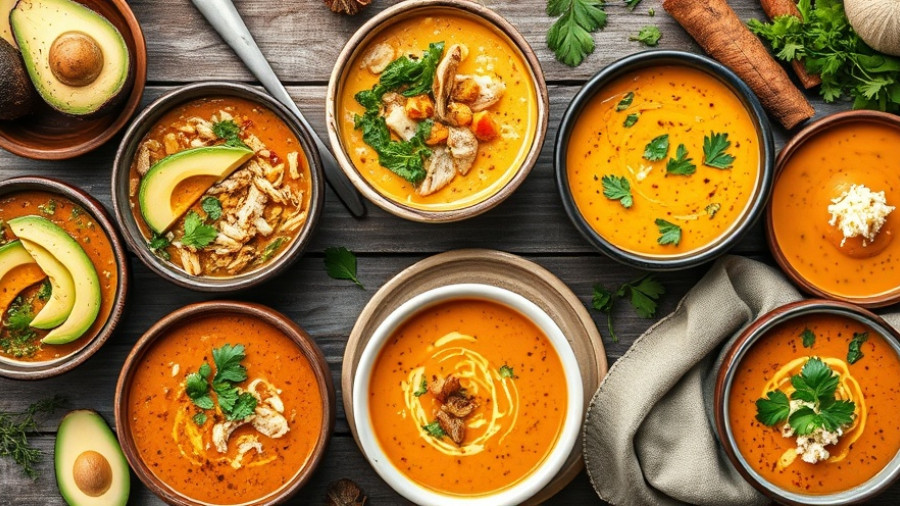
Assorted high protein Thanksgiving soup recipes in bowls.

Discover the Comfort of High-Protein Thanksgiving Soups

As the temperatures drop, the warmth of a hearty soup becomes a staple in kitchens across the nation. This Thanksgiving season, why not make the most of your meals by packing them with protein? Not only does protein help to satiate hunger, but it can also support your health goals, making it a winning choice for holiday dining. Here, we will explore an array of high-protein soup recipes that will delight your taste buds and keep you feeling full.

Why Protein Matters

Incorporating high-protein meals into your diet offers various health benefits. These meals can keep you satisfied longer, which could aid in weight management. According to research, a high-protein diet can curtail levels of the hunger hormone ghrelin, meaning you'll likely feel less hungry and more energetic.

For those focused on healthy eating, turning to nutrient-packed soups provides an excellent solution. Soups filled with protein and fibers ensure you can enjoy delicious comfort food while working towards your health goals.

Top High-Protein Soups for Thanksgiving

This holiday season, elevate your Thanksgiving menu with a variety of mouthwatering, protein-rich soups. Below are some standout recipes that not only impress but also provide nourishment:

1. Cheeseburger Soup

If you find yourself craving a burger in soup form, this richly satisfying recipe is your answer. With ground beef, crispy bacon, and cheddar, each bowl packs a protein punch of 41 grams.

2. Creamy Crack Chicken Soup

This indulgent option combines chicken, bacon, and cream cheese for an irresistible taste experience. With 20 grams of protein per serving, it's sure to become a new Thanksgiving favorite.

3. Keto Lasagna Soup

Did someone say lasagna? With flavors reminiscent of this Italian classic, enjoy a healthier twist with 26 grams of protein and just 11 grams of net carbs per serving. It's the comfort of lasagna made easy.

4. Chicken Mushroom Soup

For a deeply satisfying bowl, this chicken mushroom soup boasts an impressive 55 grams of protein. The combination of tender chicken and earthy mushrooms creates a beautifully rich flavor profile.

5. Chicken Fajita Soup

Celebrate the bold tastes of fajitas blended into a hearty soup. With 40 grams of protein, it's a festive addition that captures the essence of Thanksgiving while catering to your health goals.

Understanding Your Nutritional Needs

For many who struggle with maintaining a balanced diet, these hearty soups offer an easy way to incorporate protein without sacrificing flavor. They also provide essential nutrients, giving you the satisfaction you crave during the colder months.

Every recipe listed captures that comforting feel, but doesn’t skimp on nutritional benefits. As opposed to traditional holiday fare that might leave you feeling sluggish, these soups invigorate and empower your wellness journey.

A Satisfying Conclusion

As you prepare for the Thanksgiving festivities, consider these high-protein soups as not only a way to enjoy comforting flavors but also as a means to promote health and satisfaction. Each bowl can fit seamlessly into your family’s holiday celebrations without the guilt.

Try these recipes this season, and reap the health benefits while enjoying quality time with loved ones during this special moment of gratitude.

Take Action for Your Health

Start your journey towards healthier eating this Thanksgiving by whipping up one of these high-protein soup recipes. You’ll be able to host a nutritious meal without losing the magic of the holiday feast!

Nutrition

22 Views

0 Comments

Write A Comment

*
*
Related Posts All Posts
12.05.2025

The Hidden Risks of Seafood: Understanding Pollutants and Health Effects

Update Understanding the Hidden Dangers in Seafood When it comes to maintaining a balanced diet, many people consider seafood as a staple, often citing its rich nutrient profile filled with omega-3 fatty acids. However, adverse effects of industrial pollutants in seafood could negate its benefits. As examined in the Nutrition Facts Podcast hosted by Dr. Michael Greger, the lingering emissions of poisons, such as dioxins and PCBs, pose substantial risks to consumers. Although these pollutants are declining in various food sources, seafood remains a channel through which major contaminants flow into our diets.In Podcast: NutritionFacts Grab Bag 31, Dr. Michael Greger delves into the concerning issues surrounding food safety, pollutants in seafood, and their implications on public health, prompting us to further analyze these critical insights. Wild-Caught vs. Farmed: A Risky Dilemma In recent discussions, the seafood industry has faced scrutiny, particularly regarding the debate between wild-caught and farmed fish. Taking salmon as a prime example, studies have demonstrated that farmed salmon harbors significantly higher levels of harmful toxins compared to their wild-caught counterparts. Even moderate consumption can lead consumers to exceed the EPA’s guidelines on dioxin intake, prompting many health professionals to recommend limiting seafood consumption to just one serving a week. Labeling and Mislabeled Seafood: A Concern for Consumers Adding to the complexity of choosing safe seafood is the rampant mislabeling occurring within the industry. Investigations have reported that a staggering 43% of salmon marketed as 'wild' is actually farm-raised. This raises pressing questions about consumer safety and the integrity of the seafood market. Ensuring proper labeling can be pivotal in protecting consumers from toxic exposure. Turmeric Supplements: The Unexpected Threats Shifting focus to dietary supplements, turmeric has garnered attention for its anti-inflammatory properties. However, evidence from Dr. Greger's analysis highlights the hepatotoxic risks posed by turmeric extract supplements. While the spice itself is generally safe, extracted versions—especially those combined with piperine— can provoke liver inflammation. This reinforces the axiom that more is not always better when it comes to health supplements. The Not-So-Harmless Pawpaw: A Cautionary Tale Lastly, we turn to the pawpaw fruit, which surprisingly sits at the center of controversy due to its neurotoxicity. Although traditionally enjoyed, recent findings link frequent pawpaw consumption with a higher risk of neurodegenerative diseases. Reports have shown that this fruit family contains neurotoxins that impact brain health drastically. With symptoms resembling Parkinson's, the consumption of these fruits warrants an urgent health advisory. Preventive Measures and Future Directions As awareness spreads regarding these dietary risks, the focus shifts toward public health recommendations. Consumers are urged to opt for whole foods whenever possible, favoring culinary spices over concentrated extracts, supporting rigorous labeling practices, and remaining informed about the potential dangers lurking within seemingly benign health supplements and snacks. Such diligence is not simply a measure of caution but rather a pivotal stance that can dictate one’s nutrition health over time. With the food landscape continuously evolving, it's crucial to be educated about what we consume to steer clear of unexpected health setbacks. For those invested in improving their dietary knowledge, the Nutrition Facts Podcast offers valuable insights to keep you updated on nutritional sciences. And as we strive for a healthier society, remember that making informed choices can transform our collective health outcomes.

12.05.2025

Maximize Nutrition: The Cooking Styles That Change Your Food's Value

Update How Cooking Style Influences Nutrition in Unexpected WaysWhen it comes to healthy eating, many of us juggle ingredients and strive for balanced meals rich in fruits and vegetables. Yet, the unsung hero of nutrition might be the cooking methods we use. Just as important as the ingredients themselves, the way we prepare food can significantly influence nutrient retention and overall health. Here, we delve into how different cooking techniques affect the nutritional quality of your meals.The Nutritional Value of Peeling Fruits and VegetablesThink twice before peeling apples or cucumbers. While the peel may not be the most appetizing part of these fruits and vegetables, it often harbors essential fiber, antioxidants, and vitamins. In fact, research suggests that leaving the skin on can significantly enhance the nutrient profile of your meals. Not only does it preserve its natural goodness, but it also aids digestion and can help manage blood sugar levels.Why Chopping MattersThe act of chopping isn’t just about aesthetics—it can also affect how our bodies absorb nutrients. For instance, slicing onions or garlic activates enzymes that release beneficial compounds. However, the timing of when you chop is crucial; doing so too far in advance can result in nutrient loss. To maximize beneficial compounds, it’s better to chop closer to when you plan to cook or eat.Cooking: A Double-Edged SwordCooking can both enhance and diminish nutrients. For example, heating tomatoes boosts the availability of lycopene, a powerful antioxidant. Conversely, overcooking can degrade heat-sensitive vitamins such as vitamin C. Gentle cooking methods like steaming, roasting, or sautéing are generally better at preserving essential nutrients.The Great Debate: Blending vs. JuicingWhile both blending and juicing have their enthusiasts, they yield very different nutritional outcomes. Blending keeps the whole food intact, which preserves fiber and slows sugar absorption. On the other hand, juicing removes fiber, leading to quicker spikes in blood sugar levels. If you’re looking for an energy boost without the crash, consider blending over juicing.The Impact of Cooking Methods on Nutrient DensityLastly, it’s essential to consider not only the ingredients you use but also how you cook them. Cooking methods can turn a nutrient-dense dish into a calorie-laden one, especially when using heavy sauces or frying. Simple adjustments—like opting for olive oil over butter or utilizing herbs instead of excess salt—can make a significant difference in achieving balanced meals without sacrificing flavor or nutrition.Simple Steps to Maximize Nutritional ContentEmbracing nutrient-dense cooking doesn’t require a complete overhaul of your kitchen practices. Small changes can lead to significant improvements:Leave skin on where possible to retain nutrients.Cut fruits and vegetables closer to mealtime.Opt for gentle cooking methods.Be mindful of high-fat and high-sodium ingredients.As you experiment with these tips, you may find that healthier eating habits become second nature, particularly amidst busy lifestyles.Healthy eating is not just about what you eat—it's also about how you prepare your meals. The cooking techniques you choose can significantly enhance or diminish the nutritional value of your food. By understanding the effects of different cooking methods and making small adjustments, you can optimize your meals for better health and wellness.

12.04.2025

Why Isn't Everyone on Cholesterol-Lowering Statin Drugs? Discover the Complex Answers

Update Understanding Cholesterol: The Role of LDL in Heart Disease Low-Density Lipoprotein (LDL), commonly referred to as "bad cholesterol," serves as a crucial marker in determining cardiovascular health risks. According to medical experts, high levels of LDL cholesterol significantly contribute to the development of atherosclerotic cardiovascular disease (ASCVD), the leading cause of death globally. The alarming reality is that optimal LDL levels have shifted over the decades, with medical guidelines advocating for increasingly lower targets based on extensive clinical trials that support the premise that lower levels correspond to reduced cardiovascular risks.In 'Why Isn't Everyone on Cholesterol-Lowering Statin Drugs?', the discussion dives into the multifaceted world of LDL cholesterol and its critical implications on heart disease, prompting us to analyze its impact and alternative strategies for cholesterol management. Shifting Guidelines: Deciphering the New Thresholds Initially, guidelines cresting back to the 1980s set a target LDL level of 130 mg/dL, which has progressively decreased to current recommendations suggesting thresholds as low as 30 mg/dL for those at elevated risk. This rising standard is substantiated by research demonstrating a consistent relationship between lower LDL and minimized risk of heart-related events. This insight urges a reconsideration of health standards, as many in the Western world currently exhibit average LDL levels around 120 mg/dL—a statistic that fuels the ongoing plight of cardiovascular sickness. Debating the Prescription: Why Aren't Statins Universal? While it seems logical to universally prescribe statins to lower LDL, the reality is more complex. Considered effective for a percentage of the population, statins come with a set of potential side effects and the need for lifelong adherence that may not be necessary for all individuals. Medical recommendations predominantly favor those at high risk for heart events, where the benefits decidedly outweigh the potential downsides of medication. Empowering Choices: Healthy Alternatives to Lower LDL Beyond pharmaceutical interventions, maintaining a heart-healthy lifestyle bolstered by diet can effectively combat high cholesterol levels. Embracing nutritional strategies focused on specific types of foods—rich in fibers such as oats and legumes, healthy oils, and omega-3 fatty acids—can offer side-effect-free solutions in synergy with pharmacological treatments. Such dietary adjustments hold promise for both those on statins and those preferring a natural approach to cholesterol management. The Decision-Making Process: Statins, Risks, and Rewards Determining the necessity of statins includes navigating a complex landscape of individual health factors. Recent guidelines from the American Heart Association suggest that individuals diagnosed with heart disease or facing substantial risk should consider statins—yet mere LDL level indicators don’t delineate everyone's treatment journey. The threshold of concern typically starts at an LDL of 190 mg/dL, prompting immediate prescription. For others, evaluating one’s 10-year risk through personalized risk calculators, like the user-friendly u-prevent.com, can better inform the decision of whether statin treatment aligns with personal health goals. A Personalized Approach: Your Health, Your Choice The crux of the conversation surrounding LDL and statin use hinges on the autonomy of the individual. Physicians provide guidelines, but the ultimate decision rests on informed consent and personal values. Patients should engage in conversations surrounding the expected benefits, possible side effects, and lifestyle changes. This inclusivity in the decision-making process empowers patients contributing to smarter health choices, tailored to unique circumstances. Take Control of Your Heart Health As we explore the critical issue of cholesterol and statins further, it becomes essential to identify balanced strategies that promote heart wellness. Proactively manage your health by making informed choices concerning your cholesterol. A heart-healthy lifestyle incorporating nutrition, regular exercise, and mindful living isn’t just beneficial; it’s a requisite in this journey toward improved health.

Terms of Service

Privacy Policy

Core Modal Title

Sorry, no results found

You Might Find These Articles Interesting

T
Please Check Your Email
We Will Be Following Up Shortly
*
*
*