cropper
update

{COMPANY_NAME}

Drink Me Healthy - logo
update
  • Home
  • Smoothies
    • Healthy Smoothies
    • On-the-Go
    • Savory Smoothies
    • Low Calorie Smoothies
    • Weight Loss Smoothies
    • Treat Smoothies
    • Smoothies for Diabetes
    • Energy Boost
    • Reduce Belly Fat
    • Detox
  • Health & Fitness
    • Blenders & Blending
    • Community
    • Fitness
    • Health Matters
    • Immunity
    • Juicing
    • Lifestyle
    • Nutrition
  • Drink Me Healthy on Facebook
    update
  • Drink Me Healthy on X
    update
  • update
  • update
  • update
  • update
  • Drink Me Healthy on Instagram
    update
June 09.2025
3 Minutes Read

Transform Your Cooking Experience with These Exciting Low-Carb Recipes

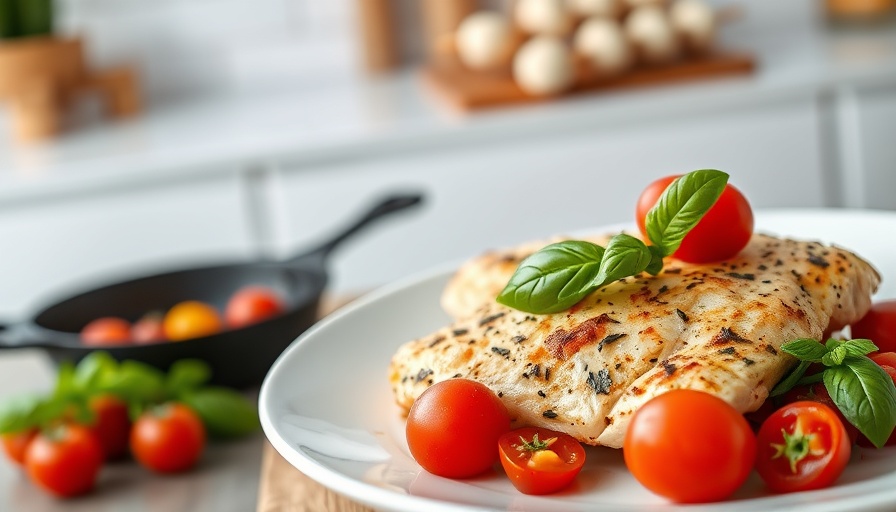
Low-carb chicken with tomatoes and basil on a white plate.

Rediscover the Joy of Cooking with Low-Carb Dishes

Many people find themselves unmotivated in the kitchen, particularly when trying to maintain a low-carb diet. The repetitive nature of traditional meal prep can make cooking feel like a chore instead of an enjoyable activity. However, a new wave of low-carb recipes is transforming kitchen experiences, turning mundane meals into culinary adventures. Here are several low-carb recipes that not only align with your dietary goals but also rekindle the excitement in cooking.

Cauliflower Rice: A Perfect Base for Your Meal

Swapping out high-carb staples like rice doesn't mean sacrificing flavor or fullness. Cauliflower Rice emerges as a fantastic alternative, providing substance without overwhelming your diet. With just a few simple steps, you can easily prepare cauliflower rice to accompany your favorite dishes.

This versatile ingredient can be spiced up with herbs and served alongside proteins or veggies, allowing for endless combinations that keep your palate satisfied and excitement in the kitchen alive.

Breakfast Reimagined: Asparagus Fathead Quiche

Are low-carb breakfasts leaving you uninspired? Enter the Asparagus Fathead Quiche. This dish not only satisfies your morning hunger; it's also incredibly easy to prepare and reheat, making your mornings breezy rather than burdensome. The incorporation of asparagus adds a fresh flair to this delightful quiche, breaking away from the boring crowd typically associated with breakfast fare.

Low Carb Meatloaf: Comfort Food Redefined

There's something undeniably comforting about a home-cooked meatloaf, and the Low Carb Meatloaf with Cheese and Leeks fits the bill perfectly. With its familiar taste and satisfying texture, this dish proves that sticking to a low-carb diet need not compromise on comfort or flavor. This reliable recipe can quickly become a weeknight staple, delighting your family and reigniting your love for meal prep.

Innovative Sides: Brussels Sprouts Cups

Ready for a fun and unique side? Brussels Sprouts Cups take the ordinary sprout and elevate it to perfection. Easy to prepare and portion, these bite-sized delights add crunch to your meals and pair well with meats, or can be enjoyed solo with a dip. This innovative twist on veggies can help rekindle your excitement to cook, adding an element of fun to your plate.

Pasta Night without the Guilt: Asparagus Pasta Tagliatelle

Missing pasta while on a low-carb regimen? The Asparagus Pasta Tagliatelle is here to rescue your cravings! This recipe offers a staple dining experience without the heaviness of traditional noodles. Made with asparagus, it infuses freshness into your meal and is excellent with various sauces or proteins, allowing you to enjoy a pasta night that aligns with your health goals.

Meal Planning Made Easy: Baked Sausage and Sauerkraut

In search of quick meal solutions? The Baked Sausage and Sauerkraut dish is a one-pan wonder that can bring joy back into your cooking routine. Combining delicious flavors and easy prep, it's perfect for busy weeknights. Just pop it in the oven and enjoy a hearty meal that feels indulgent yet is very much within your low-carb guidelines.

Why These Dishes Matter

For those focused on weight loss and maintaining energy levels, embracing enjoyable low-carb cooking can significantly influence your overall attitude towards healthy living. Incorporating variety and excitement into your meals not only contributes to better dietary adherence but fosters a positive relationship with food. Cooking doesn’t have to be drudgery; rather, it can be a fulfilling expression of care for oneself.

Conclusion: Start Cooking With Purpose

As you explore these innovative recipes, recognize the transformative power they hold. They can revitalize not only your cooking practices but also your relationship with food. Reconnect with the joy of cooking and discover new flavor combinations that support your health goals. Try these recipes and experience firsthand the difference a little creativity can make.

Ready to reignite your cooking passion? Dive into these recipes and transform your meal prep into an exciting culinary journey today!

Nutrition

65 Views

0 Comments

Write A Comment

*
*
Please complete the captcha to submit your comment.
Related Posts All Posts
05.19.2026

How Eating One Orange Daily Can Lower Hip Fracture Risk

Update The Impact of Nutrients on Bone Health The idea that one simple food could have a profound effect on bone health seems almost too good to be true. However, emerging research suggests that the nutritional profile of oranges, particularly their vitamin C content, might play a significant role in maintaining bone integrity. Vitamin C is known for its antioxidant properties, which help mitigate oxidative stress that can lead to bone degradation. Studies indicate that a diet rich in vitamin C can enhance the formation of collagen—the protein that forms the structure of bones—ultimately fostering stronger bones and potentially reducing the risk of fractures.In Can one orange a day lower hip fracture risk? #osteoporosis, the video addresses the surprising link between daily orange intake and bone health, prompting us to delve deeper into this vital conversation. Social and Cultural Relevance of Healthy Eating In our fast-paced society, the conversation around osteoporosis and bone health often takes a back seat in discussions about nutrition. Yet, for populations at risk—like the elderly—incorporating nutrient-rich foods like oranges could make a substantial difference. Social connections often influence our dietary choices; thus, encouraging community-based initiatives could help promote awareness about the importance of bone health. Hosting local workshops that focus on dietary education around foods beneficial for osteoporosis, including citrus fruits, can engage communities in making healthier choices. Understanding Osteoporosis: A Broader Perspective Osteoporosis, often termed a silent disease, can remain undetected until a fracture occurs, leading to significant health complications. The understanding of this condition extends beyond just dietary choices to encompass lifestyle factors like exercise and overall health management. While oranges can play their part, it’s also vital to discuss this chronic disease in the context of comprehensive health strategies. Regular weight-bearing exercises, alongside dietary practices, form a robust defense against bone density loss. Actionable Insights: Incorporating Oranges into Your Diet Integrating oranges into one’s diet can be both enjoyable and beneficial for bone health. Beyond simply eating them whole, consider integrating them into smoothies or salads, or even as a natural sweetener in dressings. By making oranges a staple, you not only enjoy their taste but also boost your intake of vital nutrients. Experiment with blending oranges into refreshing smoothies combined with leafy greens and other fruits for an invigorating health boost. These small dietary shifts can lead to significant health improvements over time. Future Trends: Food and Health Insights Looking to the future, the intersection between diet and health will likely become increasingly essential as the population ages. We can expect more research focusing on how specific foods contribute not only to individual health but also to broader public health considerations. Understanding how a single orange can play a role in reducing hip fracture risk opens the door for innovative dietary recommendations and public health policies. As consumers, remaining informed about these discussions is vital in making educated choices about our nutrition. In Can one orange a day lower hip fracture risk? #osteoporosis, this topic is explored deeply, raising intriguing questions about our dietary choices and health. By analyzing such topics, we are encouraged to rethink our nutritional habits and how they impact our long-term well-being. Through a nuanced understanding of food’s role in health, we can make more informed choices that benefit our bodies and communities.

05.19.2026

Unlock the Secret: How to Keep Lettuce and Berries Fresh Longer

Update Preserving the Freshness of Your Favorite Produce Keeping lettuce and berries fresh is a challenge many busy individuals face, especially if you're trying to eat healthy while juggling work, school, or family obligations. We can all relate to the disappointment of finding our pristine produce wilting or spoiled in the fridge just days after grocery shopping. Thankfully, with a few creative hacks, you can extend the life of your fruits and veggies without spending a dime! The Two-Step Trick for Freshness This simple trick mainly involves the clever use of materials you likely already have at home. All you need is your container of choice and a paper towel. After washing your lettuce and berries, dry them well, then store them in your container. Here comes the magic part: place a paper towel over the produce before sealing the container. To really pack the freshness in, flip it upside down in the fridge. Turning it upside down allows any excess moisture to be absorbed by the paper towel instead of trapping it next to your produce—an essential step for items prone to wilting, like leafy greens and delicate berries. Understanding the Importance of Moisture Control Moisture management is crucial when it comes to food storage. While some moisture is necessary for freshness, too much can lead your produce to spoil faster. According to registered dietician nutritionists, effective moisture control is key to maximizing produce longevity. By absorbing excess moisture, your paper towel helps prevent mold and browning, allowing you to enjoy your greens and fruits much longer. More Hacks for Keeping Produce Fresh In addition to my favorite paper towel trick, here are a few more hacks to keep all your greens and berries fresh: Mason Jars for Fruits: Store berries in mason jars to keep them airtight and away from moisture, just like you would do with your leafy greens. Ice Water Revitalization: For fruits like strawberries that seem slightly mushy, a quick soak in ice water can plump them back up, making them look and taste fresh again. Keeps Lettuce Crispy: To further prevent lettuce from wilting, place a fresh paper towel inside the bag or container to absorb any condensation that may occur. Prioritize Your Produce Preparation As busy individuals, one practical takeaway is to designate a specific day for grocery shopping and produce prep. Preparing your fruits and vegetables as soon as you get home can make a world of difference, especially if you wash and store your greens ready to eat. This small routine saves time during the week and encourages healthier snacking. Finding Solutions Amidst the Busy Lifestyle Each of these hacks demonstrates an overall priority for freshness; it all comes down to being aware of how little changes can have a big impact. Following simple strategies to help keep your produce fresh means less food waste and a more nutritious diet, making staying healthy manageable, even on the busiest of days. Embrace the Challenge of Healthy Eating So, the next time you're in the grocery store, remember to be realistic about your purchases. After all, no one can eat three salads every day! By embracing these simple storage hacks, you can drastically reduce how often you have to throw out spoiled produce, thus paving the way for a healthier lifestyle. Stay committed to your nutritious goals and enjoy delicious salads all week long!

05.18.2026

What if Physicians Learned Nutrition Like Lives Depended On It?

Update A Landmark Commitment: Rethinking Nutrition Education The recent announcement by the Trump administration heralding a commitment from over 50 U.S. medical schools to implement at least 40 hours of nutrition training is a significant step towards equipping future physicians with the necessary skills to address diet-related health issues effectively. However, the success of this initiative hinges not only on the quantity of hours but also the quality of content that will be covered during this training. What nutritional principles will these aspiring doctors learn? How will they impact their future patients?In 'What if doctors learned about nutrition like lives depended on it?', the video sparks essential discussions about the future of nutrition education in medical practice. Here, we analyze its implications and what they mean for patient care. The Power of Nutrition: Transforming Healthcare Imagine the ripple effect of medical professionals not only diagnosing diseases but effectively treating their root dietary causes. One physician might see upwards of 100,000 patients over their career. If just ten of those doctors embrace a nutrition-centric approach, we could potentially transform the health of a million individuals. It is vital for medical education to include comprehensive training in nutrition to maximize the well-being of patients. Community Engagement: The Role of Public Support The call to action in sending copies of the 10th anniversary edition of "How Not to Die" to interested medical students reflects a collective push from the community. Each contribution not only aids in the education of a medical student but nurtures a broader awareness regarding the importance of nutrition in medical practice. When the community invests in this initiative, they are paving the way for a new generation of physicians who understand the essential link between diet and health. Evidence-Based Nutrition: An Essential Component of Modern Medicine The emphasis on evidence-based nutrition is paramount. As patients begin to understand the effects of dietary choices on their health outcomes, they will be more inclined to seek medical advice that includes nutrition discussions. A growing body of research emphasizes that lifestyle changes, particularly dietary modifications, can substantially improve conditions such as obesity, diabetes, and other chronic diseases. Broader Implications: What This Means for Future Health Policies This initiative is unprecedented in its potential to reshape how future doctors view their therapeutic responsibilities. The inclusion of extensive nutritional training in medical curricula could lead to transformative health policies focusing on preventive medicine rather than solely reactive healthcare approaches. Educated physicians could advocate for more robust nutrition programs that inform and empower patients to make better health choices, significantly reducing healthcare costs associated with diet-related diseases. Personal Stories: The Impact on Mental Health and Chronic Illnesses As a specialist in nutritional science, my research emphasizes the correlation between diet and mental health alongside chronic diseases. Anecdotes from patients who have successfully managed conditions through significant dietary changes serve as potent reminders of the role nutrition plays in overall well-being. If doctors are trained to appreciate these narratives, they can further advocate for lifestyle strategies that complement medical treatments, fostering a holistic approach to healthcare. The Path Forward: Supporting Nutrition Education Now is the time for action. By supporting initiatives that fund nutrition education in medical schools, we are not just investing in medical students; we are committing to a healthier future for society. The demand for doctors who can adeptly counsel patients on nutrition has never been more crucial. With just a $20 contribution, you can help equip a future physician with the necessary resources to prioritize nutrition in their practice, ultimately fostering a healthier population. In a world where healthcare costs are escalating due to preventable diet-related diseases, investing in nutrition education is not just prudent; it is essential. Join the movement for better health outcomes through informed dietary choices and empowered physicians.

Terms of Service

Privacy Policy

Core Modal Title

Sorry, no results found

You Might Find These Articles Interesting

T
Please Check Your Email
We Will Be Following Up Shortly
*
*
*