
cropper
update

{COMPANY_NAME}

Drink Me Healthy - logo
update
  • Home
  • Smoothies
    • Healthy Smoothies
    • On-the-Go
    • Savory Smoothies
    • Low Calorie Smoothies
    • Weight Loss Smoothies
    • Treat Smoothies
    • Smoothies for Diabetes
    • Energy Boost
    • Reduce Belly Fat
    • Detox
  • Health & Fitness
    • Blenders & Blending
    • Community
    • Fitness
    • Health Matters
    • Immunity
    • Juicing
    • Lifestyle
    • Nutrition
  • Drink Me Healthy on Facebook
    update
  • Drink Me Healthy on X
    update
  • update
  • update
  • update
  • update
  • Drink Me Healthy on Instagram
    update
March 22.2025
2 Minutes Read

Transform Your Breakfast: Tiramisu Protein Overnight Oats Recipe

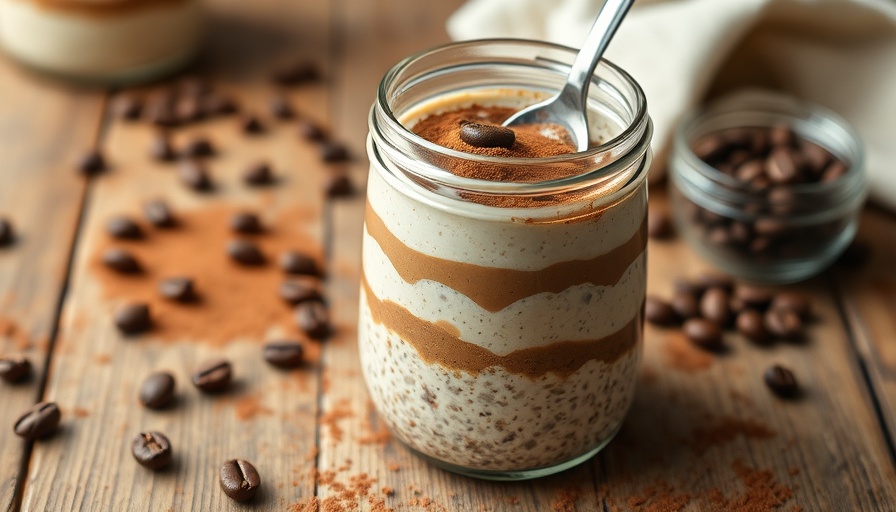
Tiramisu protein overnight oats in a jar with a spoon.

Indulge in Delicious Nutrition with Tiramisu Protein Overnight Oats

If you've ever wished for a breakfast that feels like dessert, your dreams have just come true! Tiramisu Protein Overnight Oats bring together the indulgent flavors of the classic Italian dessert with the nourishment of a healthy breakfast option. Packed with 30 grams of protein, this meal not only keeps you full but also fuels your day right.

Why Choose Overnight Oats?

Overnight oats are more than just a trendy food; they provide a convenient and nutritious alternative to traditional breakfasts. Each bite of these tiramisu-inspired oats is rich in fiber and protein, making them an exceptional choice for those wanting to maintain energy levels without compromising taste. Plus, the prep is a breeze! Just combine your ingredients, refrigerate overnight, and enjoy a hassle-free meal in the morning.

A Balanced Breakfast Option

The ingredients in Tiramisu Protein Overnight Oats allow you to maintain a balanced diet while indulging your sweet tooth. By utilizing rolled oats, almond milk, and protein powder, you're ensuring your body receives essential vitamins, minerals, and enough protein to kickstart your day. When paired with fiber-rich ladyfingers and creamy mascarpone, this dish isn't just delicious—it's also nutritious.

Simple Steps to Create Your Tiramisu Protein Oats

Assembling your overnight oats is straightforward: mix rolled oats with protein powder, mascarpone, pureed cottage cheese, and a splash of almond milk. Layer it up with soaked ladyfingers and top with cocoa for that authentic tiramisu experience. Each layer enhances the next, providing not just visual appeal but also tantalizing flavors.

Top Tips for Personalization

Experimentation is key to making this recipe uniquely yours. Not only can you substitute the vanilla protein powder with chocolate for a twist, but incorporating various plant-based milks can also add different flavors and textures. Don't forget to explore sugar substitutes like honey or erythritol to find the perfect sweetness level that suits your palate.

Ready to enjoy a delicious yet healthy breakfast that keeps you energized and satisfied? Tiramisu Protein Overnight Oats is your answer! Get creative and make it yours!

Nutrition

59 Views

0 Comments

Write A Comment

*
*
Please complete the captcha to submit your comment.
Related Posts All Posts
06.20.2026

Understanding the Impact of Ultra-Processed Foods on Health

Update Rethinking Our Relationship with Food: The Rise of Ultra-Processed Foods In today’s fast-paced world, it’s easy to lose sight of what constitutes a healthy diet. With countless conflicting opinions surrounding nutrition, how do we discern fact from fiction? Dr. Michael Greger's recent podcast episode on ultra-processed foods sheds light on this pressing issue, encouraging us to reevaluate our dietary choices centered around unprocessed, whole foods.In Podcast: Ultra-Processed Foods (Part 1), the discussion dives into the critical health implications of ultra-processed foods, exploring key insights that sparked deeper analysis on our end. The Evolution of Nutrition Science The field of nutrition has undergone significant transformations over the last century. Initially, it focused on combating nutrient deficiency diseases. However, as society progressed, the focus shifted toward managing excess—excess sugar, salt, and unhealthy fats—largely due to the rise of industrially processed foods. With the introduction of the NOVA food classification system by Professor Carlos Monteiro, processed foods became categorized by their level of processing, with a particular spotlight on ultra-processed items. Unpacking the NOVA Classification System The NOVA classification divides foods into four categories. The first consists of unprocessed or minimally processed items such as fresh fruits and vegetables. As you progress to the fourth group, you encounter ultra-processed foods—those that contain ingredients typically not found in home kitchens. These items often mimic real foods but are packaged with artificial flavors, preservatives, and added sugars, pushing them far from their wholesome origins. Examples include sugary cereals, packaged snacks, and instant meals. They are engineered for convenience but often contribute to adverse health outcomes. The Health Implications of Ultra-Processed Foods Dr. Greger’s podcast highlighted a crucial concern: the correlation between ultra-processed food consumption and numerous health issues such as obesity, heart disease, and even mental health disorders. Studies involving millions of participants consistently show that higher ultra-processed food intake correlates with increased risks of chronic diseases. Indeed, these foods are not just detrimental due to their poor nutrient profiles; rather, there's a growing consensus that the ultra-processing itself poses unique health risks. Why Does Processing Matter? One might wonder: why is processing significant when we’ve been told for ages to monitor our sugar and fat intake? Dr. Greger asserts that ultra-processed foods contribute to a wide variety of ailments independently of their nutrient content. This is because these foods are specifically engineered to be hyper-palatable, promoting overeating and weight gain. They often lack the necessary fiber found in whole foods, which means they don’t satisfy hunger the same way. This could lead to a detrimental cycle of unhealthy eating behaviors. Debunking Misconceptions Surrounding Ultra-Processed Foods Mainstream understanding suggests that obesity arises solely from overeating and lack of exercise. While these factors are undoubtedly pertinent, Dr. Greger advocates for acknowledging how the characteristics of ultra-processed ingredients play a role in disease incidence. Ultra-processed foods displace more nutritious options, compromising the overall quality of one’s diet. Simply put, their detrimental impact goes beyond mere calories—they affect our biochemical makeup, influencing our well-being. Taking Action: Redefining Our Grocery Lists The question remains: how can we apply this knowledge to our daily lives? A simple yet effective approach is to shift our grocery shopping behavior. Aim for foods from the first three NOVA groups—whole or minimally processed items—rather than their ultra-processed counterparts. Each trip to the store is an opportunity to cultivate a healthier pantry. As Dr. Greger emphasizes in his podcast, our choices ultimately shape our diets and health outcomes. Conclusion: A Call to Action for Mindful Eating The insights provided in Dr. Greger’s podcast on ultra-processed foods serve as a crucial reminder for all of us. By paying attention to the origins and composition of what we consume, we can significantly improve our health and well-being. As you reflect on your own dietary choices, consider making a conscious shift towards more wholesome, less processed options. Our bodies deserve better, and the first step towards better health starts with the food choices we make daily. If you want to delve deeper into this topic, sign up for Dr. Greger's newsletter for ongoing updates on nutrition science.

06.19.2026

Embrace Summer with 21 High-Protein Lunch Ideas for a Healthy Boost

Update Discover Summer's Easy High-Protein Lunch Solutions As the warm days of summer roll in, finding healthy, satisfying meals that don’t require excessive time in the kitchen is a must. For health-conscious individuals who wish to boost their protein intake while preserving precious summer leisure time, simple, nutritious lunch options are paramount. What better way to enjoy summer than with delicious and lazily prepped high-protein lunches? Here’s a curated list that serves both nourishment and convenience. Lazy but Nutritious: Top High-Protein Lunch Ideas Nutritious lunches that keep you energized all day can significantly enhance your physical and mental well-being. The following recipes are perfect for busy summer days when you want something quick and packed with protein. 1. Sweet Potato Taco Bowls These colorful taco bowls blend nutritious sweet potatoes with the classic ingredients you love. Not only do they offer 34 grams of protein per serving, but they also bring a delightful 13 grams of fiber, keeping you full and satisfied for longer. 2. Cottage Cheese Chicken Enchilada Bowls Indulge in the flavors of enchiladas without the hassle of a complex recipe. These bowls deliver a remarkable 47 grams of protein while being straightforward enough for meal prep. Simply pack them in containers, and they're ready to go! 3. Hawaiian Pizza Chicken Bowls If you love Hawaiian pizza but dread takeout guilt, try these delightful bowls. With an impressive 57 grams of protein per serving, you'll enjoy a sweet-savory flavor explosion without straying from your health goals. 4. Air Fryer Salmon Using an air fryer is perfect for lazy lunches. Deliciously cooked salmon with just 26 grams of protein makes for an easy yet elegant meal that allows you to spend more time enjoying summer fun. 5. Italian Chicken Pasta Salad This easy pasta salad, featuring rotisserie chicken, can be whipped up in no time. With plenty of vegetables like cucumbers and tomatoes mixed in, you'll get a solid protein hit of 22 grams. The Importance of Protein in Your Diet Achieving a sufficient protein intake daily can enhance muscle recovery, keep you feeling full, and support healthy weight loss efforts. An average serving of these recipes provides not only essential nutrients but also keeps you energized for summer activities. Lean proteins, such as chicken, fish, and legumes, are components of these high-protein lunches that offer fantastic health benefits along with delicious flavor profiles. Meal Prep: Simple Strategies for a Busy Life Preparing these meals for the week ahead is easier than you think. Most of these recipes can be made in under 30 minutes and stored in airtight containers for quick grab-and-go access. Consider batch cooking on a Sunday, so you have a week’s worth of lunches ready to fuel your summer adventures. Tips to Stay Inspired This Summer Eat the rainbow! Keep lunch appealing by incorporating a variety of colorful fruits and vegetables. This not only enhances flavor but also increases nutrient diversity. Additionally, experimenting with different herbs and spices can bring delightful twists to your usual meals, keeping your palate intrigued. Considerations for Customizing Recipes Don’t hesitate to tweak recipes according to your preferences or what you have on hand. Swapping in seasonal veggies or different proteins can yield exciting new flavors while maintaining the health integrity of your lunches. Final Thoughts: Embrace Your Health Journey Summer is a time of vitality, fun, and adventure. Nourishing your body with these high-protein lunches can enhance your energy levels and overall well-being during this exciting season. By transforming traditional meals to fit your health goals and streamline your meals, you can enjoy summer to the fullest. Start experimenting with these meal ideas today and elevate your lunch game!

06.18.2026

Why Eat Barberries Instead of Berberine for Cholesterol Control?

Update Reevaluating Cholesterol Management: Whole Foods vs. Supplements In pursuit of better health, the conversation surrounding effective strategies to lower cholesterol has led to the spotlight being directed towards both supplements and whole food alternatives. While medications and supplements have been widely prescribed over the years, recent discussions suggest that eating whole foods, such as barberries, may provide significant benefits without the associated risks of supplementation. This article dives into the insights shared in the video titled "Barberries Rather Than Berberine to Lower Cholesterol", examining the effectiveness of barberries as a natural way to manage cholesterol levels.In the video titled "Barberries Rather Than Berberine to Lower Cholesterol", key insights regarding cholesterol management and dietary alternatives prompted a deeper analysis that we are expanding on in this article. The Power of Barberries: A Natural Approach During a systematic review involving 18 randomized controlled trials, findings indicated that berberine, a compound found in barberries, could reduce LDL cholesterol by approximately 18 points within one to six months when taken as a supplement. However, there have been concerns regarding the quality and integrity of studies conducted in China, with claims that 80% of clinical trial data may have inaccuracies or outright fraud. Given that 15 out of those studies reported solely on berberine supplements, the push to consider barberries as an alternative becomes compelling. Concerns with Berberine Supplements One significant drawback associated with berberine supplements is the lack of consistency in ingredient concentrations. For instance, a 2017 study determined that many supplements fell short of their labeled dosages, with 9 out of 15 failing to contain even 90% of what's promised. This inconsistency raises questions concerning the reliability of these products, especially since half of the supplements tested recently in 2023 also showed a marked deficiency in berberine content. Such findings reflect a critical need for caution when considering supplement use for cholesterol management. Side Effects of Berberine: The Hidden Costs While berberine may offer some benefits, it is not without its complications. Users commonly report gastrointestinal distress, which includes symptoms like abdominal pain and diarrhea. Interestingly, these reactions may be tied to disruptions in the gut microbiome. Berberine can even exacerbate conditions that it has historically been used to mitigate, such as infectious diarrhea. Therefore, it’s prudent to assess individual physiological responses before embarking on a supplement regimen. Whole Food Benefits: Choosing Barberries Transitioning to barberries as a delicious, whole food alternative can mitigate many of the risks associated with berberine supplements. Dried barberries can be conveniently sourced in Middle Eastern spice shops or online, and they contain 5 to 8% pure berberine. For those who wish to lower their LDL cholesterol, the suggested daily dose of approximately two tablespoons of dried barberries can be incorporated seamlessly into a variety of dishes. Studies have implied that these berries, specifically the purplish-black variety, contribute effectively to lowering cholesterol without the excessive side effects. Understanding Barberries and Their Nutritional Value Incorporating barberries into your diet comes with unique advantages. Beyond their potential to manage cholesterol levels, barberries are also rich in antioxidants, vitamins, and minerals. Their tart flavor adds a delightful zing to smoothies, salads, and various culinary creations, making healthy eating not just rewarding in terms of health benefits but also enjoyable. Future Directions for Cholesterol Management The current landscape of cholesterol management is evolving, with more emphasis being placed on natural dietary sources of health benefits rather than synthetic supplements. Exploring alternatives like barberries provides a pathway for those aiming for improved cardiovascular health while minimizing risks. Further studies and discourse ought to explore these options, prompting healthcare professionals to look beyond conventional treatment methods. Actionable Insights for Healthier Choices Before making any drastic alterations to your diet or supplement routine, consult with a healthcare provider, especially if you are on medications. The safety and efficacy of dietary interventions such as barberries can significantly enhance your approaches to health and wellness, particularly in maintaining healthy cholesterol levels. In light of the complexities surrounding berberine supplements, incorporating barberries represents a promising yet straightforward alternative. Engaging in this natural path not only supports healthier living but also nurtures a broader understanding of how our dietary choices impact our overall well-being.

Terms of Service

Privacy Policy

Core Modal Title

Sorry, no results found

You Might Find These Articles Interesting

T
Please Check Your Email
We Will Be Following Up Shortly
*
*
*