
Add Row
Add Element
cropper
update

{COMPANY_NAME}

Drink Me Healthy - logo
update
Add Element
  • Home
  • Smoothies
    • Healthy Smoothies
    • On-the-Go
    • Savory Smoothies
    • Low Calorie Smoothies
    • Weight Loss Smoothies
    • Treat Smoothies
    • Smoothies for Diabetes
    • Energy Boost
    • Reduce Belly Fat
    • Detox
  • Health & Fitness
    • Blenders & Blending
    • Community
    • Fitness
    • Health Matters
    • Immunity
    • Juicing
    • Lifestyle
    • Nutrition
Add Element
  • Drink Me Healthy on Facebook
    update
  • Drink Me Healthy on X
    update
  • update
  • update
  • update
  • update
  • Drink Me Healthy on Instagram
    update
February 25.2025
2 Minutes Read

Transform Dinner with Hawaiian Chicken Sheet Pan: A Protein-Packed Delight!

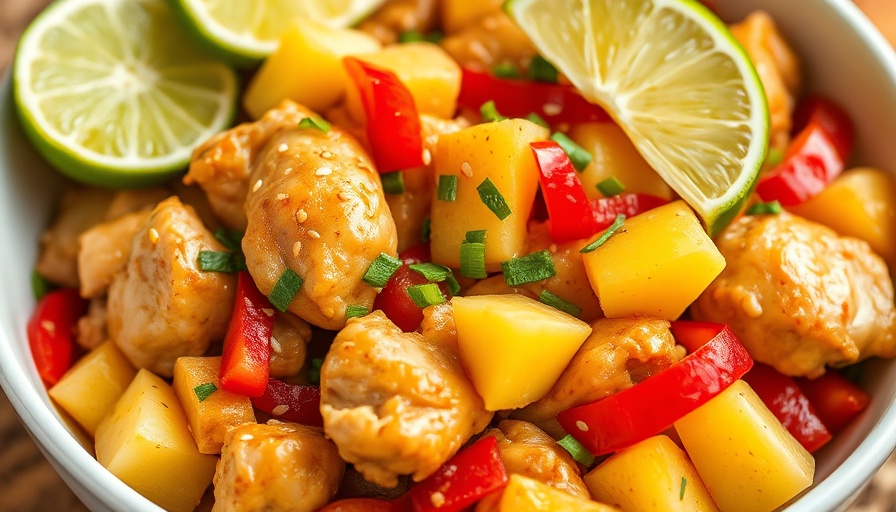
Hawaiian Chicken Sheet Pan Recipe with lime and sesame.

A Taste of the Tropics: Hawaiian Chicken Sheet Pan Recipe

If you're dreaming of a meal that transports you to a warmer place, look no further than the Hawaiian Chicken Sheet Pan! With vibrant flavors and a comforting aroma, this dish promises to be a crowd-pleaser.

Why You’ll Love This Recipe

This Hawaiian chicken dish isn't just about incredible taste. Each serving comes packed with 43 grams of protein, making it an ideal choice for those looking to boost their nutrition without sacrificing flavor. Plus, it’s gluten-free and showcases the deliciousness of pineapple, bell peppers, and the delightful tang of Hawaiian BBQ sauce. It’s a sweet, savory, and smoky marvel!

Simple Ingredients for Maximum Flavor

This recipe calls for easy-to-find ingredients. You’ll need chicken breasts (or thighs, for a juicier bite), colorful bell peppers, and essential spices like garlic powder and coriander. While the Hawaiian BBQ sauce brings the dish to life, you can customize it with your favorite brands, just keeping an eye on sugar content. Fresh pineapple chunks add a tropical twist, making every bite feel like a mini-vacation.

Cooking Made Easy: One-Pan Wonder

Part of what makes this dish special is how easy it is to prepare. Simply mix the ingredients, toss them on a sheet pan, and let your oven do the work. No more complicated recipes with endless prep time! In as little as an hour, you can serve a meal that everyone will rave about.

Tailor the Dish to Your Taste

Looking to spice it up? Here are some ways to modify the recipe: swap the chicken for tofu for a plant-based option or add different vegetables like zucchini or broccoli for extra nutrients. The versatility doesn’t end there; consider serving this dish over a bed of quinoa or paired with a refreshing salad for a complete meal.

Make It Your Own

When it comes to meals, personalization is key! This Hawaiian Chicken Sheet Pan can be seasoned to your taste. Experiment with additional herbs or spices, or change up the vegetables based on what's in season or what you enjoy most. The beauty of sheet pan dinners lies in their adaptability.

Serve and Savor

This dish is perfect for casual family dinners or when entertaining friends. Pair it with rice or quinoa to soak up that delicious sauce, and don’t forget garnishing with fresh lime juice and cilantro for that authentic touch. Plus, its colorful presentation will impress anyone at your table.

Conclusion: A Nutritional Delight Awaits!

Now is the time to bring tropical flavor to your kitchen! This Hawaiian Chicken Sheet Pan dish offers a healthy, protein-packed meal that won't leave you feeling deprived of indulgence. So grab your ingredients and make it tonight! Don’t forget to share your results and brighten someone’s meal with this delightful recipe.

Nutrition

56 Views

0 Comments

Write A Comment

*
*
Please complete the captcha to submit your comment.
Related Posts All Posts
04.14.2026

The Hidden Dangers of Imported Shrimp: Understanding Antibiotic Safety

Update Is Shrimp Safe to Eat? Understanding Antibiotic Residues As shrimp becomes a staple in many diets across the United States, it is essential to scrutinize the safety of this popular seafood. Alarmingly, around 90% of the shrimp consumed in the U.S. is imported, often raised in densely-packed aquaculture environments that necessitate the use of various drugs to fend off diseases. Unfortunately, the extensive use of antibiotics poses significant health risks due to the residues that can remain in the shrimp. Studies indicate that despite regulatory measures, shrimp continues to be one of the seafood products with the highest frequency of veterinary drug violations.In 'Is Shrimp Good for You? Antibiotic Resistance', the discussion dives into the health risks associated with shrimp consumption, prompting a deeper analysis on our end. The Health Risks of Consuming Shrimp The primary concern lies with drugs like chloramphenicol and nitrofurans, both of which are prohibited for use in food animals in the United States due to their link to serious health issues such as aplastic anemia and potential cancer risks. While strict regulations exist, troubling reports suggest that 92% of imported shrimp have tested positive for at least one banned antibiotic, indicating that the risk of contamination remains substantial. These drugs disrupt the human microbiome and may contribute to the growing crisis of antibiotic resistance. Regulatory Oversight: Is It Enough? The oversight provided by the U.S. Food and Drug Administration (FDA) is far from exhaustive, with only about 0.1% of shrimp imports actually being tested for drug residues. Each year, the FDA tests approximately four samples out of every 10 million pounds of shrimp, giving shipments only a one-in-a-thousand likelihood of being selected for inspection. This creates a dangerous gap, wherein countless shipments of potentially contaminated shrimp reach consumers unchallenged. Comparative Global Standards and Practices While the U.S. utilizes a limited screening process focusing on a mere handful of drugs, countries such as Europe and Japan employ stringent regulations that test for a variety of drugs. The disparity in testing methods raises concerns about the safety of imported seafood that may not meet more rigorous international standards. This lack of uniformity in testing not only jeopardizes public health but also allows certain products barred from European markets to freely enter the U.S. market. Societal Implications of Antibiotic-Contaminated Seafood The current situation doesn’t just affect individual consumers; it carries greater implications for public health. The overuse of antibiotics in shrimp farming contributes to the global challenge of antibiotic resistance, which is a pressing concern for healthcare professionals worldwide. As the bacteria in our environment become increasingly resistant to antibiotics, the cultivation of strategies to manage this burden becomes critical. Practical Insights: What Can Consumers Do? Consumers must navigate this minefield with care. Familiarizing yourself with the source of your shrimp can significantly impact your dietary safety. Opt for shrimp labeled as sustainably sourced or verified by organizations that ensure safe farming practices. Seeking out local markets and understanding the origins of seafood products can reduce the risk of consuming contaminated seafood. In conclusion, the key takeaway is awareness. As we enjoy shrimp as a source of lean protein and essential nutrients, let us also advocate for stronger regulations surrounding aquaculture practices to ensure safer seafood for all. If you’re keen on exploring how dietary choices can impact your health beyond just shrimp, consider seeking out educational resources that illuminate these critical topics further.

Terms of Service

Privacy Policy

Core Modal Title

Sorry, no results found

You Might Find These Articles Interesting

T
Please Check Your Email
We Will Be Following Up Shortly
*
*
*