


Did you know that over 70% of adults in the UK don't meet recommended intake of fruits and vegetables daily? This single fact spotlights an urgent challenge—a healthy lifestyle seems simple, but many of us fail to achieve even the basics. If the thought of “getting healthy” feels overwhelming or out of reach, you’re far from alone. This article offers clear insights, practical steps, and expert advice to help you start your healthy life the right way—without confusion or unrealistic goals. Whether you’re aiming for better nutrition, weight loss, or all-round wellbeing, here’s how to get on track and stay there.
The Urgent Truth: Why a Healthy Lifestyle Matters More Than Ever
"Over 70% of adults in the UK don't meet recommended intake of fruits and vegetables daily." – National Health Survey
The need for a healthy lifestyle has never been more crucial. In recent years, research shows that chronic disease rates—including heart disease, type 2 diabetes, and mental health issues—are rising throughout the UK. The combination of busy routines, a food environment overflowing with unhealthy choices, and mixed messages around health have made it harder than ever to form sound habits. We’re living longer, but not necessarily better—our life expectancy may also come with a higher risk of death from preventable causes if we neglect nutrition, activity, and our overall wellness.
A healthy life isn’t just about diet or losing weight. Evidence from the National Health Survey and Sport England points to the broader impact: regular physical activity and balanced eating promote both a happier, more productive life and prevention of lifestyle diseases. Ignoring these fundamentals can lead to a cascade of health issues—persistent cough, low energy, weight gain, and increased risk of death. There is an urgent call for all of us to re-examine how we define wellbeing and to take control of our healthy lifestyle, even if progress feels slow.
Healthy Lifestyle and Its Impact on Longevity and Happiness
- Improved physical health: Reduced risk of diseases and better immune function.
- Enhanced mental clarity: Better mood, less stress, and a stronger sense of focus.
- Increased life satisfaction: A sense of purpose and fulfilment in everyday activities.
- Prevention of lifestyle diseases: Reduced chance of developing chronic conditions associated with poor habits.

What You'll Learn in This Healthy Lifestyle Guide
- Key elements foundational to a healthy lifestyle
- Actionable tips for weight loss and balanced nutrition
- The truth about bee pollen and popular health trends
- FAQs addressing common healthy lifestyle barriers
Defining a Healthy Lifestyle: What Does It Really Mean?
Many people confuse a healthy life with a healthy lifestyle, but there is a vital distinction. While “healthy life” often refers to our state of health overall or our life expectancy, a healthy lifestyle is about the daily choices and routines that help people reach—and maintain—better health. This includes everything from your recommended intake of nutrients and your physical activity to how you manage stress, sleep, and even your social connections.
According to recent health information from the NHS, it’s about adopting behaviour that may also help you lower your risk of death due to preventable diseases and promote a meaningful life mission. The latest new research continues to show a direct link between positive daily habits and long-term health outcomes. The challenge? Transforming big aspirations into small, actionable steps and maintaining them amid societal pressures, limited access, and shifting advice.
Healthy Life vs. Healthy Lifestyle: Clearing Up the Confusion
"A healthy lifestyle goes beyond diet—it's a holistic approach to mind, body, and community."
It’s tempting to focus only on quick wins—like a diet or the next best health trend—but a healthy lifestyle mission involves much more. It’s about nurturing mental wellbeing, building supportive relationships, celebrating progress, and developing resilience through life’s ups and downs. Embracing this comprehensive view is what separates fleeting changes from a truly healthy life. Even small improvements in one area—extra veggies in your daily meals, more movement, or mindfulness—can cascade across your mental health, emotional state, and overall happiness, reinforcing why consistency, not perfection, is the real goal.

Recommended Intake: Nutrition as the Cornerstone of Healthy Lifestyle
Nutrition forms the heart of every healthy lifestyle, influencing physical energy, mental clarity, and even the risk of death from chronic illness. In the UK, government guidelines set recommended intake levels for essential nutrients to help people avoid both deficiency and weight gain, and to support long-term wellbeing. The focus is on a balanced diet—rich in fruits, vegetables, whole grains, lean protein, and healthy fats like those containing EPA and DHA—to provide all-round protection against disease while promoting sustainable weight loss.
Adhering to these standards may also lead to improved blood pressure, lower cholesterol, better gut health, and more. Research shows that even a 10% improvement in healthy eating patterns—such as swapping sugary drinks for water—can have a measurable effect on your health over time. But remember, nutrition is not about restriction; it’s about empowerment and making informed choices guided by evidence and skilled healthcare professionals.
| Nutrient | Recommended daily intake (adults) | Main food sources |
|---|---|---|
| Fruits & Vegetables | 5 portions (400g) minimum | Broccoli, apples, berries, carrots |
| Fibre | 30g | Whole grains, oats, legumes |
| Protein | 50g (varies by age/weight) | Chicken, beans, tofu, fish |
| Fats (EPA and DHA) | 250mg | Oily fish (salmon, mackerel) |
| Water | 1.6–2L | Tap water, herbal teas, soups |
How the Recommended Intake Affects Weight Loss
If weight loss or preventing weight gain is your goal, understanding the role of recommended intake is essential. Consuming nutrient-rich, filling foods not only supports overall health but helps regulate appetite and energy levels. High-fibre options, adequate protein, and healthy fats like EPA and DHA help stabilise blood sugar and keep you fuller for longer, making it easier to maintain a calorie deficit without feeling deprived. Blood tests performed by healthcare professionals can guide personal adjustments to your diet, especially if you may also have unique health concerns or are impacted by your menstrual cycle.
Evidence from UK health professionals shows that people who focus on balanced meals and hit their recommended nutrient intake are times higher to keep the weight loss off long term. They’re also less likely to fall for hyped-up detoxes, extreme low-calorie diets, and other quick fixes that often lead to yo-yoing and frustration. Let your results come from steady, science-backed habits rather than extremes.
For those looking to put healthy eating into practice, exploring simple, flavourful recipes can make nutritious choices more enjoyable. For example, you might find inspiration in this vibrant air fryer jerk chicken drumsticks recipe, which offers a balanced, protein-rich meal that fits seamlessly into a healthy lifestyle.
Common Barriers: Why Many Fail to Start a Healthy Lifestyle
- Lack of motivation or clear goals
- Confusion from conflicting advice
- Societal pressures and myths
Let’s be honest—forming a healthy lifestyle mission is hard. Why do so many struggle to start, let alone stick with, positive changes? Research shows barriers like limited access to fresh foods, misinformation from social media “experts,” and the relentless pressure of busy lives play a huge role. As searches for “healthy life” and “weight loss” have doubled in recent years, so have the contradictory messages and “quick fixes” circulating in the media. Even the strongest start can falter when you hit decision fatigue or feel unsupported.
Practical steps—like consulting with a healthcare professional or registered dietitian—can cut through noise and help people tailor their journey around personal needs and routines. Knowing which “rules” are supported by data (versus fads or marketing) keeps your approach sustainable. Remember: Progress is measured in small victories, and sometimes just choosing a glass of water over a soft drink is a win.

Small Steps to a Healthier Life: Simple Habits that Matter
- Start with one nutritious meal a day. Commit to making either breakfast, lunch, or dinner vibrant and balanced—add an extra handful of vegetables or switch from processed foods to whole options.
- Schedule daily activity breaks. It doesn’t need dramatic change—10-15 minutes of brisk walking, stretching, or dancing to your favourite song makes a difference.
- Track water intake. Keeping a refillable bottle handy or setting reminders can help you reach your hydration goals.
- Mindful moments for stress management. Try deep breathing exercises, guided meditation, or simply stepping outside for fresh air to reset your mind and body.
Building a healthy life is not about perfection, but about integrating these simple habits consistently over the long term. Each positive choice adds up, gradually reinforcing your commitment to a healthy lifestyle mission and reducing your risk of death from preventable causes.
Bee Pollen and Other Health Trends: Science or Hype?
New health trends—especially “superfoods” like bee pollen—are everywhere. But do these options truly deliver, or are they just clever marketing? Bee pollen is marketed for everything from increased energy to immune support and weight loss. While some new research suggests it may also contain antioxidants and micronutrients, health professionals warn that robust clinical information is limited.
Other “quick fix” products, such as detox teas or high-dose supplements, appeal to our desire for simple answers. However, evidence from the NHS and Sport England consistently shows that foundational habits—not isolated trends—are far more effective for maintaining a healthy lifestyle in the long term. Always consult a qualified health professional before adding anything new to your routine, and rely on reputable, science-based sources for your health information.
Bee Pollen: May Also Support Your Healthy Lifestyle?
"Some studies suggest bee pollen may also enhance energy and boost immunity, but robust clinical evidence is limited."
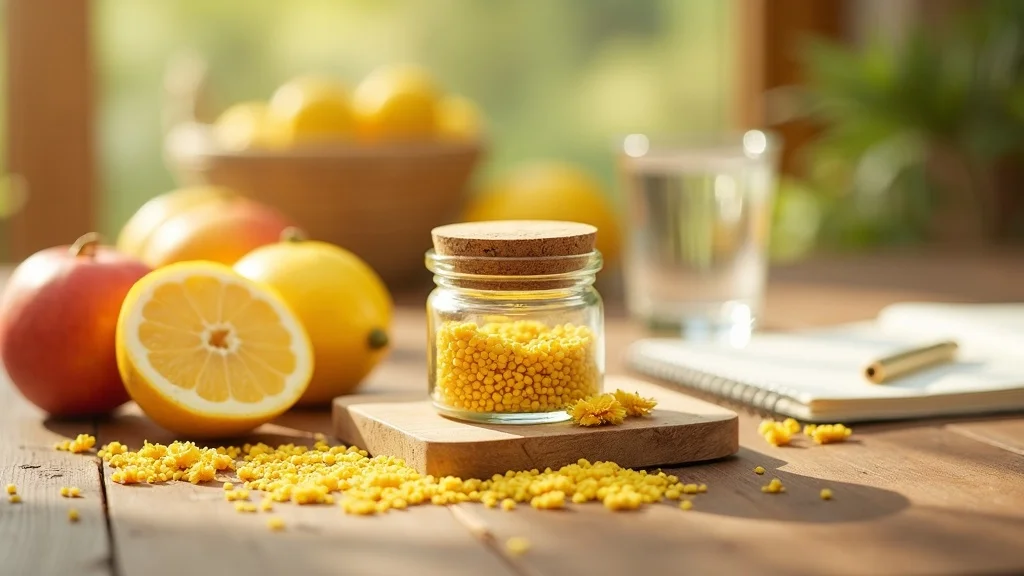
Wondering if bee pollen should have a place in your cupboard? While it contains nutrients that may also support overall health, including vitamins, minerals, and antioxidants, the scientific jury is still out. Some early studies hint it may also reduce inflammation or provide an energy boost, but the small sample sizes and lack of long-term research make it risky to rely on for any major health gains. More comprehensive trials are needed before bee pollen becomes a healthcare professional recommendation.
For those interested, a blood test can help identify if you have specific deficiencies that bee pollen might help correct, but for most people, focusing first on the basics—nutritious meals, adequate water, regular exercise—will yield far more reliable results. Balance beats hype every time.
Weight Loss Myths in the Pursuit of a Healthy Lifestyle
- Quick-fixes vs. sustainable change: Diet pills, magic teas, and fad cleanses may also offer short-term weight loss, but the pounds often return—sometimes doubled.
- Detox diets and their risks: The idea that you can “reset” your body in a weekend detox is misleading. Unbalanced detox kits can harm your metabolism and nutrient levels.
- Why balance beats extremes: Science proves that consistent, moderate changes—supported by data and health professionals—beat dramatic overhauls or restrictive eating patterns for a healthy life mission.
It’s tempting to chase trends that promise rapid transformations, especially as searches have doubled for keywords like “weight loss” and “detox diets.” Sport England and UK health experts note, though, that not only are these methods unsupported by science, they can raise your risk of death or cause long-term damage to your gut, metabolism, and even mental wellbeing. Instead, lasting changes come from balance—embracing all food groups, celebrating small wins, and leaning on personalised guidance rather than mass-marketed solutions.

Expert Opinions: How to Find a Healthy Lifestyle That Works for You
"Personalized solutions are key—what works for you may not work for another." – Dr. Carter, Wellness Expert
There is no “universal” healthy lifestyle plan. As Dr. Carter and other healthcare professionals explain, finding a sustainable approach hinges on understanding your personal preferences, routines, and obstacles. Regular check-ins with a trusted healthcare professional, reviewing blood test results, and adjusting your recommended intake according to your unique needs will help you form a strategy that’s realistic and effective for the long term.
Community support, whether through friends, online groups, or local fitness clubs (like those recommended by Sport England), can be a game changer for sticking to your healthy lifestyle mission. Sharing challenges and small victories helps keep motivation high and reminds you that setbacks are a natural, even necessary, part of the process.
People Also Ask: Healthy Lifestyle Concerns Answered
What are the key components of a healthy lifestyle?
A healthy lifestyle typically involves balanced nutrition, regular physical activity, adequate sleep, stress management, and social connections.
How can I overcome lack of motivation for a healthy lifestyle?
Setting realistic goals, tracking progress, and seeking community support are proven methods to boost motivation.
Does bee pollen have proven health benefits?
Current research is inconclusive; while some suggest benefits, more large-scale human studies are needed to confirm claims.
Watch: Friendly health expert shares simple steps—see meal prepping, light exercise, and journaling in beautiful UK scenes. (Video not embedded in this article.)
Hear from real people navigating obstacles and celebrating wins in their healthy lifestyle journey. Inspiring and honest. (Video not embedded in this article.)
FAQs: Healthy Lifestyle Insights
-
Is there a one-size-fits-all healthy lifestyle plan?
No, successful plans are tailored to individual needs and circumstances—personalisation is key for long-term results. -
How long before I see results from healthy changes?
Many people notice improved mood or energy within a week, but sustained benefits like weight loss or lower cholesterol take several months of consistent effort. -
Are supplements necessary for a healthy lifestyle?
For most, a balanced diet is enough. Supplements may be needed if you have diagnosed deficiencies or dietary restrictions—check with a health professional before starting new supplements. -
What role does sleep play in overall health?
Adequate sleep supports immunity, metabolism, mental clarity, and weight management. Aim for 7–9 hours most nights.

Key Takeaways on Embracing a Healthy Lifestyle
- Progress is often slow—focus on consistency.
- Balance is more effective than extremes.
- Educate yourself and trust science-based sources.
Final Thoughts: Strive for Progress, Not Perfection in Your Healthy Lifestyle
Embrace the journey—each positive change, no matter how small, puts you closer to your best, healthiest self.
If you’re ready to take your healthy lifestyle journey even further, consider exploring how smart choices can fit into your everyday routine—even when dining out or on the go. Discover practical strategies and options in our guide to the healthiest McDonald's breakfast options for smart eaters. This resource offers actionable tips for making balanced decisions, helping you stay on track with your wellbeing goals no matter where life takes you. By building on the foundations you’ve learned here, you can confidently navigate both home-cooked meals and quick stops, ensuring your healthy habits are sustainable and enjoyable for the long term.
Share this page on your social media
If this guide helped you, share this page on your social media to inspire friends and family to start their healthy lifestyle journey, too!
Sources
- NHS Live Well – https://www.nhs.uk/live-well/eat-well/
- Sport England – https://www.sportengland.org/
- The Eatwell Guide – https://www.gov.uk/government/publications/the-eatwell-guide
- British Dietetic Association: Bee Pollen – https://www.bda.uk.com/resource/bee-pollen.html
Embarking on a healthier lifestyle can be challenging, but incorporating small, manageable changes can lead to significant improvements. The article “One path to kick-starting a healthier lifestyle: Start small” emphasizes the importance of beginning with simple steps, such as increasing water intake or adding short walks to your daily routine, to build sustainable habits. (apnews.com) Additionally, the piece “Exercise Is Great. But Even Light Activities Like Walking and Housework Can Improve Your Health” highlights that everyday activities like housework or taking the stairs contribute positively to overall health, making physical activity more accessible. (time.com) By focusing on gradual changes and incorporating movement into daily life, you can create a foundation for lasting health improvements.


Write A Comment