


Did you know that up to 80% of premature heart disease and strokes can be prevented through simple lifestyle changes? That means many of us hold life-changing power in our daily routines—no fancy equipment or drastic overhauls required. Whether you’ve tried before and stalled or you’re just curious about what really works, this guide offers the practical steps, evidence, and inspiration you need to make meaningful improvements—starting today.
One Surprising Statistic: Why Lifestyle Changes Matter Now
"Recent studies indicate that up to 80% of premature heart disease and strokes can be prevented through simple lifestyle changes."
Let that number sink in: eighty per cent of the most common, life-altering health problems could be avoided if more people embraced some simple lifestyle changes. This isn’t just about dodging heart disease; it’s about boosting your health and wellbeing, mental health, and even shaving years off your biological age. Regardless of where you start, taking action now can help reduce future risks like weight gain, chronic illness, and emotional burnout. Every day presents an opportunity to invest in your good health—and it’s never too late to start.
Understanding the Urgency for Lifestyle Changes
Modern life is fast-paced, and excuses for delaying change are easy to find. But the truth is, waiting rarely pays off when it comes to health. A growing body of research shows that delaying even minor improvements can accelerate biological ageing, reduce physical and mental resilience, and ultimately increase health risks. Whether you aim to kickstart weight loss, cut your risk of heart disease, or strengthen your social connection, the cost of waiting can add up per day—and not just on your waistline. The sooner you shift towards positive routines, the more control you can reclaim over your long-term health outcomes.
Fueling this urgency is the fact that lifestyle changes are cumulative. Small decisions—taking the stairs instead of the lift, swapping processed snacks for fruit, and drinking an extra glass of water—can compound and create real change. These simple lifestyle changes support immediate improvements in how you feel, each action reinforcing your ability to work harder, sleep better, and manage stress more effectively. Embracing change now is the first step toward a healthier, happier, and longer life.
For those especially interested in targeted strategies, focusing on nutrition and daily habits can be a game-changer. In fact, adopting a few simple changes to burn belly fat without exercise can complement your overall lifestyle transformation, particularly if you’re over 40 and seeking practical, sustainable results.

What You'll Learn From This Guide to Lifestyle Changes
- The impact of simple lifestyle changes on your biological age and health and wellbeing
- Practical strategies to initiate positive routines
- Evidence-backed benefits for biological ageing
- Expert perspectives on sustainable change
- Answers to frequently asked questions on lifestyle improvements
Defining Lifestyle Changes: More Than Just Simple Lifestyle Shifts
When people think about lifestyle changes, images of drastic diets, elimination of all treats, or marathon gym sessions might come to mind. But true transformation often starts with simple lifestyle changes—adjustments that, while small, provide the foundation for sustainable health and wellbeing. It’s about progress, not perfection. Think of swapping soda for water or adding five extra minutes of daily stretching as more than fleeting habits; they represent a mindset shift that prioritises your well-being, mental health, and longevity.
A healthy lifestyle doesn’t require you to overhaul your world overnight. Instead, it’s about integrating key elements—movement, nutrition, sleep, social connection, and stress management—into your routine in a way that fits your life. Over time, these consistent changes can improve your biological age and delay the effects of biological ageing, reducing the risk of premature health decline. Embracing a series of simple lifestyle tweaks can offer lifelong benefits without overwhelming you.
Key Elements of Effective Lifestyle Changes
Not all health advice is created equal. The most effective lifestyle changes revolve around actionable, practical steps you can maintain. These include prioritising a diet rich in whole grains, lean protein, and healthy fats while reducing the intake of red meat and foods high in saturated fat. Just as important are regular physical activity—like brisk walking or cycling—and investing time in restorative sleep. Each of these elements works together to minimise weight gain and encourage weight loss if needed.
Equally crucial is cultivating emotional and social wellbeing. Building a strong social connection, investing in your mental health, and learning to manage stress all support sustained progress and make lifestyle changes enjoyable. If you focus on these fundamentals, the journey feels less like a chore and more like a step toward a richer, more fulfilling life.
How Simple Lifestyle Changes Contribute to Long-Term Health and Wellbeing
Adopting simple lifestyle changes leads to powerful ripple effects. A study found that even moderate improvements—like walking an extra 1,000 steps per day or adding an extra serving of fruits and vegetables—significantly enhanced health outcomes and reduced biological age. These modest shifts curb the risk factors associated with heart disease, diabetes, and obesity, and bolster overall physical and mental health. Embracing change steadily can yield results both immediately and in the years to come.
Perhaps the true beauty of incremental change is sustainability. You’re less likely to burn out or feel overwhelmed, making it easier to maintain improvements for the long haul. This approach helps not just with physical wellness but also cultivates habits that support your sex life, emotional balance, and sense of purpose. In short: simple changes, practiced daily, can transform your entire lifespan.
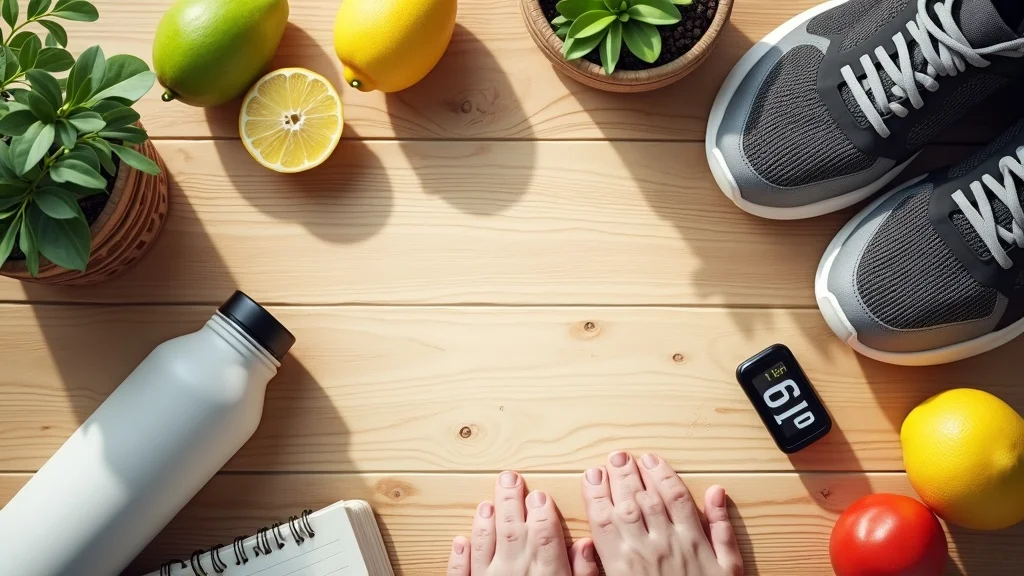
Simple Lifestyle Changes With Immediate Impact
- Integrating movement into your daily routine
- Hydration and its role in biological age
- Improving sleep quality
- Mindfulness as an anchor for health and wellbeing
Some lifestyle changes are so straightforward you can begin them today—and still see fast, lasting impact. Try integrating movement throughout your day, like taking ten-minute stretching breaks, scheduling brisk walks during phone calls, or riding your bike to work. Small, consistent increases in physical activity help reduce your biological age and prevent weight gain, all while boosting mood and energy.
Hydration is another game-changer. By simply aiming for a few more cups of water per day, you support better metabolism, enhanced cognitive function, and healthier skin. Improving sleep hygiene—having a set bedtime, limiting blue light exposure, and keeping your sleep space calm—can rejuvenate both physical and mental health. Lastly, try adding a few minutes of mindfulness or deep-breathing exercises to settle stress levels and encourage overall health and wellbeing.
Biological Age: The Role of Everyday Habits
Your chronological age counts the years since your birth, but your biological age tells a more important story—it’s a reflection of how well your body’s systems are actually functioning. Every daily decision has the power to influence this metric. Scientific research shows that those who choose healthy fats, lean proteins, ample fruits and vegetables, and regular physical activity consistently score a younger biological age than those with more sedentary or processed diets.
These everyday habits, such as drinking water, sleeping enough, and making mindful food choices, are often overlooked because they seem so basic. Yet, it is exactly these habits that slow the progression of biological ageing and help you avoid the traps of rapid weight gain, declining metabolism, and chronic health conditions. When you link your daily routines to tangible outcomes like youthful energy and longevity, even the smallest step forward feels motivating and worthwhile.
Case Study: Simple Lifestyle Adjustments for Weight Loss
Real-world transformations offer the best proof that simple lifestyle changes make a difference. Consider Jane, a reader who struggled with weight gain after switching to a desk job. Instead of attempting a restrictive fad diet, she started walking 20 minutes a day, swapped her afternoon soda for water, and aimed for more sleep each night. After twelve weeks, Jane not only saw noticeable weight loss, but her energy skyrocketed and her chronic stress improved. Her biological age assessment, measured by a wearable tracker, dropped by two years during that period.
Jane’s story isn’t unique. Studies consistently report that even gradual tweaks in eating patterns—like prioritizing whole grains and lean proteins, reducing red and processed meats, and upping hydration—correlate with improved health outcomes and successful, lasting weight loss. The lesson? Consistency and simplicity outperform extremes every time.
How Lifestyle Changes Influence Biological Age and Biological Ageing
| Age Type | Definition | Influencing Factors | Interventions to Slow Ageing |
|---|---|---|---|
| Chronological Age | Years since birth | None (fixed) | Not applicable |
| Biological Age | How old your body seems, based on health metrics | Diet, exercise, stress levels, sleep, habits |
|
While you can’t change your chronological age, decades of scientific study found you can absolutely influence your biological age—often by several years. It’s a game-changer: by making a few daily changes, you gain more energy, better resilience, and lower risks of chronic disease. This link is especially strong in areas like cardiovascular health, mental health, and the prevention of age-related decline.
Practices like eating more plants, engaging in regular physical activity, improving sleep, and prioritising stress management have all been shown to not just boost health and wellbeing, but demonstrably slow biological ageing. Setting clear, actionable health goals and tracking progress with technology or journals helps keep your biological age moving in the right direction.
Scientific Evidence Linking Lifestyle Changes to Biological Age
Recent advances in longevity science make it clear: biological age—not just the number on your birthday cake—should be your focus. Research shows targeted lifestyle changes, such as shifting to a Mediterranean-style diet, can lower markers of inflammation, reduce risk for heart disease, and decelerate ageing at the cellular level. Just as importantly, reducing your intake of red meat and processed foods, increasing exercise intensity, and supporting mental health can help you preserve good health well into later life.
One large-scale study found that participants who followed five healthy habits—maintaining normal weight, not smoking, getting regular activity, drinking in moderation, and eating a nutritious diet—lived over a decade longer free from chronic diseases. Science backs up what many have long suspected: simple lifestyle changes compound, delivering benefits that go well beyond weight loss or a few ‘good’ health numbers. Your daily habits truly build your future self—starting at the cellular level.
Expert Opinion: Health and Wellbeing through Lifestyle Transformation
"Biological ageing can be slowed by consistent, positive lifestyle interventions." – Dr. Amelia Clarke, Longevity Researcher
Dr. Clarke’s expert insight underscores a vital point: success in health and wellbeing is not about perfection or deprivation, but about consistency. Building simple routines—such as choosing herbal tea over sugary drinks or powering down screens before bed—has a direct, measurable impact on both physical and mental performance. More importantly, these foundational shifts become easier as you build positive feedback through results you can feel, like better energy, clearer thinking, and lasting weight loss. Consistency is your secret weapon for a long and fulfilling life.
This perspective is echoed by many health professionals: lasting change happens not through short bursts of effort, but through sustainable, positive lifestyle adjustments. The journey is a personal one, but the evidence is clear—the earlier and more faithfully you begin, the greater the rewards across every area of your life.

Top 10 Lifestyle Changes for Transformative Outcomes
- Prioritise whole foods over processed options
- Establish regular sleep cycles
- Reduce sedentary behaviour
- Manage stress through mindfulness
- Build social connections
- Limit alcohol and tobacco
- Stay hydrated
- Incorporate strength training
- Practice gratitude
- Monitor progress and adjust as needed
Each tip above is backed by scientific evidence and real-life success stories. Adding just a few to your routine today can pay dividends in better health and wellbeing. These points are not about being perfect, but about continually striving for improvement. If you focus on consistency—like tracking your daily water intake, setting a regular bedtime, or carving out quiet moments for meditation—you’ll be surprised how quickly small changes add up.
Importantly, personalisation matters; the best combination is one you can realistically follow in your own life. Tweak your plan as you go, listen to your body, and celebrate every step forward. Even the most resilient individuals focus on building their healthy lifestyle over time—giving themselves space to learn, adapt, and keep momentum strong.
Watch: A two-minute explainer on how your diet, exercise, and stress levels can affect your biological age, with straightforward visuals and tips on maintaining your best self for life.
Breaking Down Barriers: Common Myths About Lifestyle Changes
Myth 1: Lifestyle Changes Require Drastic Measures
It’s a common misconception that changes must be radical to be effective. In truth, the most powerful improvements often come from unwavering simplicity and gradual, realistic adjustments. You don’t have to eliminate every treat, sign up for gruelling bootcamps, or cut your social life to see results. Evidence and real-life stories alike prove that consistent, modest shifts—like eating more whole grains and finding time for enjoyable activities—are genuinely transformative.
Sustainable wellness is about making your plan fit your lifestyle—so if you’re intimidated by “all or nothing” approaches, be encouraged: even minor changes, repeated often, are statistically linked with reduced risk for heart disease, diabetes, and faster weight loss. Your journey to health and wellbeing can be gentle, flexible, and still wildly effective!
Myth 2: Simple Lifestyle Changes Won’t Affect Your Health and Wellbeing
Another myth claims modest alterations don’t really matter. In reality, a study found that people who added just one extra portion of vegetables each day, or walked 20 extra minutes, saw measurable improvements in markers for biological age and reduced risk of chronic illness. It’s not about being perfect from day one—it’s about choosing progress over stagnation.
Simple lifestyle changes—adding a fruit to your breakfast, joining a weekly group walk, or swapping just one sugary drink per day for water—compound into significant, lasting outcomes for your health and wellbeing. Small steps are powerful; you just have to start.

Health and Wellbeing: Real-Life Stories of Impactful Lifestyle Changes
"Small steps led to big changes in my weight loss journey and improved my overall biological ageing process." – Reader Submission
Authentic personal experiences compellingly demonstrate the benefits of simple lifestyle changes. For example, Sam, a reader, found his stress levels and mental health dramatically improved after reducing screen time, setting a consistent bedtime, and walking in a nearby green space each afternoon. Another member of our community reduced their risk for heart disease by incorporating more lean proteins and healthy fats while lowering their intake of processed and red meat. These manageable adjustments lead to a genuine sense of renewed vigor and hope, regardless of starting point.
Each story highlights a central truth: the formula for better health doesn’t require pain or perfection—just commitment, encouragement, and a willingness to believe in the compounding power of small steps. Take inspiration from these journeys as you build your own foundation for long-term wellbeing and reduced biological age.
Community Voices: How Simple Lifestyle Changes Spark Big Results
Across our readership, we’ve heard countless success stories—of people overcoming chronic fatigue, rediscovering an active sex life, or staving off weight gain through simple routine tweaks. One member started meal prepping on Sundays and immediately noticed reduced stress and more time during busy weekdays. Another committed to a social walking group, building a sense of community and accountability that made it easier to maintain regular physical activity.
These wins are not extraordinary—they’re within everyone’s reach. By choosing one change at a time, celebrating milestones, and connecting with others, you’re far more likely to stick with your goals and see lasting benefits. It’s the collective strength of each small choice that delivers real, sustainable wellbeing.

Practical Steps: How to Implement Sustainable Lifestyle Changes
Ready to begin? Start by identifying just one area you’d like to improve, such as hydration, movement, or sleep. Set a small, clear goal—like “drink one extra glass of water per day” or “walk fifteen minutes before breakfast.” Commit to tracking this goal for a week, then reflect on your progress and any obstacles you encountered. Adapt as needed and gradually layer on additional changes, always ensuring each step feels achievable within your current routine.
Keeping track of your improvements is key. Tools like journals, checklists, or digital trackers can hold you accountable and help you celebrate progress—big or small. Consistency, not perfection, is the secret ingredient to turning simple lifestyle changes into lifelong habits and enhanced health and wellbeing.
Building Lasting Habits for Health and Wellbeing
Long-term success hinges on your ability to create systems, not just rely on willpower. Try to attach new habits (like movement or healthier eating) to already-established routines—making tea in the morning, for example, could link to a two-minute stretch. Make your goals as specific as possible and remind yourself of the bigger motive: lowering your biological age, increasing energy, or feeling better per day.
Be patient and forgiving—research shows it takes on average 66 days for a new habit to feel automatic. If you stumble, avoid self-criticism and refocus on your progress so far. Enlist a friend or family member for accountability and remember that every step forward counts toward enhanced health and wellbeing.
Tools and Resources for Tracking Biological Age and Progress
The right tools can simplify your transformation and maintain motivation. Fitness trackers, health-focused apps, and digital journals provide instant insight into your movement, sleep, hydration, and overall progress. Many devices now offer a biological age assessment, making it easy to visualize your day-to-day efforts shaping your longevity and health.
Not a fan of gadgets? Even simple pen-and-paper logs or wall calendars can be highly effective for capturing trends, celebrating milestones, and spotting where you need support. Online communities offer encouragement, practical advice, and expert answers to questions about simple lifestyle changes, sustainable weight loss, or strategies to manage stress. Leverage these resources to customise your plan and sustain your healthy lifestyle for the long term.

Watch now for proven routines and simple tips you can apply today for better energy, sleep, and mood.
Frequently Asked Questions (FAQs) About Lifestyle Changes
How quickly can lifestyle changes impact my biological age?
Great results can happen faster than you might expect. Studies show initial improvements to your biological age may be visible after just a few weeks of consistent healthy habits—like walking more, eating more plant-based foods, or improving sleep. Keep in mind: progress is cumulative, so even the smallest positive lifestyle change will move you closer to your goals.
Are there specific lifestyle changes best for weight loss and wellbeing?
For weight loss and improved health and wellbeing, prioritise balanced meals featuring plenty of whole grains, lean protein, and healthy fats. Increase regular physical activity, limit sugary or heavily processed foods, and give special attention to stress management and sleep. The combination of these simple lifestyle changes is widely supported by research as the most effective approach.
Do all simple lifestyle changes work for every person?
While most methods offer universal benefits, each person responds a little differently. What works for one might need to be customised for another. Start with basic, proven strategies and adjust based on your preferences, health goals, lifestyle, and progress. Flexibility is key to sustained success and lasting improvements in biological ageing.
People Also Ask: Lifestyle Changes Essentials
What are the first steps for making lifestyle changes?
Answer: Start by identifying small, achievable goals, such as adjusting your diet or incorporating daily movement. Simple lifestyle changes accumulate for greater impact over time.
Can lifestyle changes slow biological ageing?
Answer: Yes, extensive research shows that positive lifestyle changes—especially diet, exercise, and stress reduction—can slow your biological ageing and improve overall wellbeing.
How do lifestyle changes benefit health and wellbeing?
Answer: Lifestyle changes support weight loss, lower risk of chronic disease, boost mood, and promote longevity through the improvement of day-to-day habits.
Key Takeaways: Lifestyle Changes for Life Enhancement
- Simple lifestyle changes are powerful and sustainable
- Consistent routines can positively affect your biological age
- Prioritising health and wellbeing leads to lifelong benefits
Final Thoughts on Taking Action With Lifestyle Changes
"The journey to better health starts with a single, simple lifestyle change—don’t wait to start."
Start Today: Embrace Simple Lifestyle Changes for a Healthier Future
The best time to act is always now. Begin with one manageable step, stick with it, and watch small improvements blossom into a healthier, happier, and younger-feeling you. Don’t wait—your life will thank you!
If you’re inspired to take your wellbeing even further, consider exploring holistic approaches that go beyond daily habits. Our in-depth guide on natural healing for lasting health and vitality uncovers advanced strategies and mindset shifts that can help you unlock a more vibrant, resilient life. By combining foundational lifestyle changes with a broader perspective on wellness, you’ll be equipped to create a future filled with energy, purpose, and true longevity. Take the next step and discover how a holistic approach can amplify your results and sustain your transformation for years to come.
Share This Page on Your Social Media
Was this guide helpful? Share this page with your friends, family, or community online—together, we can inspire positive change for all!
Sources
- American Heart Association – https://www.heart.org
- NHS Live Well – https://www.nhs.uk/live-well/
- BMJ Study on Lifestyle and Disease Risks – https://www.ncbi.nlm.nih.gov/pmc/articles/PMC1125120/
- Healthline – How to Change Habits – https://www.healthline.com/nutrition/how-to-change-habits
Incorporating simple lifestyle changes can significantly enhance your health and well-being. The article “One path to kick-starting a healthier lifestyle: Start small” emphasizes the importance of beginning with manageable steps, such as increasing water intake and engaging in regular physical activity, to build sustainable habits. (apnews.com) Similarly, the American Medical Association’s guide, “How patients can start—and stick with—key lifestyle changes,” offers practical advice on promoting physical activity and making dietary adjustments to support long-term health. (ama-assn.org) By starting small and staying consistent, you can create lasting improvements in your overall well-being.


Write A Comment