
cropper
update

{COMPANY_NAME}

Drink Me Healthy - logo
update
  • Home
  • Smoothies
    • Healthy Smoothies
    • On-the-Go
    • Savory Smoothies
    • Low Calorie Smoothies
    • Weight Loss Smoothies
    • Treat Smoothies
    • Smoothies for Diabetes
    • Energy Boost
    • Reduce Belly Fat
    • Detox
  • Health & Fitness
    • Blenders & Blending
    • Community
    • Fitness
    • Health Matters
    • Immunity
    • Juicing
    • Lifestyle
    • Nutrition
  • Drink Me Healthy on Facebook
    update
  • Drink Me Healthy on X
    update
  • update
  • update
  • update
  • update
  • Drink Me Healthy on Instagram
    update
September 09.2015
1 Minute Read

Still Making These 4 Common Smoothie Mistakes?

Still Making These 4 Common Smoothie Mistakes?

Gaining instead of losing weight? Could these 4 common smoothie mistakes be the reason?

Its easy to assume that a “smoothie” will be good for you in terms of nutrition and health, as well as flavor. (With the obvious exception of some very un-healthy “treat” smoothies, or course.)

But its also very easy to do more harm than good to your waste-line, unless you know the pitfalls to avoid.

Check out the article below and let me know if you agree with the author, Georgia Landry.

Smoothies are healthy and provide lots of healthy benefits to your body ...

But they can also be the culprit for your weight gain.

1. Not Adding Enough Vegetables

Add more vegetables into your diet – in a ratio of 2:1 veg portions

2. Too Much Fruit

Fruits maybe rich in nutrients and fiber, but they are not calorie-free.

3. Too Many Add Ons

Keep your smoothie simple.

4. Adding Extra Sweeteners

Don’t add more toxic sugar into your body.

For more info and advice, go over to the original article here by Georgia Landry

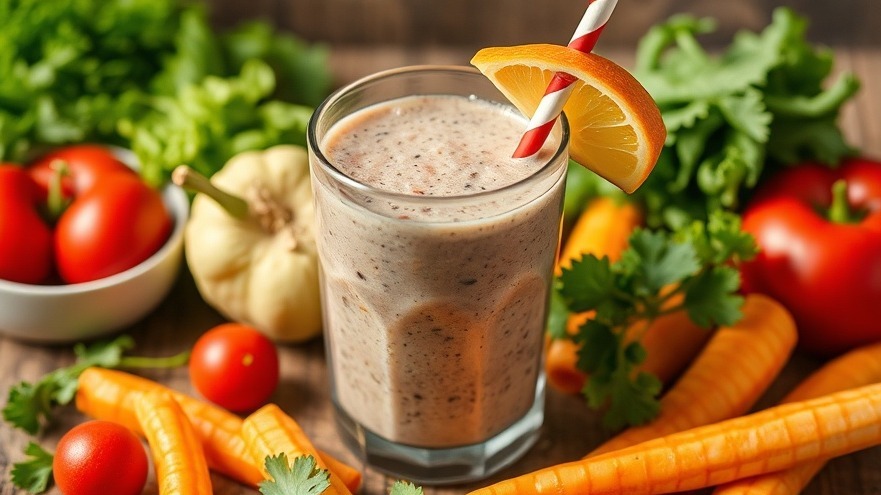
Photo: DrinkMehealthy.com


If you enjoyed this post, thanks for spreading the love – Like it and Share it with your friends…

Health Matters Healthy Smoothies

67 Views

0 Comments

Write A Comment

*
*
Please complete the captcha to submit your comment.
Related Posts All Posts
07.06.2026

Essential Tips for Mastering the Art of Grilling Kabobs

Update Grilling Kabobs: The Perfect Summer Delight As the weather warms up, the backyard grill becomes a centerpiece of culinary creativity, and nothing embodies summer dining quite like kabobs. Whether it's flavorful marinated meats or vibrant vegetables, kabobs offer a chance to mix flavors, colors, and healthy ingredients—making them a popular choice for gatherings and family meals alike. In this article, we'll explore how to master the art of kabob grilling, ensuring that your summer gatherings are both delicious and healthy. Why Kabobs Are the Ultimate Flexible Meal One of the biggest advantages of kabobs is their versatility. You can easily adapt them to suit dietary needs or personal preferences. For example, if you're focusing on health or weight loss, consider a combination of lean proteins like chicken and vibrant, nutrient-rich veggies like bell peppers, zucchini, and tomatoes. As noted in Grilled Beef, Chicken and Vegetable Kabobs, marinating the meat not only enhances the flavor but also tenderizes it, making it more enjoyable with every bite. Exciting Flavor Combinations to Consider When crafting your kabob, don't hesitate to get creative with marinades and spices. For a Mediterranean flair, mix olive oil, lemon juice, garlic, and fresh parsley, echoing the approach from Easy Grilled Vegetable Kabobs. If you're feeling adventurous, try adding a pinch of Aleppo pepper or dried oregano to elevate your vegetables to new heights of flavor. By experimenting with different marinades, you can discover unique flavor profiles that will surely impress your guests. The Importance of Marination Marinating your ingredients before grilling isn’t just a suggestion—it’s a key step to infusing deeper flavors. Ideally, you should marinate meat and veggies for at least an hour, but for optimal flavor, you can extend this process to several hours or even overnight. As noted in the reference articles, allowing the meat and veggies to soak in the marinade will yield kabobs that are bursting with deliciousness, creating memorable meals. Grilling Techniques for Perfect Kabobs Grilling kabobs is relatively straightforward; however, a few techniques will ensure success. Always start with soaking your wooden skewers for at least 30 minutes to prevent burning. Heat your grill to a medium temperature and cook kabobs for about 10-15 minutes, turning them frequently for even cooking. As noted, slightly charred edges help bring out natural sweetness in the ingredients without overwhelming their taste. Health Benefits of Kabobs Incorporating kabobs into your meal rotation not only adds variety to your diet but also supports healthier eating habits. Loaded with lean proteins and colorful veggies, kabobs are nutritious and low-calorie, making them an excellent choice for those looking to combat belly fat or maintain a healthy lifestyle. Pairing kabobs with a side of whole grains or a fresh salad enhances the meal's nutritional value even further. Leftover Kabob Ideas If you find yourself with leftover kabobs, don't fret! These flavorful skewers can easily be repurposed into various recipes. Simply slide the meat and veggies off the skewers and add them to a grain bowl, toss them into a salad, or use them as a filling for a wrap. The next day, your kabob leftovers will taste just as delicious as when they were freshly grilled! Conclusion: Unleash Your Creativity With fruity marinades, colorful ingredients, and endless combinations, kabobs are perfect for the summer season. They offer an easy and healthy way to enjoy grilling with friends and family. So fire up that grill and experiment with various ingredients and flavors that make kabobs a star dish for any summer gathering. Share your favorite creations with your loved ones and inspire them to embrace healthier meals this season!

07.05.2026

Sunscreen Effectiveness: Can It Truly Prevent Skin Cancer?

Update The Complex Debate: Sunscreen and Skin Cancer For decades, the relationship between sunscreen use and skin cancer has been a topic of controversy, with some earlier studies suggesting that not only does sunscreen fail to protect against skin cancer, but it also correlates with a higher risk. However, the clarity of these findings may lie in the extensive behaviors associated with sunscreen use. Typically, those who are consistent sunscreen users are more likely to engage in outdoor activities, including sunbathing, which inherently carries increased exposure to harmful UV rays. This parallels findings in other safety discussions, such as motorcycle helmet use, where higher reported accident rates are linked with the very protective measures that encourage risky behaviors.In the video titled "Friday Favorites: Does Sunscreen Cause or Prevent Skin Cancer Which Type Is Best to Use," essential insights into the critical role of sunscreen are explored, prompting us to delve deeper into understanding its effectiveness and safe use. But what do newer studies reveal about sunscreen’s efficacy in cancer prevention? Groundbreaking randomized controlled trials are providing evidence supporting the notion that proper sunscreen use can indeed reduce not just sunburn but also the incidence of skin cancers. Evidence of Efficacy: Sunscreen in High-Risk Populations Organ transplant recipients, who are prescribed immune suppressants, serve as a high-risk population for developing skin cancers. A compelling study involving 120 participants showed a stark contrast in skin cancer occurrence between those who adhered to a rigorous sunscreen application regimen and those who did not. Over the course of two years, only two new basal cell carcinomas emerged in the sunscreen group compared to nine in the control group. Additionally, no new cases of invasive squamous cell carcinoma were identified in the sunscreen group, emphasizing the protective benefits of proper sunscreen application. Understanding Application Guidelines for Maximum Effectiveness Despite the protective attributes of sunscreen, the reality of application often falls short. Research indicates that compliance with recommended application volumes is alarmingly low; many individuals apply only a fraction of the required amount. The FDA guidelines suggest an application of two milligrams per square centimeter, translating to approximately nine teaspoons for full-body coverage. Unfortunately, most users apply up to 75% less than necessary, diluting the SPF effectiveness. Pitfalls of Higher SPF: A Double-Edged Sword The surge in popularity of high SPF products has also raised concerns. While intuitive, higher SPF does not always equate to proportionately greater protection, leading many users to lengthen their sun exposure time and subsequently increase their risk of UV damage. In trials, participants using SPF 50 reported greater sun exposure than those using lower SPFs due to a false sense of security, underscoring the importance of not only using sunscreen but also ensuring proper utilization. Sunscreen: More Than Just UV Protection Beyond blocking UV rays, sunscreens need to protect against a broader spectrum of sunlight, including visible and infrared light, which can contribute to free radical damage in the skin. Unfortunately, many sunscreens offer limited defense against these forms of radiation, necessitating additional sun protection practices. Safety Concerns Regarding Chemical Absorption Surprisingly, recent examinations have uncovered potential health risks associated with the systemic absorption of chemical sunscreen agents. The FDA has reported that none of the currently marketed chemical ingredients can be deemed entirely safe without further testing. Given these findings, individuals may want to consider mineral-based sunscreens, which have been deemed safer due to their notable lack of systemic absorption. Rethinking Skin Types and Sunscreen Efficacy Interestingly, skin type significantly influences susceptibility to sun damage. Research illustrates the average SPF protection afforded by darker skin, while mainstream recommendations underscoring the need for all individuals to use SPF 30 or higher provide an essential foundation for skin health. In racial demographics, lower sunscreen usage prevalence among Hispanic and Black populations juxtaposes the far lower incidence of melanoma in these groups compared to whites, although when diagnosis occurs, the mortality rates are disproportionately higher. The Path Forward: Embracing Comprehensive Sun Safety As we continue to unpack the complexities surrounding sunscreen use and its implications for skin cancer prevention, a more holistic approach to sun safety must be advocated. This includes not only the education on proper sunscreen application and selection but also an understanding of individual skin needs and the potentially harmful effects of chemical sunscreens. While the video titled "Friday Favorites: Does Sunscreen Cause or Prevent Skin Cancer Which Type Is Best to Use" provides illustrative insights into these prevailing concerns, enhancing public awareness and knowledge on proper sun safety practices can empower individuals to make informed choices and protect their skin from preventable damage.

07.05.2026

Is Your Blackberry-Kale Smoothie Selfie Ready? Let’s Talk Visual Appeal!

Update Why Blackberry-Kale Smoothies Might Not Win a Beauty ContestWhen it comes to healthy smoothies, aesthetics might not seem essential, but let’s be real: a smoothie that looks like a murky swamp might turn even the most dedicated health nut off. The combination of blackberries and kale has shown us that while health benefits abound, the visual appeal can fall flat. After all, a picture-perfect smoothie can entice someone more than a color-muddled concoction. In the world of colorful fruits like strawberries, mangoes, and vibrant greens, blackberry-kale blends often miss the mark.Exploring the Flavor FusionDespite their less-than-inviting appearance, blackberry-kale smoothies are brimming with health benefits. Kale is a powerhouse of vitamins A, K, and C, while blackberries are loaded with antioxidants. The hidden magic in this combination can lead to delightful flavor outcomes when paired correctly. For instance, adding in tart lemon juice or sweeter peaches, as outlined in the Antioxidant Blackberry Kale Smoothie recipe, can not only enhance the taste but also mask the dull look. Who knew a splash of citrus could do so much?Community Insights: Smoothie AdventuresBlend enthusiasts are on a constant journey to discover the perfect balance of health and taste. It's noteworthy how the community engages with one another to share unique recipes. Users on platforms like Reddit often recommend creative adjustments such as swapping out kale for spinach or throwing in a ripe banana for sweetness. These suggestions can lead to more vibrant results and greater satisfaction from those who may be initially hesitant about a darker smoothie.Creative Twists to Brighten Your SmoothieIf you’re ready to embrace the blackberry-kale combination, consider sprinkling some granola or chia seeds on top—it adds texture and makes it look more appetizing. Or, you could use a clear glass to showcase layers, perhaps start with a base of bright fruit purée before pouring in the darker blend. The presentation can shift perceptions entirely, turning a dark smoothie into a culinary delight. Smoothie-making is as much art as it is science—creativity often leads to the best results.The Future of Smoothie BlendsLooking ahead, the smoothie landscape is likely to grow even more adventurous. As individuals experiment with different ingredients—from exotic superfoods to garden-fresh produce—there’s no limit to what flavor combinations might emerge. The journey of discovering new smoothie recipes is as fulfilling as the consumption itself. Perhaps one day, a blackberry-kale blend will transcend its humble appearance and win over our hearts (and eyes).

Terms of Service

Privacy Policy

Core Modal Title

Sorry, no results found

You Might Find These Articles Interesting

T
Please Check Your Email
We Will Be Following Up Shortly
*
*
*