cropper
update

{COMPANY_NAME}

Drink Me Healthy - logo
update
  • Home
  • Smoothies
    • Healthy Smoothies
    • On-the-Go
    • Savory Smoothies
    • Low Calorie Smoothies
    • Weight Loss Smoothies
    • Treat Smoothies
    • Smoothies for Diabetes
    • Energy Boost
    • Reduce Belly Fat
    • Detox
  • Health & Fitness
    • Blenders & Blending
    • Community
    • Fitness
    • Health Matters
    • Immunity
    • Juicing
    • Lifestyle
    • Nutrition
  • Drink Me Healthy on Facebook
    update
  • Drink Me Healthy on X
    update
  • update
  • update
  • update
  • update
  • Drink Me Healthy on Instagram
    update
July 06.2025
3 Minutes Read

Satisfy Nighttime Cravings: 7 Healthy Late-Night Snacks for Better Sleep

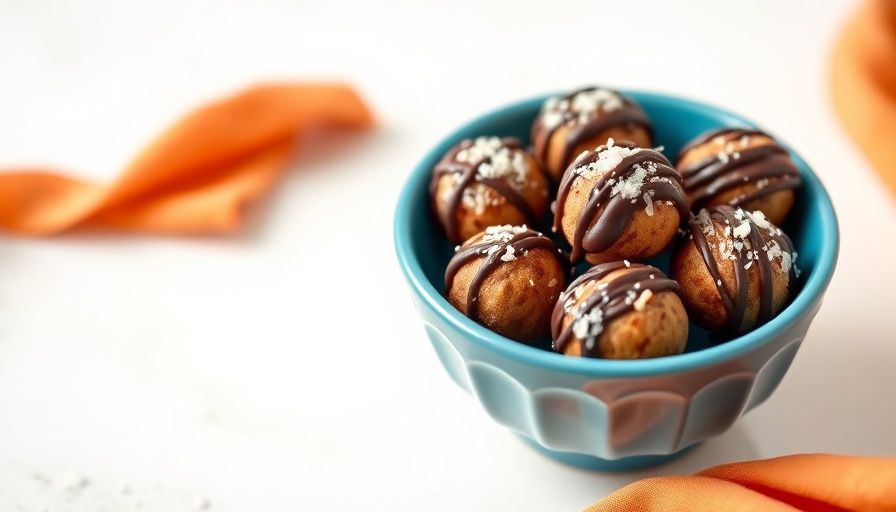
Delicious healthy late-night snacks in a blue bowl.

Snack Smart: Late-Night Choices for Better Sleep

As the sun sets and nighttime cravings creep in, it's easy to reach for snack foods that could disrupt your sleep cycle. However, healthy late-night snacks—rich in nutrients and comforting flavors—can actually help ease you into a restful slumber. Whether you’re feeling a touch peckish after dinner or simply want a little something to enjoy while unwinding, these choices will not only satisfy your taste buds but also nurture your body. Here’s a collection of some delicious and nourishing late-night snacks that you can prepare in a pinch.

Frozen Strawberry Yogurt Bites

Coping with cravings has never been more delightful! These frozen bites bring together the creamy goodness of Greek yogurt and the natural sweetness of strawberries, allowing you to indulge your sweet tooth without added sugars. Greek yogurt is also a source of tryptophan, which can help foster a sense of calm and encourage better sleep.

Cottage Cheese with Berries and Cinnamon

Cottage cheese serves as a powerhouse of slow-digesting casein protein, perfect for stabilizing blood sugar levels overnight. Enhance it with vibrant berries and a sprinkle of cinnamon for added flavor and an antioxidant boost. This snack is particularly satisfying and promotes relaxation before bedtime.

Crispy Raw Veggies with Hummus

A light and crunchy snack, raw veggies such as carrot sticks or cucumber slices paired with creamy hummus can be both filling and nutritious. Hummus, made from chickpeas, is loaded with magnesium and tryptophan, which are often linked to improved sleep quality. Pairing your veggies with hummus ensures a delicious way to top off the day.

No-Bake 5-Ingredient Protein Balls

Quick and simple to prepare, these no-bake protein balls combine wholesome ingredients like dates, nut butter, and your choice of protein powder. Rich in fiber and healthy fats, they keep your blood sugar steady, ensuring you get adequate energy levels without the sugar crash.

Sliced Banana with Almond Butter

For a satisfying combo, slice up a banana and slather it with almond butter. Bananas are known for being rich in potassium and magnesium, which are vital for muscle relaxation. Paired with the healthy fats found in almond butter, this snack is both nutritious and calming.

Golden Turmeric Milk

This warm, spiced drink is a superb way to wind down at night. With the goodness of turmeric, cinnamon, and ginger, golden turmeric milk not only helps combat inflammation but also promotes relaxation. A drizzle of honey can add just the right amount of sweetness!

Cucumber Everything Bites

Take cucumber slices to the next level by topping them with cream cheese and a sprinkle of everything bagel seasoning. This refreshing and low-carb snack feels indulgent, yet it's light enough to enjoy without fear of disturbing your sleep.

The Importance of Late-Night Snacks for Sleep

Understanding the connection between what you eat and how well you sleep is crucial for health-conscious individuals. Late-night snacking doesn't have to be detrimental; choosing the right foods can support relaxation and stabilize blood sugar levels, allowing you to drift off peacefully. As we learn more about nutrition and its effects on our body, being selective about late-night snacks aids in living a healthier lifestyle while ensuring restful slumber.

Making Informed Snack Choices

Always remember that late-night cravings can be addressed with mindful and nutrient-dense options. With these healthy snacks, you can transform tempting late-night eating into a positive experience that nurtures your health and well-being. It's all about making informed choices that align with your goals for better sleep and overall wellness.

In conclusion, these simple yet impressive late-night snacks can prevent harmful cravings and enhance your nighttime routine. Take a moment to stock your kitchen with these wholesome options, and enjoy a peaceful night’s sleep. Your body—and mind—will thank you!

Nutrition

41 Views

0 Comments

Write A Comment

*
*
Please complete the captcha to submit your comment.
Related Posts All Posts
05.21.2026

Unlocking Radiant Skin: The Impact of Nutrition on Skin Care Products

Update Understanding Skin Care: A Nutritional Perspective In today’s world, skin care is often approached through the lens of beauty and aesthetics; however, a more holistic perspective recognizes the direct link between diet and skin health. As we delve into the science of skin care products, it’s crucial to consider how our diets influence our skin’s appearance and resilience. From vibrant pigments to hydration, the nutrients we consume play an instrumental role in how our skin reacts to environmental stressors.In 'Skin Care Products', the discourse highlights how our dietary habits significantly affect our skin, prompting us to investigate the relationship between nutrition and effective skincare. The Role of Nutrients in Skin Health Studies have shown that various nutrients contribute significantly to skin integrity. Vitamins A, C, and E, for instance, are antioxidants that protect the skin from oxidative stress caused by free radicals. Vitamin A aids in skin cell production, while Vitamin C helps in collagen synthesis—essential for maintaining skin structure. Additionally, Omega-3 fatty acids found in fatty fish have anti-inflammatory properties that can combat skin sensitivity and conditions like acne. Common Misconceptions in Skin Care There’s a prevalent myth that using more skin care products guarantees better results. In reality, the effectiveness of products can often hinge more on their ingredients rather than the quantity used. Overloading your skin with multiple products can lead to irritation or breakouts, counteracting the desired effects. Instead, understanding the ingredients and combining them thoughtfully can yield better outcomes. Connecting Diet and Skin Care Research highlights the importance of a balanced diet rich in antioxidants, healthy fats, and hydration. Foods high in sugar can exacerbate acne, while those rich in fiber and lean proteins support overall wellness. By improving your diet, you can not only see but feel the difference in your skin health. Innovative skin care regimens are increasingly integrating nutritional science, reflecting a growing acknowledgment that what we eat is mirrored in our skin. Practical Tips for Enhancing Skin Quality To promote better skin health, consider incorporating foods rich in flavonoids and antioxidants like berries, nuts, and green tea into your daily routine. Additionally, staying hydrated can significantly improve skin moisture and elasticity. Instead of only relying on topical solutions, complementing your regimen with nutritious food intake can optimize your skin health in a more sustainable way. Diverse Perspectives on Skin Care Trends The market for skin care products is overflowing with options, yet many consumers overlook the fundamental aspects of skin nourishment that begin in the kitchen. Emerging trends emphasize minimalistic routines that focus on quality ingredients over sheer quantity. This shift encourages consumers to re-evaluate their skin care approach and recognize the overarching influence of diet on skin health. Conclusion: A Call for Holistic Appreciation As you embark on your skin care journey, remember that enhancing your diet can serve as a powerful complementary approach to topical treatments. Understanding the interconnectedness of nutrition and skin health not only empowers you with knowledge but also engenders a more sustainable lifestyle choice. By prioritising a nutrient-rich diet alongside your skincare routine, you can unlock the secret to radiant skin from within. For those looking to further their understanding of how diet can influence skin health or who wish to adopt a well-rounded approach to wellness, consider exploring resources on nutrition education and consulting with experts in the field.

05.21.2026

The Hidden Design Behind Why Some Snacks Are So Hard to Stop Eating

Update Understanding the Allure of Processed Snacks Have you ever sat down to enjoy a bag of chips or cookies and found yourself consuming far more than you intended? If you can relate, you’re not alone. Increasing evidence suggests that certain ultraprocessed foods are specifically engineered to encourage overeating, making it challenging for many to stop once they start. What Makes Snacks Hard to Resist? Food scientists create snacks that are hyperpalatable—a term used to describe the combination of sugar, salt, fat, and artificial additives that lead to a rewarding experience for our taste buds. This combination is common in processed foods, such as chips, cookies, and candy. These products not only taste great, but they also activate reward pathways in the brain, causing us to crave more. Unlike whole foods, which can provide natural satiety signals and leave you feeling satisfied, ultraprocessed snacks often do the opposite. A study conducted by NIH found that participants consuming an ultraprocessed diet consumed an average of 508 calories more per day than those on a minimally processed diet despite both diets having similar nutritional content. The Brain’s Reaction to Ultraprocessed Foods According to health experts like Dr. Hussein Yassine, the way ultraprocessed foods interact with our brain’s appetite control mechanisms can lead to increased food intake. Research has shown that up to 100% of binge-eating episodes reported by people with eating disorders involve ultraprocessed foods, illustrating their powerful effect on appetite and satisfaction. These snacks can disrupt our natural hunger signals, making it easy to eat larger portions without even realizing it. When paired with our fast-paced lifestyles, the temptation to reach for a bag of chips instead of preparing a more wholesome meal becomes even stronger. Simple Changes to Curb Overeating It’s not necessary to eliminate snacks from your diet entirely, but making mindful changes can significantly help control overeating. One effective strategy is portioning snacks into a bowl instead of eating directly from the packaging. This small change can create a moment of pause, allowing you to recognize how much you're consuming. Filling snacks are another great option. Pair your favorite crunchy foods—like chips—with more nutritious sides such as guacamole, cheese, or hummus. This way, you nourish yourself while still enjoying the treat. Understanding your unique "keep going" foods can empower you to make informed choices without guilt or shame. The Importance of Awareness in Snack Choices Ultimately, acknowledging how ultraprocessed foods can warp our concept of fullness is essential. Instead of allowing ourselves to succumb to feelings of guilt about cravings, we can tackle our snack choices with increased awareness and strategy. Healthy meal planning, filled with whole foods, can reduce intense snack cravings later. As we engage in the broader conversation surrounding food and dietary choices, recognizing the significant roles of these ultraprocessed snacks in our eating behaviors will empower us to reclaim control over our diets. Take Charge of Your Eating Decisions Understanding the engineering behind ultraprocessed snacks provides not only context for our experiences but also offers practical strategies to enhance our well-being. Choosing to swap out ultraprocessed options for more wholesome, fulfilling alternatives can lead to a more intentional and health-conscious eating experience. Have you ever tried to put down a bag of your favorite chips? By recognizing your habits and making small changes, you can take charge of your eating decisions, ultimately fostering a more balanced relationship with food.

05.19.2026

How Eating One Orange Daily Can Lower Hip Fracture Risk

Update The Impact of Nutrients on Bone Health The idea that one simple food could have a profound effect on bone health seems almost too good to be true. However, emerging research suggests that the nutritional profile of oranges, particularly their vitamin C content, might play a significant role in maintaining bone integrity. Vitamin C is known for its antioxidant properties, which help mitigate oxidative stress that can lead to bone degradation. Studies indicate that a diet rich in vitamin C can enhance the formation of collagen—the protein that forms the structure of bones—ultimately fostering stronger bones and potentially reducing the risk of fractures.In Can one orange a day lower hip fracture risk? #osteoporosis, the video addresses the surprising link between daily orange intake and bone health, prompting us to delve deeper into this vital conversation. Social and Cultural Relevance of Healthy Eating In our fast-paced society, the conversation around osteoporosis and bone health often takes a back seat in discussions about nutrition. Yet, for populations at risk—like the elderly—incorporating nutrient-rich foods like oranges could make a substantial difference. Social connections often influence our dietary choices; thus, encouraging community-based initiatives could help promote awareness about the importance of bone health. Hosting local workshops that focus on dietary education around foods beneficial for osteoporosis, including citrus fruits, can engage communities in making healthier choices. Understanding Osteoporosis: A Broader Perspective Osteoporosis, often termed a silent disease, can remain undetected until a fracture occurs, leading to significant health complications. The understanding of this condition extends beyond just dietary choices to encompass lifestyle factors like exercise and overall health management. While oranges can play their part, it’s also vital to discuss this chronic disease in the context of comprehensive health strategies. Regular weight-bearing exercises, alongside dietary practices, form a robust defense against bone density loss. Actionable Insights: Incorporating Oranges into Your Diet Integrating oranges into one’s diet can be both enjoyable and beneficial for bone health. Beyond simply eating them whole, consider integrating them into smoothies or salads, or even as a natural sweetener in dressings. By making oranges a staple, you not only enjoy their taste but also boost your intake of vital nutrients. Experiment with blending oranges into refreshing smoothies combined with leafy greens and other fruits for an invigorating health boost. These small dietary shifts can lead to significant health improvements over time. Future Trends: Food and Health Insights Looking to the future, the intersection between diet and health will likely become increasingly essential as the population ages. We can expect more research focusing on how specific foods contribute not only to individual health but also to broader public health considerations. Understanding how a single orange can play a role in reducing hip fracture risk opens the door for innovative dietary recommendations and public health policies. As consumers, remaining informed about these discussions is vital in making educated choices about our nutrition. In Can one orange a day lower hip fracture risk? #osteoporosis, this topic is explored deeply, raising intriguing questions about our dietary choices and health. By analyzing such topics, we are encouraged to rethink our nutritional habits and how they impact our long-term well-being. Through a nuanced understanding of food’s role in health, we can make more informed choices that benefit our bodies and communities.

Terms of Service

Privacy Policy

Core Modal Title

Sorry, no results found

You Might Find These Articles Interesting

T
Please Check Your Email
We Will Be Following Up Shortly
*
*
*