
Add Row
Add Element
cropper
update

{COMPANY_NAME}

Drink Me Healthy - logo
update
Add Element
  • Home
  • Smoothies
    • Healthy Smoothies
    • On-the-Go
    • Savory Smoothies
    • Low Calorie Smoothies
    • Weight Loss Smoothies
    • Treat Smoothies
    • Smoothies for Diabetes
    • Energy Boost
    • Reduce Belly Fat
    • Detox
  • Health & Fitness
    • Blenders & Blending
    • Community
    • Fitness
    • Health Matters
    • Immunity
    • Juicing
    • Lifestyle
    • Nutrition
Add Element
  • Drink Me Healthy on Facebook
    update
  • Drink Me Healthy on X
    update
  • update
  • update
  • update
  • update
  • Drink Me Healthy on Instagram
    update
June 21.2016
2 Minutes Read

[Recipe] That Fat-Free Dressing is Robbing Your Body of Nutrients

That Fat-Free Dressing is Robbing Your Body of Nutrients


You’ve heard that a spoonful of sugar helps the medicine go down, right? Well, something similar is required to help us absorb Vitamins A, K, E and D from our vegetables and food: ‘a spoonful’ of fat.

I’m not saying, however, we have free rein on deep-fried foods. Unfortunately the ‘spoonful’ is not clearly defined, although it’s thought approximately 6 grams (approx. 1 tsp) of fat may be a good guide.

Reporting a nutritional study, WebMD says …

Eating your salad or carrot sticks with a little fatty salad dressing may actually be better for your health than pouring on the fat-free stuff.

A new study shows that eating fresh vegetables with a little fat, such as oil-based salad dressings or cheese, helps the body absorb valuable nutrients found in vegetables, such as lycopene and beta-carotene, which have been shown to help prevent heart disease and cancer.

In contrast, eating a salad without any fat in it may deprive your body of these healthy nutrients, which are known as carotenoids.

Some nutrients, including vitamins A, K, E and D, and various minerals are fat-soluble which means we need fat for our body to be able to absorb them.

Just another reason to make sure we eat a varied diet.

And everything in moderation.

So perhaps we have license to add a little full-fat sour cream, cream cheese or maybe a little coconut oil to that dip and raw veggies we’re having for lunch, lol! Or in this case, to our smoothie recipe!

We’ve spoken before about including healthy fats in our smoothies. That was to help prevent blood sugar spikes. Well now we have another reason to make sure we include them in our green smoothies.

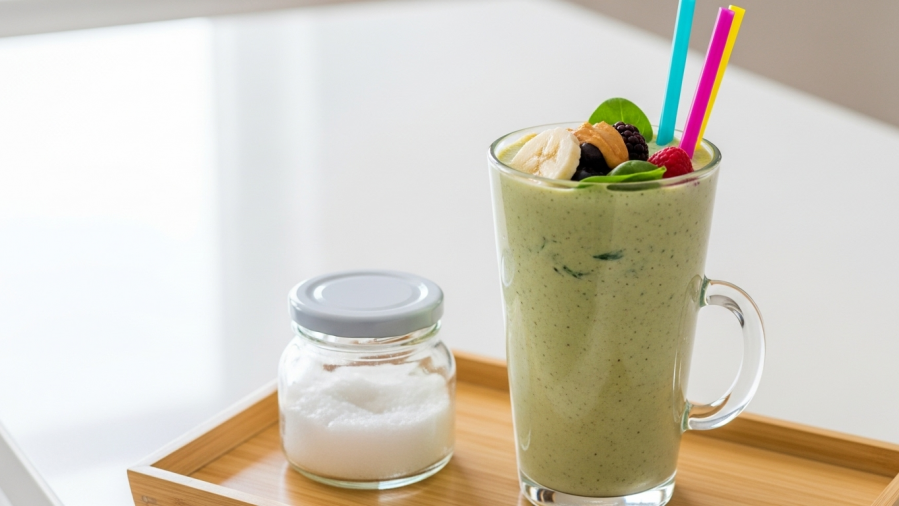
We have a simple smoothie recipe from Dana the MinimalistBaker that includes some healthy fat to help your body absorb the fat-soluble nutrients it needs.


Recipe: Healthy-Fat Smoothie

Serves 1

Ingredients:

  • 1 medium Banana, frozen

  • 1/2 cup mixed Berries, frozen

  • 1 Tbsp Flaxseed, ground

  • 1 heaping Tbsp natural, salted Peanut Butter, OR Almond Butter

  • 1/2 – 3/4 cup unsweetened vanilla Almond Milk, OR Milk of your choice plus 1/2 tsp Vanilla Extract

  • 2 cups fresh Spinach*

Blend until smooth and enjoy.

* Spinach is an excellent source of Vitamins K, A, E – all fat-soluble – C, B1 and B2 as well as many other nutrients.


Source: WebMD

Recipe Source: MinimalistBaker

Photo: DrinkMeHealthy


Health Matters Healthy Smoothies

37 Views

0 Comments

Write A Comment

*
*
Related Posts All Posts
01.03.2026

Exploring Mosquito Repellents: Is DEET the Best Option for You?

Update Why Mosquito Repellents Matter: Understanding Public Health Mosquitoes rank among the most formidable challenges to public health worldwide, implicated in the spread of diseases such as malaria, dengue fever, and Zika virus. With an estimated 700 million people infected with mosquito-borne illnesses each year, understanding effective mosquito repellents, along with their advantages and disadvantages, has never been more crucial.In 'Friday Favorites: Repelling Mosquitoes - Is DEET the Best? What About Natural Alternatives?', the video delves into the effectiveness of various mosquito repellents, prompting a deeper analysis on the necessity of understanding these products for public health. DEET: The Controversial Standard DEET (N,N-Diethyl-meta-toluamide) has long been the gold standard for mosquito repellents due to its proven efficacy. However, many consumers grapple with its reported side effects, ranging from skin irritations to concerns over neurotoxicity. Despite these fears, DEET remains widely recommended by health professionals, particularly when protecting vulnerable populations from infectious diseases. Exploring Alternatives: Picaridin and Natural Solutions Picaridin is marketed as an effective DEET alternative. Unlike DEET, picaridin doesn't have an offensive odor and is less likely to irritate the skin. It has been shown to offer comparable protection against mosquitoes but often at a higher price point. Concurrently, there's a growing interest in natural repellents such as citronella and lemon eucalyptus oil, where users seek the purported benefits without the chemicals. The Science of Efficacy: What Research Says Numerous studies have evaluated the effectiveness of both artificial and natural repellents. Research indicates that while DEET and picaridin consistently outperform natural alternatives in duration and potency, the latter two options might benefit casual outdoor enthusiasts or those on a budget. For instance, citronella may deter mosquitoes for brief periods, but it requires frequent reapplication, complicating its practicality for prolonged use. Beyond the Repellent: Dietary Strategies for Mosquito Management The medical community is also investigating dietary choices as potential mosquito countermeasures. Although studies exploring whether garlic, bananas, or B-vitamins can ward off these pests are mixed, public interest persists. The anecdotal belief that eating garlic can repel mosquitoes underscores the importance of diversified strategies that blend topical repellents with smart dietary choices. Practical Tips for Choosing Effective Repellents When selecting a mosquito repellent, it’s essential to consider personal health, environmental factors, and the duration of exposure to mosquito-heavy areas. Here are some recommendations: Read labels carefully: Identify active ingredients and their concentrations to ensure you are choosing an effective product. Consider application frequency: Understand how long the repellent lasts and when you’ll need to reapply it, especially if you’re using natural solutions. Pair with protective clothing: Wearing long-sleeve shirts and pants can enhance the effectiveness of any repellent applied. Concluding Thoughts: Choosing Wisely for a Healthier Future As we navigate the diverse landscape of mosquito repellents, weighing DEET against natural alternatives is vital to informed choices. With proper knowledge, one can effectively protect themselves from the dangers posed by these pests without sacrificing health or comfort. You can explore this topic further and dive into the science of repellents to empower your decisions this summer.

01.03.2026

Hydration & Electrolyte Smoothie: Your Creative Recipe for Staying Energized

Update Stay Hydrated: The Power of Electrolyte Smoothies When it comes to hydration, water alone isn’t always enough—especially if you’ve been active or are out in the heat. Enter the electrolyte smoothie! Packed with flavors and nutrients, these smoothies are perfect for anyone looking to quench their thirst while also boosting their energy levels. Let’s dive into how you can make your own delicious electrolyte smoothie and why it’s a game changer! Tasty Hydration: A Simple Recipe Making an electrolyte smoothie can be super easy and fun! Here’s a simple recipe for a refreshing Hydration & Electrolyte Smoothie that you can whip up in minutes: 1 cup coconut water (for natural electrolytes) 1 banana (for potassium) ½ cup Greek yogurt (for protein and creaminess) ½ cup fresh spinach (for vitamins and minerals) 1 tablespoon chia seeds (for fiber and healthy fats) ½ cup ice cubes Simply blend all these ingredients until smooth, and you have a delicious drink that helps restore your electrolytes. For an added punch, sprinkle a little sea salt in there—that’s another way to boost your electrolyte intake! Why Electrolytes Matter Electrolytes like sodium, potassium, and magnesium play crucial roles in your body's hydration balance. They help regulate your body’s fluid levels and support muscle function, making them especially important after exercise. When you sweat, you lose not just water but these essential nutrients, which is why replenishing them is key! According to nutrition experts, electrolytes help retain fluid in your body, improve energy, and maintain heart health. Whether you’re an athlete or just enjoying a sunny day outside, keeping your electrolyte levels in check can improve your performance and hydration levels. Unique Ingredients to Try in Your Smoothies Feeling creative? Here are a few interesting additions you might consider for your electrolyte smoothies: Coconut Water: It’s loaded with potassium and makes the perfect base for smoothies. Spinach: This leafy green is a great way to sneak in extra nutrients without altering the taste much. Chia Seeds: These tiny powerhouses provide a source of fiber and omega-3 fatty acids. Herbs like Mint: Fresh herbs can add a refreshing twist to your smoothie. A Reminder to Stay Creatively Hydrated Next time you’re thirsty, consider whipping up an electrolyte smoothie instead of reaching for a sugary sports drink or just plain water. With so many flavor combinations possible, from fruity to herbal, you’ll be able to enjoy a refreshing drink that supports your hydration needs and tastes great! By incorporating different ingredients, you can also cater to specific dietary needs or preferences—making smoothies a versatile option for anyone looking to lead a healthier lifestyle. Try out these electrolyte smoothie recipes, and share your own favorite combinations with friends! Keep the conversation going and explore the many delightful flavors your blender can create!

01.03.2026

Explore the Exciting Food Trends for 2026 That Fit Your Busy Lifestyle

Update Food Trends for 2026: What to Expect and Why It Matters With each passing year, our culinary landscape evolves, and 2026 promises exciting changes in the world of food and beverages. Busy individuals—be it professionals, students, or parents—are especially keen on how these trends can fit into their fast-paced, health-conscious lifestyles. Let's dive into projected trends that marry convenience with nutritional value. The Gut Health Revolution: More Than Just a Fad One of the most anticipated trends for 2026 is the focus on gut health. We’ve already seen beverages like prebiotic sodas take the market by storm, but their popularity is only going to grow. Major brands, including Pepsi, are introducing gut-healthy options, demonstrating a significant cultural shift toward prioritizing digestive wellness. The Mayo Clinic has noted that the incidence of early-onset colon cancer is rising, which increases consumer awareness surrounding gut health. In our busy lives, convenience doesn’t have to come at the cost of well-being. Incorporating high-fiber foods like oatmeal, nuts, and seeds can be a simple yet effective strategy to maintain robust gut health. Nostalgia on a Plate: The Comfort of Retro Foods Food nostalgia is another trend set to rise in 2026, affecting everything from product packaging to marketing strategies. Brands are capitalizing on our longing for simpler times through partnerships and limited-time offerings that evoke memories, like Taco Bell’s nostalgic menus. It's a way for companies to tap into emotions while offering convenient snacks. With the hustle and bustle of everyday life, bringing a bit of childhood joy to our meals can elevate our spirits while fulfilling our need for quick, comforting options. Fiber-Maxing: Why It’s Becoming Essential Increasing fiber intake is not just a trend; it’s a dietary imperative, as outlined in predictions from the Innova Market Insights. Look out for products tagged with fiber-forward labels in 2026. With the burgeoning interest in gut health also comes an increase in fiber-rich foods like whole grains, fruits, and vegetables, promising healthier options for the on-the-go individual. This is not merely a call to consume more fiber but a movement geared toward an overall enhancement of gut microbiome health, which can play an essential role in preventing serious health issues. The Rise of “Freezer Fine Dining” In a world where convenience is key, Whole Foods' prediction of “Freezer Fine Dining” will resonate well with busy consumers. Imagine upscale meals that can be prepared quickly, even at home. With gourmet frozen options available, anyone can enjoy relaxed dinners without the typical wait times. Busy lives deserve delicious, high-quality meals without the fuss, and advancements in preservation technology are making this possible. Indulgence Without Guilt: Sweet, But Mindful Choices As we move into 2026, the trend towards mindful indulgence will capture the attention of health-conscious consumers. Collagen-infused snacks and innovative desserts crafted from date caramel are examples of how sweetness can be enjoyed alongside nutrition. This is especially appealing for those of us who crave something sweet but want to keep our health on track. Transforming traditional sweets into healthier versions fits seamlessly into busy lifestyles. Making Meals Personal: The Me-Me-Me Economy Dining preferences are increasingly prioritizing individuality, dubbed the “Me-Me-Me Economy.” We have witnessed a rise in solo dining options that cater to personal tastes. This is not just a reflection of lifestyle changes but also a way to ensure that meals are genuinely enjoyable rather than compromises. Customized bowls and personalized meal kits are set to rise, enabling busy individuals to satisfy their cravings while adhering to their busy schedules. Investing in Aesthetics: Kitchen Couture The aesthetic appeal of food packaging, known as “Kitchen Couture,” will gain traction in 2026. Visually striking products can ignite excitement around meals, making boring meals look delicious. For busy individuals, having attractive packaging means their daily nutrition can still feel special, even in a rush. In conclusion, 2026 is shaping up to be a transformative year for food lovers and busy individuals alike. These trends not only emphasize convenience but also highlight the importance of health and well-being. So as we stock our kitchens this year, let's embrace what’s new while being mindful of our health. Learning more about these food trends can help us make informed choices that fit our fast-paced lives.

Image Gallery Grid

Terms of Service

Privacy Policy

Core Modal Title

Sorry, no results found

You Might Find These Articles Interesting

T
Please Check Your Email
We Will Be Following Up Shortly
*
*
*