
Add Row
Add Element
cropper
update

{COMPANY_NAME}

Drink Me Healthy - logo
update
Add Element
  • Home
  • Smoothies
    • Healthy Smoothies
    • On-the-Go
    • Savory Smoothies
    • Low Calorie Smoothies
    • Weight Loss Smoothies
    • Treat Smoothies
    • Smoothies for Diabetes
    • Energy Boost
    • Reduce Belly Fat
    • Detox
  • Health & Fitness
    • Blenders & Blending
    • Community
    • Fitness
    • Health Matters
    • Immunity
    • Juicing
    • Lifestyle
    • Nutrition
Add Element
  • Drink Me Healthy on Facebook
    update
  • Drink Me Healthy on X
    update
  • update
  • update
  • update
  • update
  • Drink Me Healthy on Instagram
    update
June 22.2016
2 Minutes Read

[Recipe] Tart Cherry Anti-Inflammatory Smoothie


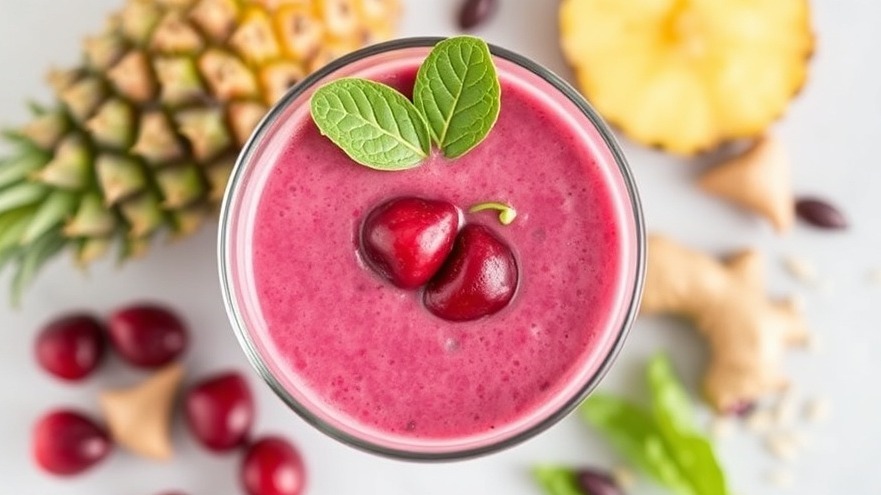
Tart Cherry Anti-Inflammatory Smoothie

Our bodies were created with various self-protection mechanisms. For example: Inflammation is there to remove harmful stimuli and begin the healing process; it is part of the body’s immune response. And we don’t want to interfere with that.

However, sometimes inflammation can cause further inflammation; it can become self-perpetuating. More inflammation is created in response to the existing inflammation.

It’s a complicated business.

A report from MedicalNewsToday points out that patients should be monitored closely when therapies to combat inflammation are used to make sure that the benefits of inflammation are not completely eliminated …

Neuroscientists at the Lerner Research Institute at the Cleveland Clinic in Ohio found that inflammation actually helps to heal damaged muscle tissue. Their findings clash with how sportspeople with inflammation are treated – health professionals always try to control the inflammation to encourage healing. The researchers say their findings may lead to new therapies for acute muscle injuries caused by freeze damage, medications, chemicals and trauma.


One of the Causes of Inflammation and How our Diet Can Help

Vitamin A deficiency can cause inflammatory response. Our low fat diets of recent years may have increased this risk as Vitamin A requires fat to be absorbed by the body. See our post That Fat-Free Dressing is Robbing Your Body of Nutrients

So how can diet help?

MedicalNewsToday says that ginger and turmeric have good anti-inflammatory properties and reports that …

… sports scientists found that tart cherries have powerful anti-inflammatory properties which may help millions of Americans who suffer from joint pain and arthritis. The team, from Oregon Health & Science University even went as far as saying that “(tart cherries) have the highest anti-inflammatory content of any food”. They believe that tart cherries could help patients with osteoarthritis manage their pain effectively. Twenty females aged from 40 to 70 years drank tart cherry juice twice a day for three weeks; they all suffered from inflammatory osteoarthritis. At the end of the three weeks there were significant falls in levels of key inflammation markers.


Recipe: Tart Cherry Anti-Inflammatory Smoothie

Serves 1

Ingredients:
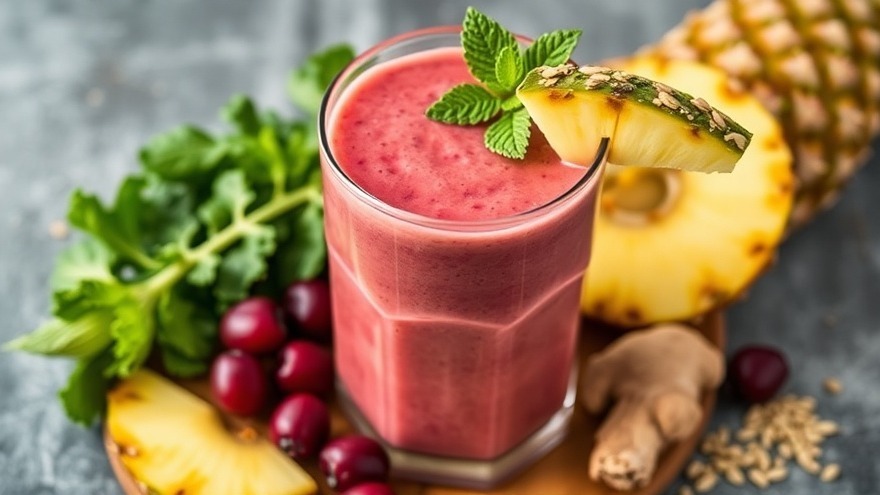
Tart Cherry Anti-Inflammatory Smoothie
  • ½ cup Pineapple, fresh or frozen

  • ¾ cup Tart Cherries, fresh or frozen

  • 1 tbsp hulled Hemp Seed Hearts (healthy fat)

  • 1 cup Coconut Water

  • 1 cup Kale (or Spinach)

  • Small knob of fresh Ginger (or ¼ tsp dried ginger)

  • Small knob of fresh Turmeric (or ¼ tsp dried turmeric)

  • 1 pitted Medjool Date (for sweetness, optional)

  • Optional: plant-based Protein Powder

Blend until smooth and pour into a glass. Stick in a straw and enjoy.


Source: MedicalNewsToday

Recipe Source: HummuSapien

Photo: DrinkMeHealthy.com


Health Matters Healthy Smoothies

42 Views

0 Comments

Write A Comment

*
*
Related Posts All Posts
01.10.2026

Unlock Hair Growth: Caffeine Shampoo and Rosemary Oil Insights

Update The Surprising Ingredients Boosting Your Hair Growth In the quest for beautiful hair, many individuals wade through an ocean of products, often left wondering what truly works. If you’ve watched Friday Favorites: Caffeine Shampoo and Rosemary Oil for Hair Growth, you’re likely intrigued by natural alternatives to enhance hair growth. This insightful video delves into effective natural topical treatments such as caffeine, pumpkin seed oil, and rosemary, underlining the role that several culinary herbs and supplements can play in hair health.In Friday Favorites: Caffeine Shampoo and Rosemary Oil for Hair Growth, the discussion delves into natural remedies for hair health, prompting an exploration of how these ingredients impact hair growth. Understanding the Power of Natural Ingredients It’s no secret that our diet affects our overall well-being, and this principle extends to our hair health. Ingredients like pumpkin seed oil and rosemary are not just culinary favorites; they carry properties that can nourish hair follicles and promote growth. For instance, caffeine has been shown in studies to stimulate hair follicles and counteract hair loss. This discovery has revolutionized the use of caffeine in hair products, elevating coffee from your morning cup to a crucial player in your hair care routine. Insights from Scientific Research Each ingredient discussed in the video is backed by mounting scientific evidence that encourages its use. Rosemary oil, traditionally used in cooking, has been linked to improved circulation to the scalp, potentially resulting in increased hair growth rates. Furthermore, pumpkin seed oil is rich in nutrients that assist in blocking harmful DHT (dihydrotestosterone) levels in the body, which are often associated with hair thinning. While anecdotal evidence continues to support these claims, numerous studies reinforce the effectiveness of these natural substances. Building a Hair Care Regimen Around Nature Incorporating natural treatments into your hair care regimen may seem daunting, especially with the multitude of options available. However, simplicity is key. For those drawn to DIY approaches, infusing essential oils like rosemary into carrier oils can offer both a therapeutic and nourishing scalp treatment. Alternately, considering store-bought products that emphasize natural ingredients can also be a step in the right direction. Keeping your ingredients list straightforward and natural could provide the profound impact on your hair health you’ve been seeking. Beyond Hair: The Holistic Benefits of These Ingredients Moreover, many of these ingredients come with additional health benefits that make them worthwhile beyond hair growth. For example, ginger possesses anti-inflammatory properties, which could provide soothing benefits to the scalp, while green tea is celebrated for its antioxidant content, promoting not only hair health but overall wellness. Thus, embracing these natural ingredients is an investment in your overall health. Engaging with the Nutritional Science Community This exploration of hair growth and nutrition doesn’t exist in a vacuum. Platforms like NutritionFacts.org provide a wealth of information and community engagement for those interested in the science behind healthy living. If you have questions or wish to explore further into the nutritional aspects of your diet and how they affect your hair, the community encourages you to participate actively by commenting or seeking out resources available through their vast library of research-based content. A Final Thought on Hair Care Choices The world of hair care is rich with possibilities, and the intersection of nutrition and hair health is a promising frontier. By aligning your treatment choices with the principles of nutrient-rich, natural ingredients detailed in Friday Favorites: Caffeine Shampoo and Rosemary Oil for Hair Growth, you’re not just nurturing your hair—you’re at the frontline of a broader lifestyle choice. For anyone grappling with hair health, exploring these options offers both hope and tangible pathways to improvement. To stay updated on the latest science-backed nutritional guidance, consider subscribing to NutritionFacts.org where you'll receive a wealth of knowledge aimed at empowering your dietary choices. Join the nutritional revolution today!

01.10.2026

Is My Smoothie Safe to Drink? Discover Risks & Best Practices!

Update Is Your Smoothie Safe? Understanding the RisksEnjoying a refreshing and healthy smoothie can be a delightful experience, but how do you ensure the ingredients you're blending are safe to consume? As smoothies gain popularity, it's crucial to understand the potential risks associated with fresh fruits and vegetables used in these drinks. This article extends community insights on smoothie safety and dives deep into what you should know before sipping yours.The Hidden Dangers of ProduceAccording to food safety experts, fresh produce, while nutritious, can harbor bacteria that lead to food poisoning. The CDC identifies that fruits and vegetables are among the top contributors to foodborne illnesses in the United States. For instance, melons can trap bacteria in their rough skin, which can be transferred to the flesh once cut. Washing your produce thoroughly with cold water is a recommended practice, and using vinegar can enhance the safety of your smoothies by reducing bacteria levels significantly.Microbial Safety in SmoothiesResearchers in Slovakia examined microbial safety by testing smoothies from various fresh bars for antibiotic-resistant bacteria. They found coliform bacteria, particularly prominent in green smoothies that often contain a higher proportion of vegetables. These findings highlight the importance of hygiene when preparing smoothies, as improper handling can lead to contamination. Consumers should be aware that even seemingly healthy smoothies can carry risks if hygiene protocols are not followed.Dealing with Toxic SubstancesNot all parts of our fruits and vegetables are safe to eat. While most seeds are harmless in small amounts, certain seeds and rinds can contain toxic compounds. Apples and cherries, for example, hold amygdalin, which can produce cyanide when consumed in large quantities. However, the amounts usually found in smoothies are considered negligible. It’s essential to be mindful of what goes into your blend – avoiding large quantities of potentially harmful parts can keep your smoothie both healthy and enjoyable!Preventative Measures for Smoothie LoversHere are some practical tips to ensure your smoothie is as safe as it is delicious:Always wash your fruits and vegetables thoroughly.Avoid pre-cut produce to minimize the risk of contamination.Store your smoothies properly and consume them shortly after preparation to avoid bacterial growth.If you're especially vulnerable (pregnant, elderly, or have compromised immunity), consider rinsing your produce in a vinegar solution.Exploring the Exciting World of SmoothiesThough there are some risks involved, smoothies can be a fantastic way to enjoy essential nutrients and flavors. Embracing creativity in combining different fruits and vegetables can lead to delightful taste experiences! As a community, we encourage the exploration of unique ingredients—just remember to keep food safety in mind.Take Action for Your Smoothie EnjoymentAre you ready to indulge in a smoothie that’s not just refreshing but also safe? By following best practices and keeping informed about your ingredients, you can enjoy newfound peace of mind. Join our community of smoothie lovers today, and share your thoughts and unique recipes for delicious and healthy smoothies!

01.10.2026

Unmasking Hidden Risks of Dietary Supplements: What You Must Know

Update The Dark Truth Behind Dietary Supplements When you stroll through the supplement aisle, it’s easy to become overwhelmed by rows of colorful bottles promising health and vitality. But for many, the truth is less than reassuring. The supplement industry often shrouds its practices in mystery, leading consumers to unknowingly expose themselves to hidden risks. While supplements can be beneficial, it’s crucial to know what lurks behind those enticing labels. What Does GRAS Really Mean? You may have come across the term “Generally Recognized As Safe” (GRAS) on a supplement label, suggesting a seal of approval. However, the reality is that this designation is self-regulated by the manufacturer. There’s no independent verification, which means questionable additives like dicalcium phosphate and silicon dioxide can easily pass under the radar, despite links to toxicity. The FDA’s Limited Authority Among the most alarming truths is the FDA's role (or lack thereof) in regulating supplements. They do not verify the purity, potency, or safety of supplements before they hit the shelves. This means manufacturers could claim anything about their products — including the potency of their ingredients — without facing consequences until serious injuries are reported. This regulatory gap can lead to consumers unwittingly taking harmful substances. Hidden Ingredients: What You Don’t See Matters Your daily multivitamin might do more than meet your vitamin needs. Manufacturers aren’t required to disclose everything used in the production process. This could include solvents, flow agents, or even heavy metals like lead or mercury — all potentially harmful substances that might reside in your supplement but never make it onto the label. Quality Control Issues in the Industry The lack of stringent quality controls leads to another concerning issue: discrepancies in manufacturing practices. Research indicates that many supplements contain different amounts of active ingredients than listed on the label — a dangerous gamble for consumers. In fact, a study reported that almost 90% of melatonin gummies were mislabeled. How to Vet Your Supplements So, how can you safeguard yourself? Knowledge is your best weapon. Look for supplements that have been certified by independent organizations like the U.S. Pharmacopeia. Checking for certification seals gives you some assurance that the product meets certain quality standards. Additionally, don't hesitate to do your research. Websites like the Dietary Supplement Ingredient Directory provide valuable information on specific ingredients, helping you decide which products are genuinely beneficial. Understanding Arsenic and Lead in Your Supplements Consumers often assume there's a rigorous standard for what can and cannot be included in their supplements. However, limits vary widely, and trace levels of toxic substances, such as arsenic and lead, are permitted. Understanding this allows you to make more informed choices, especially for kids or those with specific health concerns. Research these ingredients and seek out safer alternatives. Future Trends in Supplement Safety As the conversation around supplement safety grows, so too may legislation to tighten regulations. Consumers advocating for better oversight can lead to a healthier marketplace. Staying informed and pushing for accountability in this industry is essential for ensuring the safety of supplements. Take Control of Your Health Decisions Making informed choices about dietary supplements starts with understanding the risks. Don't shy away from asking questions about safety and efficacy. Reach out to health professionals, check reliable resources, and set high standards for your supplement choices. Empower yourself to navigate the supplement aisle wisely, and become an advocate for your health. For those eager to enhance their immune system and promote overall wellness, consider exploring whole foods and natural remedies. They can often provide the balance we seek without the hidden risks associated with many dietary supplements. Join in making informed decisions, and take charge of your health journey!

Terms of Service

Privacy Policy

Core Modal Title

Sorry, no results found

You Might Find These Articles Interesting

T
Please Check Your Email
We Will Be Following Up Shortly
*
*
*