
Add Row
Add Element
cropper
update

{COMPANY_NAME}

Drink Me Healthy - logo
update
Add Element
  • Home
  • Smoothies
    • Healthy Smoothies
    • On-the-Go
    • Savory Smoothies
    • Low Calorie Smoothies
    • Weight Loss Smoothies
    • Treat Smoothies
    • Smoothies for Diabetes
    • Energy Boost
    • Reduce Belly Fat
    • Detox
  • Health & Fitness
    • Blenders & Blending
    • Community
    • Fitness
    • Health Matters
    • Immunity
    • Juicing
    • Lifestyle
    • Nutrition
Add Element
  • Drink Me Healthy on Facebook
    update
  • Drink Me Healthy on X
    update
  • update
  • update
  • update
  • update
  • Drink Me Healthy on Instagram
    update
July 15.2016
2 Minutes Read

[Recipe] How to Get Maximum Benefit from the Food You Eat

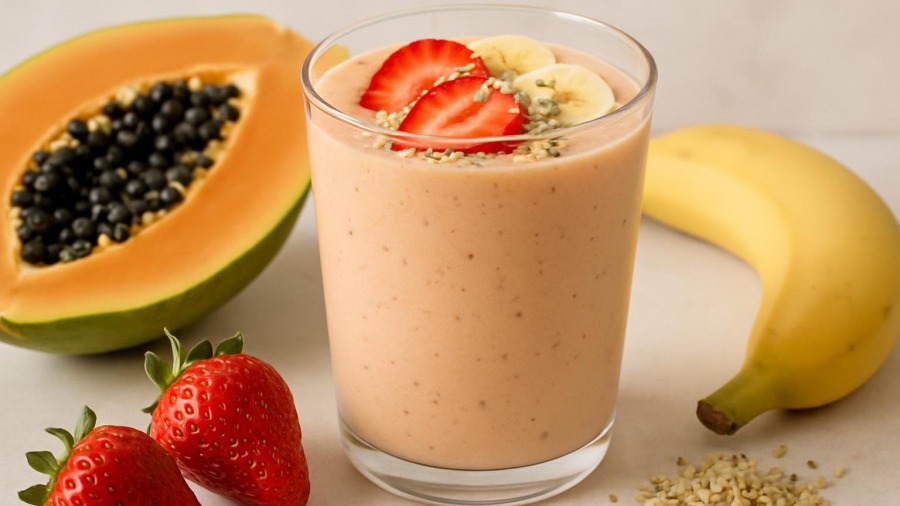
Papaya Kefir Smoothie

Our bodies cannot benefit from all the nutritious foods we eat if our guts are not in good working order

Prebiotics build helpful gut bacteria, improving gastrointestinal health as well as potentially enhancing calcium absorption. Examples of prebiotics include: avocado, bananas, onions, garlic, leeks, asparagus, artichokes, soybeans and whole-wheat foods

Probiotics repopulate the ‘good’ bacteria already found in the gut, boosting immunity and overall health. Examples include yogurt, kefir and aged cheeses.

Therefore adding banana to your yogurt is a win-win. Likewise adding banana or avocado to your smoothie. However, depending on what else you include, you may only want to add half a banana or a quarter of an avocado or the calories could be sky-high which would not be good for other aspects of your health.

The recipe below comes from DrAxe who says …

Did you know that papaya is great for digestion? The tropical fruit is loaded with enzymes and antioxidants that help the body detox and reduce inflammation. It’s also a super tasty ingredient for smoothies …


Recipe: Papaya Kefir Smoothie

Serves 2

Ingredients:

  • ½ cup Strawberries

  • 1 cup sliced Papaya

  • 1 Banana

  • 1 cup Coconut Kefir, or yogurt

  • 1 scoop vanilla bone broth Protein Powder*, or one of your choice.

  • sprig of Mint

  • ½ cup ice Water

Blend until smooth. Enjoy.


* If you prefer not to use protein powders then you can leave it out or use another protein source instead.

Other Sources of Protein

For example:

  • 1/4 cup oats = 6 grams protein

  • 1/2 cup cottage cheese = 12 grams

  • 1/2 cup quinoa gives 12 grams protein

  • add 2 cups of spinach and you increase your protein by another 10 grams.

These whole foods will also keep you feeling full longer than a powder.

You could also add a tablespoon of flaxseed for a healthy boost of omega-3 essential fatty acids that help feed the brain and keep it healthy.


Source: DrAxe

Photo: DrinkMeHealthy


Health Matters Healthy Smoothies

35 Views

0 Comments

Write A Comment

*
*
Related Posts All Posts
12.13.2025

The Shocking Truth: Are Multivitamins Helping or Hurting Your Health?

Update Are Multivitamins Really Living Up to Their Reputation?We’re often told that multivitamins act as a crucial safety net, offering us essential nutrients we might miss in our daily diets. However, when you dig deeper into the composition of these pills, you might be surprised by the reality. Instead of deriving nourishment from verdant fields and vibrant gardens, many multivitamins come from industrial processes that have little connection to nature.The Disturbing Truth Behind MultivitaminsMultivitamins, particularly the cheap and ubiquitous ones found in many supermarket aisles, are often synthesized from synthetic compounds derived from materials like coal tar, petroleum, and even industrial waste. This raises a significant question: how can these pills be marketed as healthy when they lack the essence of real food? Studies show that more than 98% of dietary supplements on the market are made from synthetic nutrients, and understanding this distinction is vital for health-conscious individuals who want optimal wellness.Natural vs. Synthetic: What’s the Difference?Natural nutrients are obtained from whole foods, rich in fiber and natural compounds that work synergistically to promote good health. In contrast, synthetic nutrients are manufactured in sterile laboratories. They might be cheaper to produce, but they often fail to deliver the same bioavailability—meaning, our bodies struggle to absorb them effectively. As Dr. Eric Berg notes, the structural differences and lack of the natural cofactors that accompany vitamins in whole foods can lead to poor assimilation in our bodies.Are Synthetic Vitamins Unsafe?There’s a growing concern over synthetic vitamins, not only regarding their efficacy but also their safety. Studies suggest that some synthetic exclusions may even increase the risk of serious health issues, including cancer and heart disease. The FDA doesn't review dietary supplements for safety, meaning that consumers are often unaware of potentially harmful additives that could be lurking in their supplements.Common Misconceptions About MultivitaminsOne of the biggest misconceptions is that all vitamins provide the same benefits regardless of their source. While synthetic Vitamins D and B12 might have similar names to their natural counterparts, their creation processes often diminish their benefits. For instance, vitamin C derived from real oranges offers far more than just ascorbic acid; it comes paired with other vital phytonutrients that support its effectiveness.Benefits of Choosing Whole Foods for NutrientsWhole foods are far more effective in preventing chronic diseases than isolated nutrients from supplements. Fruits, vegetables, nuts, and whole grains provide a rich tapestry of vitamins, minerals, and antioxidants that work together in the body. Higher consumption of these food groups is linked to lower rates of conditions such as heart disease, diabetes, and cancer. Instead of reaching for those shiny bottles of vitamins, consider incorporating more colorful produce into your daily meals.How to Choose the Right Supplements If NeededShould you find yourself needing to supplement your diet, be cautious. Opt for whole food-based vitamins whenever possible. Look for labels that indicate content derived from real food rather than chemical names. It might be tempting to save money with cheap options, but as the saying goes, 'you get what you pay for.' Investing in quality, natural supplements means investing in your health.Steps to Support Your Immune System NaturallyBeing proactive about your immune health can also come through lifestyle changes. Regular exercise, adequate sleep, and stress management play crucial roles. Integrating smoothies rich in greens, fruits, and healthy fats can elevate your nutrient intake without the risk associated with synthetic vitamins. Plus, who doesn’t love a delicious smoothie?In conclusion, while multivitamins may seem like a simple solution to ensure you’re getting sufficient nutrients, understanding their composition is essential. Prioritize whole foods and natural supplements to support your health, or reach for nature’s bounty—after all, a vibrant health journey starts with knowing what’s really in what we consume.

12.12.2025

Evaluating the Side Effects of Statins: Are They Worth the Risk?

Update Understanding the Dual Nature of Statins: Benefits and Risks Statins, medications renowned for their cholesterol-lowering properties, have become a focal point in discussions surrounding heart health. As explored in the enlightening video, "The Side Effects of Statins: Are They Worth It?", the benefits of statins for patients with known cardiovascular disease are clear—these drugs play a pivotal role in preventing second heart attacks and strokes. However, when it comes to individuals without prior cardiovascular incidents, the effectiveness and necessity of statins become murkier.In "The Side Effects of Statins: Are They Worth It?", the discussion delves into the benefits and risks of statin usage, shedding light on key insights that prompt further exploration. Insight into Adverse Effects: Are We Seeing the Entire Picture? Although the video presents compelling data suggesting that treating a large population can prevent severe cardiovascular events, the adverse effects associated with statins cannot be overlooked. For every 10,000 individuals treated, side effects such as muscle pain, liver and kidney dysfunction, and even vision problems emerged. This risk-to-benefit ratio becomes especially troubling when more than just physical health is considered. It prompts a vital question: are the medical trials accurately capturing the adverse effects? The Discrepancy Between Trials and Real-World Outcomes The discussion delves into alarming discrepancies between clinical trials and real-world results. Industry-sponsored studies are frequently critiqued for underreporting adverse effects, fostering a perception that statins are far less risky than they might actually be. The video highlights a substantial gap—while clinical trials indicate a low incidence of muscle symptoms, observational studies suggest rates could be 10 to 200 times higher. This raises concerns about transparency in pharmaceutical research and the importance of including patient experiences in clinical assessments. Not Just Muscle Pain: A Broad Spectrum of Side Effects Beyond muscle symptoms, statin users frequently report fatigue—a side effect notably absent from many clinical trial discussions. The revelations from non-industry-funded studies hint at a troubling reality, where nearly 40% of women on statins reported amplified fatigue. Such data underscore the need for a holistic approach to patient-reported outcomes, fostering a more nuanced understanding of statin therapy. Cognitive Effects: Challenging Myths and Misconceptions The initial fears regarding statins and cognitive impairment appear to have softened over time, with more recent research indicating no significant link. Nonetheless, the FDA had recognized such risks in the past, reflecting the evolving nature of our understanding. This highlights the importance of continual research to ensure patients are fully informed about the medications they consume. Statins and Alzheimer’s: A Silver Lining? Intriguingly, numerous studies suggest that statins may correlate with lower risks of Alzheimer’s and other dementias. The connection remains unclear—does the cholesterol-lowering property of statins directly impact cognitive health, or is it a reflection of general health behaviors among statin users? This emphasizes a critical insight: while pharmaceuticals play a role, lifestyle choices and dietary habits are pivotal in managing chronic conditions. Dietary Interventions: A Promising Alternative Research beckons for a discussion on dietary strategies, suggesting that lifestyle intervention may beat drugs in certain settings. For instance, studies reveal significant reductions in heart disease mortality from simple dietary changes rather than relying solely on medications. This reinforces the narrative that nutritional education should be at the forefront of public health initiatives, advocating for healthier dietary practices as alternatives to invasive pharmacotherapy. Taking Charge of Your Health Decisions As patients become more informed about the nuances of statin use, it becomes imperative to take charge of one’s health decisions. The discussions derived from the video present vital information for anyone considering statins, urging open dialogues with healthcare providers about personal health goals and preferences. Conclusion: The Path Forward In summary, the debate surrounding statins is far from black and white. While they do provide crucial benefits to those at risk for cardiovascular events, the significant risk of adverse effects must be carefully weighed. Ultimately, fostering a discourse that embraces dietary changes alongside medical interventions could pave the way for more effective and personalized health strategies.

12.12.2025

Why Your Favorite Green Smoothie Might Leave You Feeling Wired

Update Why Do Our Green Smoothies Sometimes Make Us Feel Wired? Many smoothie enthusiasts love whipping up refreshing green concoctions featuring kale and spinach, but some have noticed a side effect: feelings of anxiety and jitteriness. If you've ever finished a vibrant green smoothie only to feel more wired than energized, you're not alone. Certain ingredients could be playing tricks on your body, leading to unexpected outcomes. The Surprising Impact of Ingredients Many well-meaning smoothie makers often combine various leafy greens, fruits, and even protein powders, thinking they are crafting a healthful drink. However, while greens like spinach and kale are nutrient powerhouses, they can also harbor hidden health pitfalls. For example, cruciferous vegetables are known to contain goitrogens, plant compounds that can interfere with thyroid function. With altered thyroid levels, some people experience heightened anxiety and reduced moods. The Sugar Rollercoaster In addition to greens, many smoothies incorporate fruits for sweetness, which can create a sugar spike. Regularly consuming high-sugar smoothies can lead to energy crashes and affect mood swings. The potential for a sugar high followed by a crash exacerbates anxious feelings, making it important to balance out sugar with proteins and healthy fats. Hidden Dangers of Oxalates and Heavy Metals Moreover, many dark green leafy vegetables contain oxalates, substances that can contribute to kidney stone formation in some individuals. Studies suggest that excessive consumption of high-oxalate foods may also correlate with increased feelings of unease or tension. It's also worth noting that cruciferous vegetables can accumulate heavy metals, such as thallium, from the soil they grow in. Although trace levels in usually healthy foods often raise little concern, long-term exposure may lead to unpleasant health developments, raising red flags for regular smoothie drinkers. Navigate Your Ingredients Wisely Given these potential issues, what can you do? First, consider lightly steaming leafy greens before putting them in your blender—this can help reduce goitrogen levels and boost digestibility. Additionally, including low-oxalate greens like romaine lettuce or mustard greens offers a nutritious alternative that respects your gut's health. Listen to Your Body If you find your smoothie is resulting in less-than-pleasant side effects, it might mean your body is calling for adjustments to your recipe. Start experimenting with different ingredients, lowering oxalates, and incorporating more diverse nutrient sources. Understanding how food affects our mood and body can enhance our overall wellness journey, making it crucial to pay attention to our reactions after consuming even the ‘healthiest’ smoothies. So, while green smoothies can be delicious, be sure to listen to your body and adjust accordingly! Share Your Smoothie Secrets! Have you noticed any unusual effects from your smoothies? Join the conversation—share your creations, tips, and reactions with the community!

Terms of Service

Privacy Policy

Core Modal Title

Sorry, no results found

You Might Find These Articles Interesting

T
Please Check Your Email
We Will Be Following Up Shortly
*
*
*