cropper
update

{COMPANY_NAME}

Drink Me Healthy - logo
update
  • Home
  • Smoothies
    • Healthy Smoothies
    • On-the-Go
    • Savory Smoothies
    • Low Calorie Smoothies
    • Weight Loss Smoothies
    • Treat Smoothies
    • Smoothies for Diabetes
    • Energy Boost
    • Reduce Belly Fat
    • Detox
  • Health & Fitness
    • Blenders & Blending
    • Community
    • Fitness
    • Health Matters
    • Immunity
    • Juicing
    • Lifestyle
    • Nutrition
  • Drink Me Healthy on Facebook
    update
  • Drink Me Healthy on X
    update
  • update
  • update
  • update
  • update
  • Drink Me Healthy on Instagram
    update
August 29.2015
6 Minutes Read

Best 10 Weight-Loss Smoothie Tips, Ever?


Weightloss Smoothie as part of your Healthy Diet Regime

Something special for you today: 10 key tips for healthier, slimmer diet based on what you regularly drink – real “DrinkMeHealthy”!

This’ll be right up your street if you are a green smoothie lover or juicing fan, or anyone wanting more fruit & vegetables in their diet.

You’ll find here the 10 key tips followed by a video by John Kohler (discount juicer.com). so you can either read, or watch, or both!

Check out the tips below and let me know what you think.


Question: “Hey, what’s the best drink for weight loss?”

Answer: The best drink for weight loss is the drink that’s going to

  • feed

  • nourish

  • & hydrate your body

So forget all the canned, bottled juices and sodas.

Instead – juice your own fruit and vegetables to make the best weight-loss smoothie or juice drinks ever!

How should we do that? Read on to find out.


1. You’ll need a Juicer

On a recent episode of Dr Oz, a guest – Dr Joel Fuhrman – recommended eating a plant-strong diet – ie a diet that is very rich in fresh fruit and fresh vegetables.

A juicer allows you to do this – to literally concentrate and drink more fruits and vegetables than you’d probably be able to eat.

According to John ...

“the juicer is one of the ways that helped me to lose over 25 pounds. I was never really overweight but yes I was kind of getting up there, I’m now fit, trim and actually quite healthy – due to the juicer and all the fruits and vegetables I eat.”


2. Objection: But what if you don’t like how fruits and vegetables taste!

Well guess what? When you own your own juicer you get to make your own recipes – so you can add more things like fruits that’s going to make your juice taste really sweet and will actually hide some of the flavours of some of the greens or other vegetables that you may not like so much.

So rather than teach you how to make a specific recipe for weight loss, it’s much more useful for me to teach you guys how to eat a variety (literally juice a variety) of fruits and vegetables.


3. So what is the Anatomy of Making Your Own Fresh Juice?

It first starts with the recipe.

Just like baking cookies – you know every cookie always has flour, butter, eggs, maybe some sugar, and then some other things to make it special:

  • add chocolate chips to make chocolate chip cookies

  • add peanut butter to make the peanut butter cookies or

  • add macadamia nuts to make them macadamia nut cookies,

... but they all start with the standard base recipe.

Just the same, every juice should start with a standard base recipe.


4. Question: What are some of the vegetables that should be in your standard base juicing recipe?


  • Something like celery is nice and water-rich. it’s very high in electrolytes and really good for you.

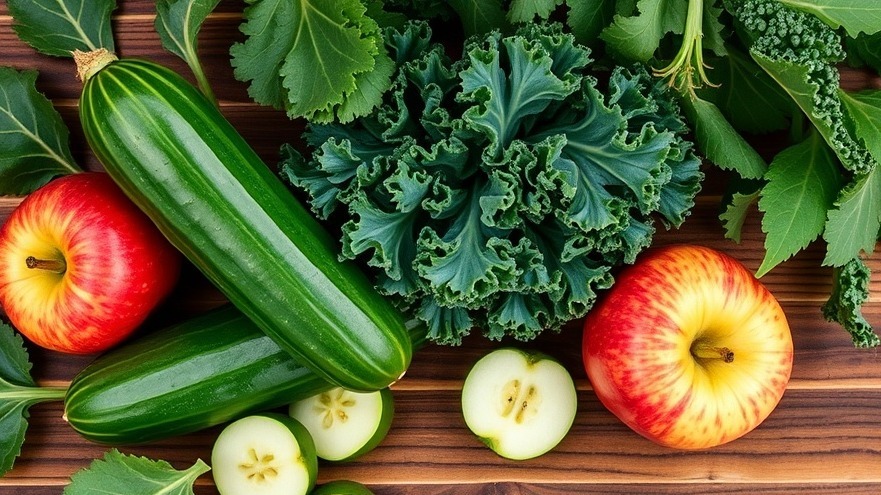
  • Cucumbers are also a water-rich fruit (although they are considered a vegetable)

  • Carrots are high in beta-carotene. Most carrots that you may be aware of are orange, but they also come in different colors such as purple, red and yellow. Try a variety of colors, especially heirloom carrots which are not quite as sweet but have a very nice flavour.

  • Apples also make a really good base juice. It’ll make your juice a little bit sweeter (if you’re not keen on your greens.)

  • Another item good for your juice base could be zucchini – this will add some nice liquid to the mix.

Once you’ve got your base down you want to add the extras & add-ons

  • the leafy greens – some collard greens, or of course you can use kale.


5. Aside: Leafy Greens?

The leafy green vegetables are the most nutrient-dense foods on the planet. But what does “nutrient-dense” mean? They contain the most nutrition per calorie of any food on earth.

Whereas you know something from McDonald’s, some potato chips or other junk food, are really calorie-dense, and guess what? Calories make you put on weight folks! Also, they are very nutrient-poor.

According to John,

If you eat a diet that is rich in nutrients, like the fruit and vegetable diet (especially when juicing them), you get all the nutrients you need, and your body will start shedding the pounds. That’s what happened to me, and I have no problem maintaining my weight – eating those wonderful foods found in nature.


6. Avoid Processed Foods

As foods are processed they gain density in calories i.e. high in calories and low in nutrients.

The closer you get to eating natural foods, you get more nutrients and less calories. So the leafy greens are really good to add.


7. Add Herbs

Besides leafy greens you’ve got some herbs. For example, cilantro and parsley. These are very nutritious. Some people claim that cilantro can actually help to detoxify the body of heavy metals.

Chard

Swiss chard is definitely recommended to add. It will add a nice salty flavor to your juice (if you miss the salt).

Broccoli

Mustn’t forget some broccoli!

There have been studies that show things like broccoli or sprouts have elements that can help avoid cancer. But also it’s a really good vegetable to juice.

You can also buy broccoli and cauliflower from a local farmers market, along with some collard greens.

Note 1: for those kind of ingredients you should only add in a few leaves to your juice. Otherwise they can really overpower the flavor of your juice – and some have really have strong flavours that you may not like.

Note 2: Most foods that are processed have added salt in them because salt is actually a really good preservative, and makes food taste good.

But guess what? That’s another thing, in my opinion, that also adds pounds to your waist line because it causes excess water weight.

Note 3: Water – another reason why juicing is so beneficial is because the water is all liquid! Our bodies are 70-75% water and when we drink or eat things that contain so much water, it hydrates us. When we are properly hydrated, the body can flush out all the excess water weight, and the mineral salts it doesn’t need.


8. What Proportions in the Mix?

Start out with about 75% of your glass as the base. Then the remaining 25% or so of some of the leafy greens to make it taste really good.


9. Juicing Equipment Suggested:

Equip 110.5 juice extractor – centrifugal ejection style juicer
– hi speed, quick and easy to use
– excels at juicing hard vegetables and hard firm roots
– less than $100?? PLUS 10-year warranty


10. Daily Cycle to Get Started:

Here’s the daily cycle John suggests:

  • Juicing for breakfast (replaces your normal breakfast)

  • Have normal lunch

  • Afternoon juice snack

  • Regular dinner

Want to watch John Kohler’s video then click “The Best Drink to Lose Weight Ever Discovered”


Note: this post is about Juicing Fruit & Vegetables

If you are interested in smoothies, you'll find hundreds on our website.

You will also need different tools, eg a high speed blender rather than a juicer.


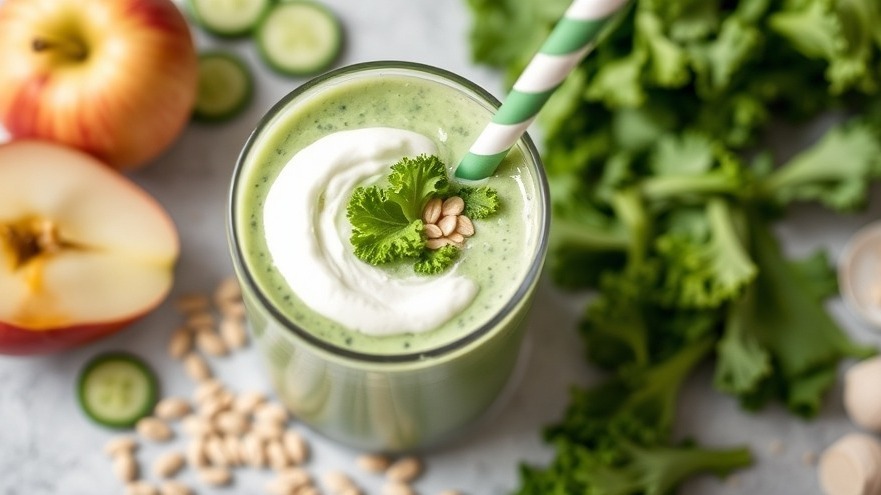
Sample Smoothie recipe based on these tips.

Weightloss Smoothie as part of your Healthy Diet Regime

Serves 1 as a meal-replacement smoothie


Ingredients:
Weightloss Smoothie as part of your Healthy Diet Regime

. 1/2 English Cucumber

. 2 cups Kale

. 1 Apple

. 1/2 cup Greek Yogurt

. 1/4 cup Oats

. 1 cup Water
Approximately 339 cals


Based on a video by John Kohler (discount juicer.com)

Photos: DrinkMeHealthy.com

If you enjoyed this post, thanks for spreading the love – Like it and Share it with your friends.

Health Matters Healthy Smoothies

54 Views

0 Comments

Write A Comment

*
*
Please complete the captcha to submit your comment.
Related Posts All Posts
04.22.2026

Discover The Best Places for Peppercorn-Crusted Steak and Creamy Mashed Potatoes

Update The Flavor Explosion of Peppercorn-Crusted Steak If you're someone who enjoys the potent flavor of a peppercorn-crusted steak, you're not alone! This preparation elevates the traditional steak experience, giving it a bold, spicy kick that many find irresistible. Peppercorn sauce, often drizzled over the steak, enhances the flavor and richness of the meat, making it a crowd favorite in fine dining establishments. For many diners, this unique flavor combination is what brings them back to their favorite steakhouses time and again. The Perfect Side: Creamy Mashed Potatoes No steak experience is complete without a delicious side. The creamy mashed potatoes that accompany these stunning steaks act as the perfect counterbalance to the peppery bite of the meat. Whether infused with garlic or simply prepared with butter and cream, the smooth texture of mashed potatoes provides comfort and indulgence. This harmony of flavors is why establishments like The Capital Grille tout their signature mashed potatoes, often prepared with a blend of red bliss potatoes, sweet cream, and butter. Top Steakhouses for Peppercorn-Crusted Steak Many upscale steakhouses have perfected their unique take on peppercorn-crusted steaks, making it difficult to choose just a few for our list. Here are five top choices that not only serve up mouthwatering peppercorn steak but also pair it with delightful mashed potatoes. The Capital Grille: Known for its Dry Aged Strip Au Poivre, the first bite is packed with flavor. The accompanying Sam's Mashed Potatoes are creamy and savory, making this meal a must-try. LongHorn Steakhouse: Their 7-Pepper Crusted New York Strip is thick-cut and fire-grilled, while the reviews of their mashed potatoes are praises for being steaming hot and deliciously creamy! Black Angus Steakhouse: Their Pepper-Crusted New York Strip features a bold and savory flavor profile paired with smooth, buttery mashed potatoes that require no gravy. Smith & Wollensky: Renowned for its classic Steak Au Poivre, their mashed potatoes are rich and buttery, providing the necessary comfort food element to the dish. Mastro’s Steakhouse: Featuring a luscious lobster mashed potato side, Mastro's takes it to another level; their 16 oz Pepper-Crusted New York Strip is a fine dining experience not to miss! Why You Should Try This Combination The combination of peppercorn-crusted steak and creamy mashed potatoes embodies the balance between bold and comforting flavors. This contrast not only enhances your dining experience but also encourages you to explore the rich culinary traditions associated with steakhouse cuisines. Whether you’re celebrating a special occasion or simply indulging in a delicious dinner, the marriage of these two dishes is timeless. The next time you crave a hearty meal, why not try making your own peppercorn-crusted steak at home? Paired with a side of creamy mashed potatoes, you can indulge in this luxurious culinary delight without ever needing to leave your kitchen!

04.22.2026

How Ultra-Processed Foods Could Cause Disease: Understanding Food Additives

Update The Hidden Hazards of Ultra-Processed Foods In recent discussions about nutrition, the term "ultra-processed foods" has surfaced as a key topic of concern among health advocates and researchers. Unlike traditional junk food, which primarily denotes items high in sugar, fat, and calories, ultra-processed foods encompass a wider range of products that may appear healthy but contain harmful additives. This distinction is vital as it compels consumers to reconsider their dietary choices and the long-term consequences of their food habits.In 'How Ultra-Processed Foods Could Cause Disease: Food Additives', the discussion dives into the significant health implications of combining ultra-processed foods with additives, prompting a deeper analysis on our end. Understanding Ultra-Processed Foods Ultra-processed foods are typically characterized by ingredients that would not generally be used in home cooking, such as artificial flavors, preservatives, and emulsifiers. A prime example of this is Diet Coke, which is marketed as a zero-calorie alternative to sugary beverages. Despite being calorie-free, it contains controversial ingredients like aspartame and phosphoric acid, raising questions about their long-term health effects. Debunking the Myths It’s a common misconception that simply eliminating calories, fat, and sugar correlates with a healthy product. Nutritional profiles can be misleading; for instance, while a sugary drink packs calories, a diet soda laden with questionable additives may not. Studies have revealed that certain food colors and preservatives can trigger hyperactive behavior, especially in children. This emphasizes the necessity for consumers to be wary of what is not immediately visible on nutrition labels. Real vs. Processed: The Complex Landscape of Food Labels The debate about food classification is complex. Natural yogurts are often perceived as healthier compared to their sweetened counterparts, but what happens when artificial sweeteners are introduced? The emergence of widespread additives like benzoates and artificial colors invites scrutiny regarding their safety, particularly in frequency and dosage. For instance, Red Dye No. 3 has faced criticism and has been banned in cosmetics yet still remains permitted in food—a prime example of the discrepancies in food safety regulations. The Role of Regulatory Oversight Critics point fingers at the FDA, citing historical oversights such as the long-term approval of carcinogenic artificial flavors. While the FDA attempts to evaluate food additives meticulously, the reality is that some products remain on the market for decades before rigorous scrutiny leads to their eventual removal. This creates an alarming scenario where toxic substances could be ingested before their hazards are objectively verified, providing an urgent call for reform and stricter regulations. Implications for Public Health This debate extends beyond the mere existence of these foods; it touches the core of public health. The correlation between ultra-processed food consumption and chronic diseases, like heart issues and obesity, is gaining traction among nutritional scientists. An increasing body of evidence suggests that not only do these food combinations affect our gut microbiome, but they may also elevate risks associated with inflammatory bowel disease. The Future of Clean Eating The growing awareness around clean label foods—those made from simple, recognizable ingredients—highlights a shift in consumer preferences. The emphasis is on transparency and understanding what goes into our food. However, the industry is still grappling with the implications of food additives, calling for continual research and consumer education to mitigate health risks associated with ultra-processed diets. Taking Action: How You Can Be More Informed As consumers, the onus is on us to remain informed and vigilant about the products we choose. The growing body of research instills a greater responsibility to examine food labels critically and advocate for policies that promote healthier food environments. Consumers can support movements towards better food quality by choosing whole foods, engaging with community health initiatives, and demanding transparency from food manufacturers.

04.22.2026

Discover the Benefits of Frozen Cauliflower in Smoothies Today!

Update Don't Overlook Frozen Cauliflower: A Hidden Smoothie Gem If you're a smoothie lover and haven't tried frozen cauliflower yet, you're in for a delightful surprise. This under-the-radar ingredient can be your secret weapon for creating irresistibly creamy smoothies without adding any overpowering veggie flavor. The Creamy Texture You Crave Adding frozen cauliflower to your smoothie not only enhances its texture but also makes it thicker and creamier, similar to adding bananas or yogurt. Chef Abbie Gellman explains that this lovely veggie might just be the sneaky addition you need for a satisfying smoothie experience. With its neutral taste, frozen cauliflower allows the flavors of your favorite fruits and spices to shine through while also pumping up the nutrition. A Nutritional Powerhouse Cauliflower is packed with vitamins and nutrients like Vitamin C, Vitamin K, and dietary fiber, making it a fantastic addition to your smoothie routine. Not only does it blend beautifully, but it also helps you feel fuller for longer without the sugar crash that can come from fruit-heavy blends. So, you can enjoy a thick smoothie that is nutrient-rich and low in calories. Easy Prep for Your Next Smoothie Worried about the preparation? Don't be! You can either use store-bought frozen cauliflower or quickly make your own by steaming fresh florets slightly and then freezing them. This way, you can always have nutritious, portion-sized cauliflower ready to toss into your blender, making smoothie prep even simpler. What to Blend with Cauliflower Combining frozen cauliflower with sweet fruits can create delightful flavor combinations, keeping the “veggie smoothie” feeling at bay. Start with classics like bananas or berries and toss in some nut butter and protein powder to kick it up a notch. For instance, a chocolate peanut butter cauliflower smoothie can taste just like a decadent dessert while delivering a healthy punch. You won’t believe the health benefits! Time to Blend! Don’t be afraid to try frozen cauliflower in your next smoothie adventure. Think of it as preparing to surprise your taste buds. With all its benefits, this veggie is sure to become a staple in your smoothie-making from now on. Ready to try your hand at new smoothie flavors? Discover the joy of blending frozen cauliflower today and let your creativity soar in the kitchen!

Terms of Service

Privacy Policy

Core Modal Title

Sorry, no results found

You Might Find These Articles Interesting

T
Please Check Your Email
We Will Be Following Up Shortly
*
*
*