Add Row
Add Element
cropper
update

{COMPANY_NAME}

Drink Me Healthy - logo
update
Add Element
  • Home
  • Smoothies
    • Healthy Smoothies
    • On-the-Go
    • Savory Smoothies
    • Low Calorie Smoothies
    • Weight Loss Smoothies
    • Treat Smoothies
    • Smoothies for Diabetes
    • Energy Boost
    • Reduce Belly Fat
    • Detox
  • Health & Fitness
    • Blenders & Blending
    • Community
    • Fitness
    • Health Matters
    • Immunity
    • Juicing
    • Lifestyle
    • Nutrition
Add Element
  • Drink Me Healthy on Facebook
    update
  • Drink Me Healthy on X
    update
  • update
  • update
  • update
  • update
  • Drink Me Healthy on Instagram
    update
September 10.2025
3 Minutes Read

Embrace Comfort and Health with Low-Sodium Soup Recipes

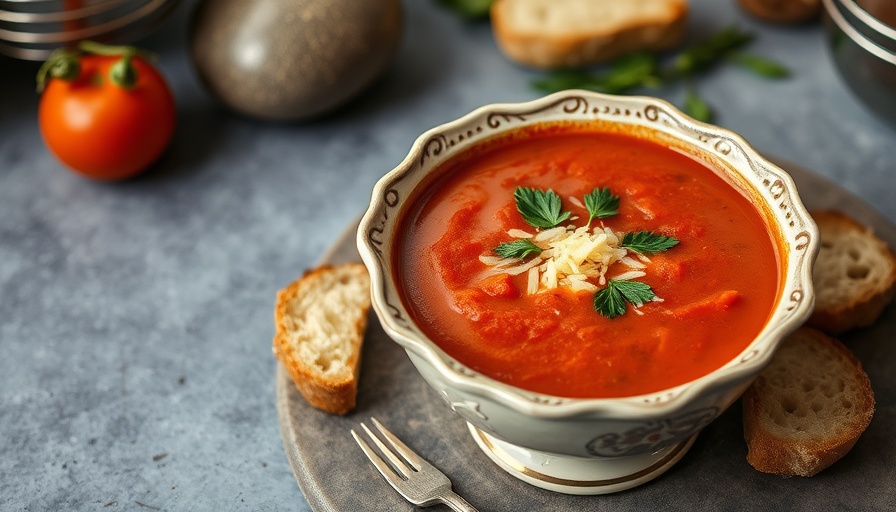
Delicious low-sodium tomato soup with fresh herbs and cheese.

Crafting Comfort: The Importance of Low-Sodium Soups

There's something innately comforting about returning home on a chilly evening and savoring a warm bowl of soup. While many soups are delicious, they often come with a hefty dose of sodium, which is not ideal for those mindful of their health. Today, we delve into the world of low-sodium soups, emphasizing comfort without compromising on flavor or nutrition. These recipes cater to health-conscious individuals, offering nutritious and quick options that seamlessly fit into busy lifestyles.

Divine Recipes for Cozy Evenings

Delicious and nutritious, our collection of low-sodium soup recipes is here to inspire your dinner routine!

1. Cozy Celery Soup: A Budget-Friendly Delight

This warm, vibrant celery soup proves that simple ingredients can create heartwarming meals. Centered around the often-overlooked celery, this recipe requires just six ingredients and takes only 30 minutes to whip up, containing approximately 566 mg of sodium. For a healthy balance, potatoes and onions round out the flavor profile, providing comfort without the salt overload.

2. Cream of Broccoli Soup: A Delightful Green Dish

Lovers of rich, creamy soups will fall for this cream of broccoli twist! With a combination of broccoli, garlic, and a touch of butter, this soup is satisfying and nutrient-rich. Bursting with folic acid and essential vitamins, it’s a bowl to lift your spirits as winter nights draw near. Opting for a splash of cream can enhance its richness without drowning it in sodium.

3. White Bean and Kale Soup: Health in a Bowl

This hearty offering combines the healthy goodness of white beans and kale, loading each serving with antioxidants and vitamins. With an aromatic base of onions, celery, and even butternut squash, this soup presents a delightful medley of flavors that doesn't rely on excessive salt for taste. For those craving a protein boost, consider adding lean ground beef—perfect for any season!

4. Homemade Chicken Noodle Soup: A Classic Reinvented

No cozy dinner list would be complete without chicken noodle soup. A homemade version offers an impressive alternative to store-bought varieties, typically laden with sodium. While a can often carries around 830 mg of sodium per serving, this homemade take allows you to control the quality and quantity of ingredients, ensuring a health-conscious centerpiece for your table.

5. Spicy Tomato Soup: A Kick of Flavor

For those craving a bit of heat, a low-sodium spicy tomato soup fits the bill perfectly. Tomatoes are brimming with vitamin C, and adding a hint of jalapeño pepper or chili flakes can transform your usual tomato soup into a dazzling dish that warms you from the inside out. A bit of garlic enhances the flavor profile without increasing the salt content.

Why Low-Sodium is Key for Health-Nutrition

It's crucial to make meals that are not just satisfying but also nourishing. High sodium levels can lead to various health issues, including hypertension. A diet rich in low-sodium options can help maintain your health, aiding in improved energy levels and overall well-being. Learning to cook low-sodium meals could empower you to take control of your dietary choices in a flavorful way.

Practical Tips for Cooking Low-Sodium Soups

  • Use Herbs and Spices: Elevate flavor without salt by using fresh herbs, spices, and aromatics in your cooking.
  • Incorporate Vegetables: Boost nutrition and flavor with a variety of vegetables; they deliver intense flavors naturally.
  • Online Resources: Many websites and platforms offer low-sodium recipes; don't hesitate to explore!

These low-sodium soups are a delightful way to bring comfort to your dining table without compromising health. Whether you're cooking for yourself or feeding your family, these recipes offer a myriad of flavors and health benefits.

Take Action: Dive into Healthy Cooking Today!

As you explore these low-sodium soup recipes, invite your family into the kitchen to share in the cooking process. Not only will you bond over preparing healthy meals, but you'll also set an example of mindful eating that reinforces wellness at home. Let these recipes inspire you to create wholesome, delicious meals that keep you and your loved ones feeling energized and satisfied. Happy cooking!

Nutrition

54 Views

0 Comments

Write A Comment

*
*
Please complete the captcha to submit your comment.
Related Posts All Posts
04.02.2026

Flushing Calories with Fiber: A Breakthrough for Weight Loss and Health

Update Fiber's Often Overlooked Role in Weight Management While fiber may seem mundane in the realm of nutrition, it plays a crucial role in how our bodies process calories and manage weight. Historically viewed merely as a solution to constipation, the narrative around fiber is shifting dramatically. Emerging research suggests that increasing fiber intake can lead to significant weight loss, especially among those with excess weight.In Flushing Calories with Fiber for Weight Loss, the discussion dives into the significant impact of dietary fiber on weight management, prompting deeper insights into its health benefits. Unpacking the Nutrition Science The first major review of dietary fiber and weight regulation demonstrated that the addition of just 14 grams of fiber per day resulted in an average weight loss of about 4 pounds (1.8 kg) over a span of roughly four months. In context, this isn't an overwhelming transformation, but for individuals struggling with weight, it can make a noticeable difference. Importantly, this is achievable by slightly increasing the intake of fiber-rich foods—approximately a quarter cup of beans or a bowl of oatmeal. For a population accustomed to insufficient fiber intake, this modification could lead to a 10% reduction in daily caloric consumption. How Fiber Changes Caloric Absorption One of the remarkable properties of fiber is its ability to affect how our bodies absorb calories. By increasing fiber intake, calories become ‘trapped’ as fiber enhances stool bulk. A typical American diet results in around 5% of calories being excreted, but a high-fiber diet can see that number double, trapping more calories and leading to lower absorption. This dynamic explains why, even while eating the same quantity of food, those on higher fiber diets may find it easier to lose weight. In practical terms, consider the calorie difference between drinking apple juice (fiber-depleted) versus eating whole apples (fiber-rich). Consuming juice can result in rapid caloric intake, while eating apples delays release and spikes satiety due to the need for chewing. The Weight of Fiber: A Caloric Trade-off Adhering to a higher-fiber diet does not merely mean a preference for whole grains over processed foods; it turns traditional calorie assumptions upside down. On a fiber-rich diet, the effective calorie counts per gram of protein, fat, and carbs decrease, illustrating how dietary choices can lead to more manageable weight levels without restricting intake. For example, gram for gram, protein's calories can shift from four to roughly 3.5 and the same trend follows for fats and carbohydrates. Such minor changes in calorie absorption could collectively prevent the gradual weight gain many experience as they age, particularly appealing for individuals looking to maintain their weight without radical lifestyle changes. Practical Steps to Increase Fiber Intake Incorporating more fiber into your diet is a straightforward yet effective way to impact your weight positively. Aim to include a variety of fiber sources in your meals such as: Whole grains: Quinoa, barley, and brown rice pack a fiber punch. Fruits and vegetables: Apples, carrots, and legumes are excellent choices. Smoothies: Opt for low-calorie smoothies using whole fruits and vegetables! This can offer a dual benefit: increasing dietary fiber while also delivering essential nutrients. Connect the Dots: Fiber and Holistic Health Beyond weight loss, higher fiber intake offers myriad health benefits like improved bowel regularity and reduced risks of chronic diseases including type 2 diabetes and heart disease. These elements intertwine, presenting fiber not just as a weight loss mechanism but as a fundamental component of a holistic approach to health. Final Thoughts: Rethink Your Fiber Consumption It’s time to move beyond viewing fiber solely as a bulking agent. By embracing fiber-rich foods, we can take meaningful steps toward our weight management goals and overall health. As the evidence surrounding the impact of fiber continues to build, the case for integrating it into our daily diets becomes ever stronger. For those keen on a healthier lifestyle, elevating fiber intake is not merely an option; it can serve as a cornerstone of nutritional strategy to help flush out excess calories and foster a healthier future.

04.02.2026

Discover How Asparagus Can Boost Your Immunity and Dinner Appeal

Update Asparagus: The Unsung Hero of Your Dinner TableAsparagus, often relegated to the side dish role, is a vibrant vegetable bursting with flavor and nutritional benefits. During the brief asparagus season, which typically runs from late winter to early summer, this green stalk should be the star of our meals, especially for those keen on maintaining robust health or seeking recovery from illness. As a nutritional scientist, I assert that asparagus deserves greater recognition not just for its taste but for its impressive health benefits as well. Rich in vitamins A, C, E, and K, along with fiber and antioxidants, it can help support immunity—crucial for fitness enthusiasts and those overcoming daily stresses.Health Benefits of AsparagusThe inclusion of asparagus in your diet could significantly bolster your immune system thanks to its high concentration of vitamins and minerals. It is also packed with folate, which plays a vital role in DNA synthesis and repair, making it particularly important for those recovering from illnesses. Furthermore, asparagus is a natural diuretic, aiding in detoxification, which can enhance recovery after workouts and promote overall wellness.Creative Ways to Let Asparagus ShineHere are five delightful recipes that showcase asparagus as the main dish:Sheet Pan Lemon Chicken: This easy recipe pairs roasted asparagus with juicy chicken, making for a balanced and flavorful meal.Asparagus Casserole: A creamy yet healthy casserole that transforms asparagus into something hearty enough to be a main dish.Asparagus Soup: A comforting classic that can be served hot for dinner or cold for lunch, paired with crusty bread.Easy Asparagus Tart: With a flaky crust and vibrant asparagus, this dish elevates the beauty of asparagus to a new level.Asparagus Pizza: A unique take on pizza that replaces traditional toppings with roasted asparagus, perfect for a fresh twist on pizza night.Embracing Seasonal EatingEating seasonally not only ensures better flavor and nutrition but also supports local farmers and sustainable practices. During asparagus season, there are myriad recipes to experiment with, each bringing forth the crisp, refreshing flavor this vegetable offers. By highlighting asparagus, you can enjoy a delightful array of meals while simultaneously capitalizing on the health benefits. Incorporating Asparagus into Your DietFor the health-conscious individual or fitness enthusiast, finding versatile ways to incorporate asparagus into various meals can be a game changer. Forget about tossing it aside as just a side; embrace it as a main element for your dishes. For instance, adding asparagus to pasta not only enhances the nutritional profile but also brings texture and visual appeal. Other suggestions include pairing it with proteins like chicken or fish, or adding it to grain salads for a nutritious topping.The Future of Asparagus in Your KitchenAs we become more aware of nutrition and the benefits of whole foods, the prominence of vegetables like asparagus will only continue to rise. It’s essential to explore creative and enticing recipes that allow asparagus to take center stage in your meals. The trends are shifting towards more plant-based dishes, and seasonal vegetables like asparagus are paving the way.Conclusion: Rethinking AsparagusAsparagus is more than a mere side; it's a powerhouse ingredient rich in nutrients. By letting asparagus star in your meals, you not only treat your palate but also nourish your body. So, the next time you're planning dinner, consider embracing this versatile vegetable to create satisfying and healthful dishes.For more recipes and health tips that will enhance your immune system and support your overall well-being, subscribe to our newsletter today!

04.02.2026

Get Healthy Fast with These Essential Costco Foods for the Mediterranean Diet

Update Discovering the Mediterranean Diet at Costco The Mediterranean diet has gained remarkable popularity among health-conscious individuals, and for good reason. This nutritious and balanced eating style draws inspiration from cultures surrounding the Mediterranean Sea and emphasizes fresh ingredients, vibrant flavors, and wholesome meals. You don’t need to travel far to indulge in this diet; Costco offers a treasure trove of Mediterranean-friendly foods right in your neighborhood. Convenient Staples for a Mediterranean Lifestyle Are you a busy professional or a parent on the go? Following the Mediterranean diet can still fit seamlessly into your hectic lifestyle. Here are the top foods at Costco that you can stock up on, making it easier than ever to embrace this enriching way of eating: 1. Greek Extra Virgin Olive Oil Olive oil is a cornerstone of the Mediterranean diet, renowned for its health benefits and versatility. Costco’s Myrtos Greek Extra Virgin Olive Oil comes in a generous three-liter tin, perfect for cooking, dressing salads, or drizzling over grilled vegetables. Incorporating this healthy fat into your meals can support heart health while adding delicious flavor. 2. Fresh Seafood Medleys Seafood is celebrated in Mediterranean cuisine, and Costco’s Harvest of the Sea Seafood Medley is an easy way to get your servings in. This collection features a variety of seafood—like scallops, shrimp, and calamari—allowing you to whip up dishes rich in lean protein and omega-3 fatty acids. A serving of seafood a couple of times a week is not just tasty; it also supports cognitive health. 3. Tasty Grilled Chicken Skewers For a quick and easy protein option, Costco's WestEnd Cuisine Grilled Chicken Skewers are ideal. Ready to eat, these skewers can be paired with a salad or sautéed veggies for a satisfying meal that aligns perfectly with Mediterranean principles. We appreciate how they save time while still being nutritious and delicious! 4. Nutrient-Packed Greek Yogurt A staple in Mediterranean diets, Greek yogurt is rich in protein and probiotics. Costco offers Chobani Greek Yogurt Variety Packs that provide a creamy, satisfying snack option. With multiple flavors, you can enjoy yogurt as a side, a snack, or part of a breakfast to keep your energy high throughout a busy day. 5. Diverse Dried Fruit and Nut Trays Costco’s Vacaville Fruit Company Dried Fruit and Nut Wooden Gift Tray is perfect for snacking. Featuring a delightful mix of pistachios, almonds, dried peaches, mangoes, and dates, this tray keeps your munching healthy and Mediterranean-style. Nuts and dried fruits deliver necessary fats and fiber, supporting energy levels and satiety. 6. Whole Grain Quinoa and Brown Rice Whole grains are fundamental to balanced Mediterranean meals. Seeds of Change Organic Quinoa and Brown Rice not only are nutritious but also come pre-cooked, making meal prep a breeze. Simply heat them up for an easy side dish or base for bowls combined with veggies and proteins. 7. Flavorful Olive Tapenade Though it may not be a large household name, TRE Olive Calabrian Gift Box features a stunning olive tapenade that elevates any dish! Full of rich flavors, it makes for fantastic spreads on whole-grain bread or as a dip. Tapenade is perfect for entertaining or adding gourmet flair to your everyday meals. The Personal Touch of Mediterranean Cooking As you integrate these items into your shopping list, remember the Mediterranean diet is not just about the food choices; it is about enjoying meals with loved ones and savoring flavors derived from fresh ingredients. It encourages cooking with intention and sharing food experiences to fortify connections with family and friends. Final Thoughts Helping You Get Started By incorporating these delicious, healthy foods into your routine, you’ll find that maintaining a Mediterranean diet is straightforward and rewarding. Whether you’re fueling up to keep up with a busy lifestyle or discovering new flavors, Costco has everything you need to start your culinary journey to healthier living today. So why not take a trip to your local store and load up your cart with these Mediterranean essentials?

Terms of Service

Privacy Policy

Core Modal Title

Sorry, no results found

You Might Find These Articles Interesting

T
Please Check Your Email
We Will Be Following Up Shortly
*
*
*