cropper
update

{COMPANY_NAME}

Drink Me Healthy - logo
update
  • Home
  • Smoothies
    • Healthy Smoothies
    • On-the-Go
    • Savory Smoothies
    • Low Calorie Smoothies
    • Weight Loss Smoothies
    • Treat Smoothies
    • Smoothies for Diabetes
    • Energy Boost
    • Reduce Belly Fat
    • Detox
  • Health & Fitness
    • Blenders & Blending
    • Community
    • Fitness
    • Health Matters
    • Immunity
    • Juicing
    • Lifestyle
    • Nutrition
  • Drink Me Healthy on Facebook
    update
  • Drink Me Healthy on X
    update
  • update
  • update
  • update
  • update
  • Drink Me Healthy on Instagram
    update
June 28.2025
3 Minutes Read

Elevate Your Lunch: 6 Healthy Packed Lunch Ideas Without Reheating

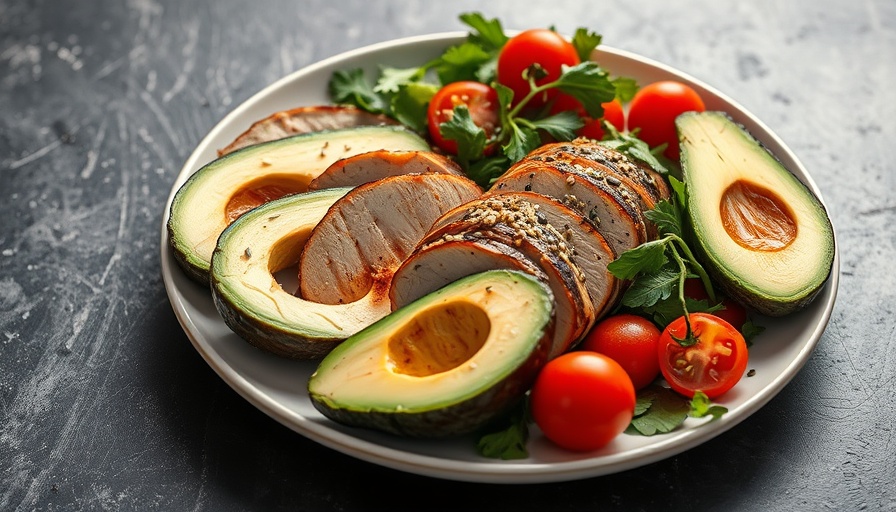
Healthy packed lunch ideas: vibrant plate with chicken and veggies.

Pack Your Lunch Like a Pro: Healthy Choices for Busy Lives

Are you tired of the same old sandwiches cluttering your lunchbox? It's time to elevate your lunch game with these vibrant, healthy packed lunch ideas that require no reheating! Perfect for health-conscious individuals, these meals are not only delicious but also designed to energize your day. Say goodbye to boring desk lunches and hello to exciting options that fuel your busy lifestyle.

1. Spicy Jalapeño Chicken Salad

Start your week with a zing! Transform a traditional chicken salad by placing it inside crisp bell peppers instead of bread. This not only avoids the soggy sandwich issue but also packs a punch of nutrition. Bell peppers are rich in vitamin C, supporting your immune system and keeping you mentally sharp. Add some jalapeños for that spicy kick—quite literally! This dish is quick to prepare and can be adjusted according to your taste preferences.

2. Creative Mason Jar Salads

Mix up mundane desk salads with a variety of Mason jar combinations. The versatility is astounding! Whether it's a hearty Tex-Mex salad jar layered with beans, corn, and avocado, or a Caprese jar filled with fresh mozzarella, tomatoes, and basil, the combinations are endless. These jars can be prepped ahead of time, making them an easy grab-and-go solution for lunch. Plus, they look great and are fun to eat!

3. Lettuce Wraps: The Low-Carb Delight

Embrace the lettuce wrap craze! Perfectly substituting bread, these leafy wraps are not only low-carb but also crunchy and satisfying. Fill them with turkey, crispy bacon, and a dollop of mustard for flavor. You can easily mix and match fillings—think grilled veggies or even hummus for a twist. They’re refreshing, filling, and portable!

4. Adult Lunchables: Nostalgia with a Healthy Twist

Bring back childhood memories with a healthy makeover of Lunchables! Select your favorite combinations of lean meats, low-fat cheeses, fruits, and crunchy veggies, complemented by whole-grain crackers. Not only does this option satisfy your cravings, but it also gives you balanced nutrition without compromising flavor. Prepare these the night before for easy assembly.

5. Flavor-Packed Chickpea Bento Bowls

Dig into plant-based bliss with Korean BBQ chickpea bento bowls. Rich in flavor, these bowls offer a variety of veggies along with protein-packed chickpeas. Assemble them the night before, and they taste just as good when served cold. The bento box concept is aesthetically pleasing and encourages portion control, a great boon for health-minded individuals.

6. Avocado Chicken Club Sandwich

Rethink the classic sandwich by whipping up an avocado chicken club. Spread creamy avocado on whole grain bread and layer with rotisserie chicken slices for a simple yet satisfying meal. You can also add lettuce, tomato, or any other favorite toppings to elevate the dish. These sandwiches can be made in advance—no reheating needed!

Healthy Lunches Boost Your Energy!

When packed lunches are nutritious and delightful, they help maintain your energy throughout the day. Avoiding heavy, greasy options can enhance your productivity, allowing you to stay focused and motivated. Each of these meal ideas provides vibrant flavors and essential nutrients, making lunchtime something to look forward to instead of dread.

Incorporating Wellness into Your Daily Routine

By choosing healthier packed lunches, you're taking a significant step towards improving your overall well-being. Nutrition plays a vital role in how we feel and perform in our daily lives. So, the next time you're preparing for a busy day, think about how you can make your meals more exciting and fulfilling!

Don't settle for mediocre lunches. Experiment with these healthy packed lunch ideas and invigorate your work week with a blend of flavors that are good for both your body and mood.

Nutrition

44 Views

0 Comments

Write A Comment

*
*
Please complete the captcha to submit your comment.
Related Posts All Posts
06.27.2026

How Nutrition Insights from Dr. Greger Can Transform Your Health

Update Unlocking the Power of Nutrition with Dr. Greger In a recent live Q&A, Dr. Michael Greger, known for his insight into the world of nutrition science, engaged with an audience curious about optimizing health through diet. His dedicated research—an annual reading of every English-language nutrition journal—translates complex scientific findings into actionable dietary choices. This approach not only empowers individuals looking to improve their health but also emphasizes that informed decisions can lead to significant health benefits.In 'Live Q&A with Dr. Greger', the discussion dives into critical aspects of nutrition, exploring key insights that sparked deeper analysis on our end. Is Low Stomach Acid a Hidden Cause of Malnutrition? In response to a question about the effects of low stomach acid, Dr. Greger explained that various factors, such as the over-prescription of proton pump inhibitors, can lead to deficiencies in essential nutrients. He highlighted that while low stomach acid can indeed hinder nutrient absorption, it is not the sole factor causing malnutrition. Instead, understanding and tackling the root causes of low acid production—such as diet, stress levels, and overall health—are crucial in addressing malnutrition effectively. Addressing Common Misconceptions in Nutrition One prevalent belief is that supplements can bridge the gap created by dietary deficiencies. Dr. Greger urged caution regarding supplements, such as those purported to boost AMPK levels for fat loss. He argued that a diet rich in whole foods can naturally enhance these metabolic processes. For instance, incorporating vinegar into meals not only improves flavor but can also aid in achieving a healthier weight. Reversibility of Fatty Liver Disease Dr. Greger addressed the hopeful question of whether conditions like fatty liver and fatty pancreas can be reversed. His affirmative response underscored the impact of lifestyle changes—particularly diet. By reducing saturated fats and sugars and adopting a plant-based diet, individuals can indeed initiate a reversal of these diseases, showcasing the body's remarkable resilience. The Non-Alcoholic Beer Debate When a viewer asked about the health implications of non-alcoholic beer, Dr. Greger posed a compelling inquiry: compared to what? If the alternative is alcoholic beer, then non-alcoholic options are clearly the better choice. However, if the comparison is to nutrient-dense beverages like green tea or water, then the latter options win the day, encouraging individuals to choose beverages that maximize their nutritional intake. Myths Surrounding Plant-Based Diets As questions about the potential downsides of consuming plant-based foods arose, Dr. Greger highlighted misconceptions regarding pesticide exposure. He explained the fat-soluble nature of many toxins and pesticides present in animal products, emphasizing that plant-based diets can potentially reduce exposure rather than increase it. Organic options may be favorable for those concerned about pesticide exposure, though each choice should be made with careful consideration of the trade-offs involved. Iron Absorption Made Easy Iron deficiency remains a common concern, and Dr. Greger offered practical insights on enhancing iron absorption from food. He recommended combining iron-rich foods with vitamin C sources—such as citrus fruits and broccoli—to optimize uptake, aligning with evidence-derived strategies designed to improve dietary effectiveness. Such integrative approaches exemplify the importance of understanding food synergy. Conclusion: Rethinking Nutritional Choices for Better Health Dr. Greger's passionate commitment to public health and nutritional education shines through in his work, reminding us that the choices we make regarding our food can profoundly impact our overall health. As you explore your dietary options, consider how evidence-based nutrition can steer you toward a healthier, more vibrant life. For those eager to implement these insights into their lives, resources are available through Dr. Greger’s nonprofit site, NutritionFacts.org, where you can find videos and articles aimed at promoting public health without commercial influences. It’s all about equipping you with knowledge to make the best dietary choices!

06.26.2026

Magnesium: The Surprising Nutrient That Boosts Your Immune Response

Update The Hidden Champion of Immune Health: Magnesium When it comes to supporting our immune systems, many people immediately think of vitamin D as the superstar nutrient that bolsters our defenses. While it’s true that vitamin D is essential, recent studies suggest that magnesium—a mineral often overshadowed by its more famous counterpart—might play an even more critical role in maintaining a healthy immune response. The Role of Magnesium in Immunity Magnesium is a key player in our bodies, involved in over 300 biochemical processes. It isn’t just vital for bone health; it also regulates inflammation and helps control oxidative stress, both of which are crucial for immune function. A recent study highlighted that low magnesium levels were linked to a worsening immune response in mice with cancer, showing that optimally functioning immune systems require sufficient magnesium. Understanding Magnesium Deficiency Studies show that more than half of the population may be deficient in magnesium. This deficiency can leave you more susceptible to illnesses, lower your immune response, and increase levels of inflammation. With a diet high in processed foods and low in magnesium-rich options like nuts, seeds, and leafy greens, it's easier than ever to fall short on this essential nutrient. How Magnesium and Vitamin D Work Together Interestingly, magnesium is also necessary for the body to absorb and utilize vitamin D. Without enough magnesium, your body may fail to properly metabolize vitamin D despite adequate intake. This relationship underscores the importance of ensuring sufficient magnesium levels, especially for individuals taking vitamin D supplements. Magnesium's Role in Aging and Immune Function Aging can make it even harder to maintain proper magnesium levels, which in turn may lead to a weakened immune system. As our bodies age, the efficiency of magnesium absorption decreases, making it vital for older adults to monitor their intake. Magnesium has been linked to reducing chronic inflammation often seen with aging—a condition referred to as “inflammaging.” Actionable Insights for Better Health To enhance your magnesium levels and, by extension, your immune function, incorporate more magnesium-rich foods into your diet. Consider foods like dark leafy greens, nuts, seeds, whole grains, and legumes. Additionally, you might explore magnesium supplementation, particularly if you follow a restrictive diet or have conditions that impair nutrient absorption. Always consult with a healthcare provider before starting supplements, especially for children. Conclusion: Empowering Your Immune System In conclusion, while vitamin D has long been the immune hero, magnesium emerges as a crucial co-actor that supports and enhances the immune system's efficiency. Addressing magnesium deficiency could be a powerful step toward improved overall health and better immunity. For those looking to boost their health and wellness, prioritizing magnesium can make not just a difference today but also enhance resilience against age-related diseases. Consider your nutrient intake: Are you getting enough magnesium? This simple yet powerful mineral can significantly impact your health.

06.25.2026

Optimize Your Heart Health: Foods That Lower Cholesterol Effectively

Update Understanding LDL Cholesterol: A Vital Heart Health Indicator Low-density lipoprotein (LDL) cholesterol often carries the negative reputation of being detrimental to heart health. Traditionally associated with increased risks of heart disease, it serves as a pivotal marker for those concerned about cardiovascular well-being. Experts posit that by effectively lowering LDL levels through specific dietary choices, individuals can significantly diminish their risk of heart-related ailments. In this article, we explore how integrating certain foods into your diet can empower you to take control of your cholesterol levels.In 'Foods That Lower Cholesterol,' the discussion dives into dietary strategies for managing LDL cholesterol, exploring key insights that sparked deeper analysis on our end. The Growing Trend: Diet Over Drugs As cardiovascular health initiatives evolve, there's a growing consensus advocating for dietary intervention over pharmacological solutions. Recent guidelines reinforce that lowering LDL cholesterol is paramount for both prevention and management of heart disease. This emphasis on nutrition underscores the opportunity for individuals to harness the power of food in their quest for improved health. The traditionally heavy reliance on medications is being reevaluated as evidence mounts in favor of dietary strategies. The Portfolio Diet: A Recipe for Lowering Cholesterol The Portfolio Diet has emerged as a structured approach to cholesterol management. It focuses on a combination of foods specifically designed to target and lower LDL cholesterol. By integrating more nuts, legumes, whole grains, fruits, vegetables, and specific supplements, individuals can create a robust framework for enhancing heart health. The Daily Dozen, a list of nutrient-dense foods that should be consumed regularly, complements this diet and includes some of the most impactful nutrients for cholesterol reduction. Nuts and Their Incredible Power Incorporating a variety of nuts into your daily diet can make a significant difference in your cholesterol levels. Studies have shown that certain nuts, like walnuts and cashews, are particularly effective at lowering LDL. Remarkably, consuming just four Brazil nuts per month can result in a notable drop in LDL levels due to their rich selenium content. However, moderation is key to preventing potential toxicity. Legumes: A Versatile Plant Protein Source Among the most beneficial components of the Portfolio Diet is legumes. Notably, black soybeans stand out due to their powerful pigments that help diminish LDL cholesterol. Regularly incorporating legumes into your meals not only helps cover your protein requirements but also fortifies your dietary regimen against heart disease. Fiber: The Heart Protector Viscous fiber is another crucial element in combating high cholesterol. Foods rich in soluble fiber, like oats and barley, help improve cholesterol levels by binding to bile acids in the intestine, leading to their excretion. Enhancing your diet with supplements like psyllium husk can further aid in reaching the daily fiber targets needed for effective cholesterol management. Fruits with a Purpose Fruits like apples and prunes have been shown to have favorable effects on cholesterol levels. Research indicates that eating two medium-sized apples a day can potentially reduce LDL cholesterol by as much as 24%. Dried fruits like prunes have varied results, but apple consumption consistently yields positive outcomes. The key is to include a variety of fruits in your regimen for optimal heart health. Conclusion: Empowering Choices in Nutrition As you navigate your dietary landscape, remember that the choices you make can either bolster or hinder your health. This exploration of food's potential offers a clear directive: prioritize those ingredients that actively work towards lowering cholesterol. If you're keen on optimizing your health, consider embracing these findings and transitioning towards a heart-smart diet. With fast-paced lifestyles, it's crucial to remember that healthy choices are attainable without sacrificing convenience. Look for ways to incorporate these cholesterol-lowering foods into your meals—perhaps through smoothies, snacks, or creatively structured meals.

Terms of Service

Privacy Policy

Core Modal Title

Sorry, no results found

You Might Find These Articles Interesting

T
Please Check Your Email
We Will Be Following Up Shortly
*
*
*