
cropper
update

{COMPANY_NAME}

Drink Me Healthy - logo
update
  • Home
  • Smoothies
    • Healthy Smoothies
    • On-the-Go
    • Savory Smoothies
    • Low Calorie Smoothies
    • Weight Loss Smoothies
    • Treat Smoothies
    • Smoothies for Diabetes
    • Energy Boost
    • Reduce Belly Fat
    • Detox
  • Health & Fitness
    • Blenders & Blending
    • Community
    • Fitness
    • Health Matters
    • Immunity
    • Juicing
    • Lifestyle
    • Nutrition
  • Drink Me Healthy on Facebook
    update
  • Drink Me Healthy on X
    update
  • update
  • update
  • update
  • update
  • Drink Me Healthy on Instagram
    update
March 19.2025
2 Minutes Read

Discover Exciting March Madness Deals from Wendy's, Taco Bell, and More!

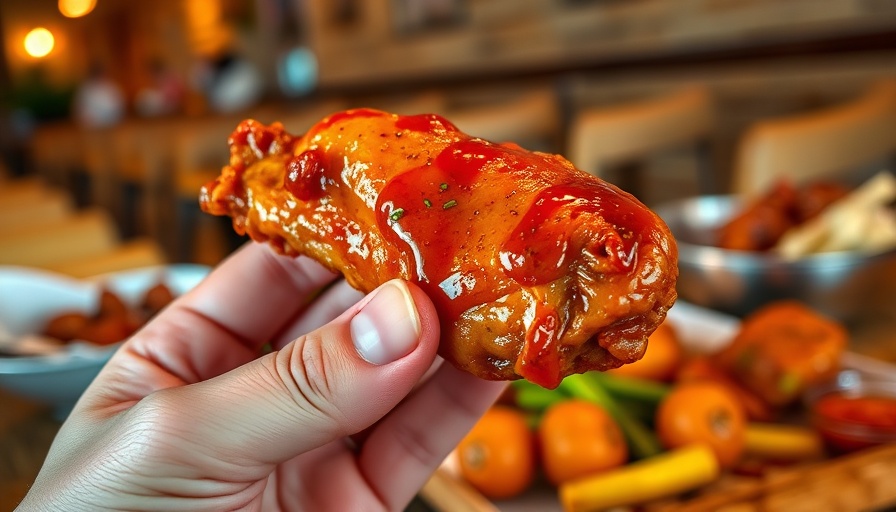
Chicken wing close-up in March Madness food deals setting.

Catching March Madness: Delicious Deals to Fuel Your Game Days

March Madness is here, and with it comes the thrill of NCAA basketball and the excitement of game day snacks! For health enthusiasts and home cooks alike, it's a perfect opportunity to indulge in some tasty deals while enjoying the games. Grubhub and Seamless are rolling out amazing promotions through this popular basketball period, running from March 18 to April 7. Just imagine watching your favorite team play while enjoying some delicious food from your go-to restaurants!

Unbeatable Deals Every Round

Every round of March Madness brings new offers, making it easier to order meals from popular restaurants conveniently. From Wendy’s to Jimmy John's, there’s no shortage of tasty options to fuel your excitement. For instance, during the First Four (March 18-20), you can snag a free Wendy's® Baconator® on orders over $20! And that’s just the beginning—Little Caesars is offering their Free Italian Cheese Bread on $25 orders, and Wawa has a fantastic 30% off on $25 for a limited time!

Round-by-Round Breakdown of Offers

As the tournament progresses, so do the deals. During the Second Round (March 22-24), enjoy similar perks, while the Sweet 16 (March 27-29) features Popeyes with a Free Chicken Sandwich on orders of $15+! Taco Bell is enticing fans with a $5 discount when purchasing their new Cantina Caliente Chicken Soft Taco, perfect for game day munching.

More than Just Deals: An Experience

These promotions transform March Madness into more than just a sports event—it becomes a culinary experience. It’s essential for fans to not overlook the convenience of these offers, especially if they are hosting gatherings at home or cheering on teams with friends. With delivery options available, there's no reason to miss a minute of the action!

Final Thoughts and Exclusive Offer

As the tournament approaches its climax, be sure to keep an eye on the deals available in the Final Four to Championships (April 4-7). Customers can enjoy a buy one, get one free deal at Jimmy John's on orders over $20, which is perfect for sharing! To sweeten the deal, Grubhub also has a special offer for those with a subscription—get an extra $5 off two orders over $20. Utilize code HOOP5 to make the most out of your game day experience.

Stay connected and receive more updates on the latest food trends and health news by joining our newsletter—it’s a tasty way to keep informed and enjoy your meals!

Nutrition

56 Views

0 Comments

Write A Comment

*
*
Please complete the captcha to submit your comment.
Related Posts All Posts
06.14.2026

Rethink Dietary Cholesterol: Its Hidden Role in Inflammation and Obesity

Update Understanding Dietary Cholesterol's Role in Inflammation Cholesterol has long been a focal point in discussions about heart health, yet its connection to inflammation, especially originating from abdominal obesity, is less understood. Notably, high levels of dietary cholesterol can exacerbate inflammation, particularly in those with excess abdominal fat. As Dr. Liam Carter discusses in his analysis, dietary cholesterol not only raises lipid profiles but also contributes to oxidative stress and arterial dysfunction, especially after high-fat meals. This is particularly concerning given that a solitary egg can contain enough cholesterol to provoke such post-prandial reactions.In 'Friday Favorites: Dietary Cholesterol and Inflammation from Abdominal Obesity', the discussion dives into how cholesterol impacts inflammation linked to obesity, providing vital insights that merit deeper exploration. The Misleading Narrative of the Egg Industry The egg industry’s campaigns often suggest that dietary cholesterol's impact is negligible, focusing instead on fasting LDL cholesterol levels which, while slightly elevated, fail to capture the full spectrum of risks associated with post-meal cholesterol spikes. Ironically, despite pouring millions into marketing to maintain their image, the connection between cholesterol and cardiovascular disease risk remains undeniable. As awareness grows around the dangers posed by cholesterol intake, it raises critical questions about the sustainability of industry-led narratives. Historical Context: The Egg Industry's Response History has shown that industries often react defensively when faced with scientific scrutiny. Initiatives to reduce cholesterol content in eggs, such as feeding chickens statins, while innovative, have not scaled effectively. Similarly, attempts to dismiss emerging plant-based competitors like Eat Just highlight an industry more focused on preserving market share than genuinely addressing public health concerns. This defensive posture is further compounded by the USDA's investigation into the American Egg Board, underscoring the tension between industry interests and consumer safety. How Dietary Cholesterol Affects Body Fat and Inflammation Emerging evidence reveals that cholesterol does more than just elevate heart disease risk; it may fuel inflammation in body fat itself. Fat cells, especially those accumulating excessive cholesterol, can give rise to pathogenic macrophages—immune cells that become activated and exacerbate inflammation. This insight underscores the importance of dietary choices as they relate to obesity-related metabolic disorders, suggesting that reducing dietary cholesterol intake could be a pivotal strategy for combating diabetes and heart disease in at-risk populations. Empirical Evidence: Vegetarians vs. Omnivores Recent studies highlighting differences between vegetarians and omnivores offer compelling evidence for cutting dietary cholesterol to combat inflammation. Biopsy analyses have shown that vegetarians, who consume significantly less cholesterol, exhibit notably fewer inflammatory macrophages in their adipose tissue compared to meat-eaters. This empirical disparity not only raises questions about dietary habits but also reinforces the need for an evidence-based approach to nutrition—one that encourages plant-based diets while cautioning against the pitfalls of high-cholesterol consumption. Future Predictions: The Shift Toward Plant-Based Diets As the public grows increasingly aware of the links between dietary choices and health outcomes, a shift toward plant-based diets seems inevitable. This transition represents not just a dietary evolution but a societal one, challenging the status quo heralded by traditional animal agriculture. With the growing body of research indicating that reducing cholesterol intake can significantly mitigate risks of chronic diseases, we anticipate that more consumers will explore alternatives to animal products—potentially leading to a robust increase in plant-based food innovations. Actionable Insights: Rethinking Your Diet For individuals concerned about their health, particularly those prone to cardiovascular issues, the evidence suggests that significantly reducing dietary cholesterol could yield health benefits. This is an opportunity to reassess daily eating habits and prioritize foods that support overall well-being, such as whole grains, fruits, vegetables, and legumes. Engaging with nutritional information critically and making informed dietary choices matter—these small yet significant adjustments can foster long-term health improvements. The insights shared in the video "Friday Favorites: Dietary Cholesterol and Inflammation from Abdominal Obesity" reveal crucial connections between dietary cholesterol and inflammatory diseases. By further exploring these interrelations, we can better understand how our food choices impact our health and ultimately make informed decisions to reduce our risk of chronic diseases.

06.12.2026

Unlocking the Iron Dilemma: Balanced Nutrition for Better Health

Update The Iron Dilemma: Understanding the Nutritional Sweet Spot In a world teeming with conflicting dietary opinions, the quest for optimal nutrition often feels overwhelming. However, a critical nutrient that remains underexposed in conversations about health is iron. Many individuals, especially those following vegetarian diets, often grapple with understanding their iron needs. In the latest podcast episode titled The Iron Dilemma, Dr. Michael Greger delves into the nuances of iron, specifically focusing on the significance of ferritin tests as indicators of iron stores.In the podcast The Iron Dilemma, the urgent conversation around iron levels and nutrition is brought to the forefront, prompting deeper analysis into dietary choices and their health implications. What Is Ferritin and Why Does It Matter? The ferritin blood test serves as a crucial gauge for evaluating iron reserves in the body. Normal values typically range from 30 to 300 ng/mL, but the fascinating twist is how these values differ among dietary groups. Research shows that vegetarians frequently maintain lower ferritin levels compared to their omnivorous counterparts—39 ng/mL among vegetarians versus 77 ng/mL for non-vegetarians. Interestingly, this observation could highlight a biological advantage, positioning vegetarians in an optimal range that reduces disease risk associated with excessive iron levels. Iron: A Double-Edged Sword Iron is undeniably essential for human health, yet its myriads of benefits come with potential risks. A key takeaway from the podcast is that excessive iron intake can contribute to the development of various chronic diseases, including type 2 diabetes. High ferritin levels, often indicative of iron overload, have been associated with increased diabetes risk—by as much as 20% compared to individuals maintaining lower ferritin values. The irony (pun intended) here is striking: while iron plays a vital role in our bodily functions, its surplus may culminate in detrimental health outcomes. Iron Status and Insulin Sensitivity Delving deeper, the podcast uncovers how the dietary choices of vegetarians may provide an unexpected edge regarding insulin sensitivity. A study cited in the podcast found that vegetarians displayed superior insulin sensitivity compared to omnivores. This could suggest a direct relationship between iron levels and metabolic health—lower ferritin levels correlate with higher insulin sensitivity, potentially reducing the rates of pre-diabetes and type 2 diabetes among plant-based eaters. Blood Donation: A Simple Solution For those concerned about their iron levels, donating blood emerges as a practical and beneficial solution. Regular blood donors can reduce their ferritin levels to the 'sweet spot' of 15-50 ng/mL, which might bring forth numerous health advantages—ranging from lowered cancer risk to improved metabolic health. The podcast emphasizes that donating blood isn’t merely an altruistic act; it could also be a proactive measure to safeguard personal health. The Vegetarian Advantage: Healthier Iron Stores Contrary to the popular belief that vegetarian diets pose a higher risk of anemia due to low iron stores, recent studies indicate otherwise. While vegetarians typically possess lower ferritin levels, they also have a lower risk of developing anemia compared to meat-eaters. Data suggests that most pre-menopausal women consuming little to no red meat have higher anemia rates than regular consumers, underscoring the complexity of dietary impacts on health. Optimizing Iron Retention Through Dietary Choices The health implications of non-heme iron, found in plant foods, merit special attention. Unlike heme iron from animal sources, the absorption of plant-based iron can be better controlled by the body. Incorporating vitamin C-rich foods into meals can also promote effective iron absorption while maintaining a balanced diet. Nutritional sources of iron include legumes, whole grains, and fortified products—proving that a well-planned vegetarian diet can meet iron requirements without tragic side effects of iron overload. Addressing Common Myths about Iron Deficiency One common misconception revolves around the idea that low ferritin levels necessarily imply health issues. In reality, the podcast reveals that many individuals with low iron stores report no significant adverse effects on their quality of life, raising questions about our contemporary understanding of nutritional deficiencies. The message from The Iron Dilemma is clear: maintaining optimal iron levels is not just about consuming iron-rich foods—it's about finding a balance. In a society where meat consumption is often equated with nutritional superiority, the benefits provided by a vegetarian diet, when paired with informed dietary practices, can present an entirely different narrative. Call to Action As we strive for better health through informed dietary choices, it’s crucial to educate ourselves and others about the importance of iron and how it can be optimized through diet and lifestyle changes. Consider sharing your thoughts and experiences with iron levels or explore donating blood as a potential avenue to improve your health. Every bit of knowledge could foster a communal effort towards better health outcomes.

06.12.2026

Discover Why Fun is the Missing Ingredient in Your Wellness Routine

Update Why Fun is Essential for Your Wellness Journey If you’ve been dedicating your time to a strict wellness routine but finding it monotonous or exhausting, you’re not alone. Many health-conscious individuals feel the weight of a busy lifestyle, striving to eat clean and work out consistently, yet overlook one critical component of true well-being: fun. Recent research points to the profound impact that playfulness has on our health, boosting mood, enhancing creativity, and promoting resilience. Simply put, integrating fun into your wellness routine isn’t just beneficial—it's essential. Bringing Play Back Into Your Life Reflect for a moment on your childhood: a time when play was abundant and laughter was natural. As adults, we often dismiss these playful impulses in favor of productivity. Yet, studies indicate that allowing ourselves to engage in activities that bring joy can drastically improve our physical and mental health. For instance, Dr. Greg Wells highlights how fun activates biochemical responses that enhance mood and lower stress, leading to a healthier lifestyle that feels satisfying rather than taxing. Simple Strategies to Embrace Fun You don’t need to overhaul your entire wellness routine to incorporate joy. Start small with these manageable changes: Engage in Creative Hobbies Activities like drawing, painting, or crafting can be incredibly therapeutic. They engulf you in creativity and help to clear your mind, allowing stress to fade away while fostering a sense of achievement. Incorporate Group Activities Consider joining a local sports team or gathering friends for a game of volleyball in the park. Not only do these activities promote physical health, but they also enhance social connections, creating a shared sense of joy and belonging. This is particularly important for mental wellness as it combats feelings of loneliness and adds dimension to your health routine. Revisit Childhood Pastimes Think back to your favorite childhood activities. Was it climbing trees, playing tag, or creating art? Rediscovering these simple joys can reignite that spark of creativity and imagination that often diminishes as we grow older. Encourage yourself to make time for these playful practices, even if they seem silly at first. How Fun Enhances Consistency in Wellness One of the most significant hurdles in maintaining a wellness routine is staying committed long-term. When fitness and healthy eating become a source of stress rather than joy, motivation dwindles. On the other hand, introducing playful elements makes these activities enjoyable and fosters better adherence. When you associate happiness and laughter with your routines, your brain is wired to seek out those positive experiences again. The Lasting Benefits of a Playful Mindset Incorporating fun into your wellness routine goes beyond mere enjoyment; it opens doors to a better quality of life. Playfulness has been linked with greater adaptability in stressful situations—especially relevant in today’s fast-paced world. Individuals who embrace fun report reduced anxiety and improved overall mental health. In fact, one study indicated that those who remained playful during the pandemic experienced increased resilience and decreased feelings of isolation. Taking Action for a Healthier You Now that you know how crucial fun can be in your wellness journey, actively set aside time for playful activities. Schedule it like you would a work commitment or a family event. It’s about making your health a joyful experience rather than an obligation. Consider starting with heart-raising activities like dancing or making smoothies while engaging your senses with music. The goal is to create lasting habits that you genuinely enjoy—once you start, you may find yourself looking forward to your wellness routine rather than dreading it. Conclusion: Fun is the New Fitness So, don’t forget the missing piece of your wellness routine: fun. By letting go of strict structures and embracing joy, you open up pathways for better health, sharper resilience, and an overall sense of well-being. Start with small changes today to discover how enriching your life through playful wellness can transform your health journey for the better.

Terms of Service

Privacy Policy

Core Modal Title

Sorry, no results found

You Might Find These Articles Interesting

T
Please Check Your Email
We Will Be Following Up Shortly
*
*
*