
Add Row
Add Element
cropper
update

{COMPANY_NAME}

Drink Me Healthy - logo
update
Add Element
  • Home
  • Smoothies
    • Healthy Smoothies
    • On-the-Go
    • Savory Smoothies
    • Low Calorie Smoothies
    • Weight Loss Smoothies
    • Treat Smoothies
    • Smoothies for Diabetes
    • Energy Boost
    • Reduce Belly Fat
    • Detox
  • Health & Fitness
    • Blenders & Blending
    • Community
    • Fitness
    • Health Matters
    • Immunity
    • Juicing
    • Lifestyle
    • Nutrition
Add Element
  • Drink Me Healthy on Facebook
    update
  • Drink Me Healthy on X
    update
  • update
  • update
  • update
  • update
  • Drink Me Healthy on Instagram
    update
June 10.2025
3 Minutes Read

After 30 Days of Homemade Sourdough: Surprising Health Gains!

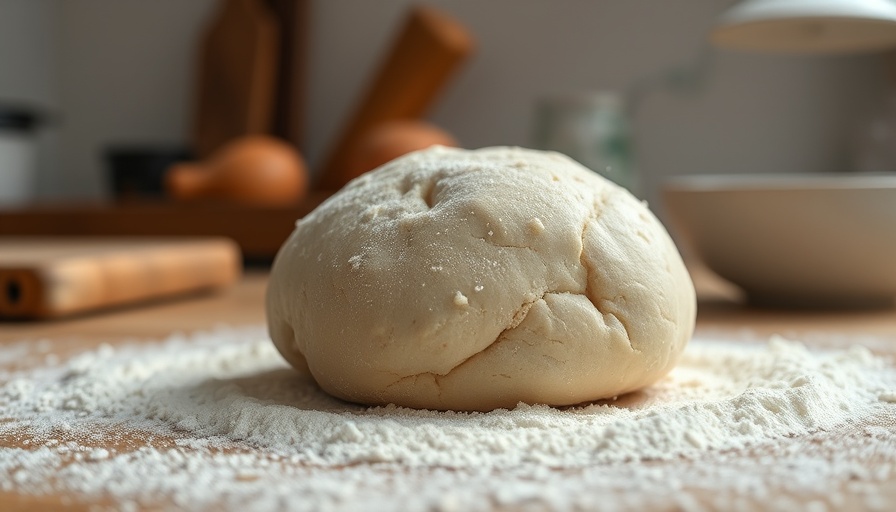
Homemade sourdough dough resting on a floured surface in a cozy kitchen.


Rediscovering Sourdough: A Journey Back to Wholesome Bread

In a fast-paced world where convenience often trumps quality, it can be easy to overlook the simple joys of homemade food. For many, bread is a staple, yet so often we choose store-bought options laden with preservatives and additives. Recently, my husband John embarked on an experiment to reconnect with the art of sourdough bread-making, inspired by the memories of my children’s delight in fresh, homemade bread. This one-month journey has not only rekindled our love for wholesome food but also provided unexpected health benefits.

The Health Benefits of Sourdough Bread

After diving into daily consumption of homemade sourdough bread, we noticed something remarkable—zero inflammation! Despite our regular pickleball games and active lifestyle, aches and pains took a backseat. This has raised an intriguing question: is gluten truly the culprit in modern health woes? Historical perspectives suggest our ancestors thrived on wheat without the complications we see today. Notably, it’s essential to distinguish between ancient grains and the processed versions frequently found on grocery store shelves.

Understanding Gluten and its Impact

The hypothesis that gluten is harmful lacks nuance. Factors such as glyphosate use on modern wheat crops, hybridization, and heavy processing remove vital nutrients from bread. Essentially, we are eating a far cry from the ancient grains that sustained generations. Our experiment has shown that when made from 100% organic whole grains, sourdough can contain a host of nutrients and be surprisingly easy to digest.

The Art of Sourdough Crafting

One of the joys of making sourdough is the process itself. John’s determination to mill our own 100% whole organic wheat flour has led to some beautifully fluffy loaves. The key takeaway from his experience? Allowing the dough to rise for an extended period makes a world of difference. Gone are the quick-rising yeasts; we embraced the slow fermentation that transforms our dough into something truly special.

Recipe Spotlight: Homemade Sourdough Delight

Anyone can make delicious sourdough bread at home. Our family loves to dip fresh slices into olive oil and balsamic vinegar. Here’s the delicious recipe John perfected while baking over the past month:

  • 1 cup of freshly milled whole organic wheat flour

  • 1/2 cup of water

  • 1/4 cup of sourdough starter (fed and bubbly)

  • Pinch of salt

Combine ingredients in a bowl, mix until shaggy, then let it rest for at least 8 hours. After the resting period, fold the dough, shape it, and let rise again for half a day before baking. The results are worth the wait!

Join the Sourdough Movement!

Our month-long sourdough experiment has been an enlightening experience that challenges the narrative about gluten and bread. It serves as a reminder of the power of simple, natural ingredients. As you embark on your own sourdough journey, embrace the imperfections and joy that come from creating something with your own hands. Remember, bread isn’t just food; it’s a connection to our roots, nurturing our bodies and memories. So, why not try making your own sourdough bread too?

Join us as we continue this journey of healthy eating and rediscover the joys of homemade bread. Share your own experiences and tips as we learn together!


Nutrition

6 Views

0 Comments

Write A Comment

*
*
Related Posts All Posts
12.14.2025

Soul Food That’s Good for the Soul: Transforming Tradition into Health

Update A Flavorful Journey: Reimagining Soul Food with Health in Mind The deep cultural heritage of soul food reflects the resilience and creativity of the African American community, evolving from a survival strategy during the harsh realities of slavery to a cherished culinary tradition. However, as enlightening as this history is, it must also confront the health realities it encompasses today—namely, a significant burden of cardiovascular disease and related illnesses prevalent in the community. This article dives into how soul food, traditionally laden with unhealthy fats and processed ingredients, can be redefined to forge a bridge between heritage and health.In 'Friday Favorites: Soul Food That’s Good for the Soul,' the discussion dives into the intersection of diet and health, exploring key insights that sparked deeper analysis on our end. The Health Crisis: Understanding the Underlying Issues Cardiovascular disease remains a primary health concern for Black Americans, driven by a range of risk factors including high blood pressure, diabetes, obesity, and high cholesterol. These issues are often exacerbated by dietary choices that predominantly favor traditional soul food items rich in fats and sugars. According to surveys highlighted by experts, the prevalence of poor dietary habits among Black individuals is higher relative to other ethnic groups. This is a complex challenge rooted in socioeconomic factors, cultural traditions, and historical injustices. From Survival to Delicious Solutions: A Culinary Transformation While certain components of soul food, like collard greens and black-eyed peas, are inherently nutritious, many beloved dishes are not—think fried chicken, ham hocks, and sugar-laden desserts. The shift towards healthier eating has gained momentum with the emergence of vegan soul food restaurants, presenting an innovative solution that honors cultural roots while promoting health. These establishments not only prioritize plant-based ingredients but also often cater to local communities that terms as 'food deserts'—areas lacking access to fresh produce and affordable healthful options. Opening Doors to Plant-Based Soul Food Entrepreneurs in this dynamic sector, known as "plant pushers," are dedicated to reframing soul food as not just sustainable but essential for health. By highlighting the inherent value of plant-based diets, advocates assert that the traditional notions of soul food can coexist with healthful living. Collaborations between public health entities and vegan soul food restaurants offer a promising avenue for nutrition education and outreach in communities disproportionately affected by health disparities. Voices of Change: Celebrities and Activists Making an Impact Influencers across various domains—from sociopolitical figures to pop culture icons—are championing the benefits of plant-based diets within the African American community. Figures such as Samuel L. Jackson and Beyoncé have publicized their plant-positive messages, not only to enjoy the physical benefits but to also dismantle pervasive myths that vegan diets are reserved for privileged white populations. This cultural shift is a profound statement of empowerment and identity, resonating deeply with collectivist values within the community. The Role of Social Justice in Food Accessibility Linking nutrition to social justice, the revival of historical dietary principles encourages a re-evaluation of what it means to eat well within the African American culture. As we witness the rise of vegan soul food, we must also recognize the undercurrents of activism that drive these movements. Completion of the circle arrives when communities provide affordable access to nutritious food alternatives, counteracting years of targeted marketing from unhealthy food industries. Building Healthier Futures through Nutrition Awareness Pioneering a dialogue around nutritional choices is critical, not just for individual health, but for the community as a whole. The advent of public health initiatives, coupled with the growth of vegan soul food dining, suggests a transformative horizon aimed at reducing health disparities. Cooking classes hosted by these establishments can bolster community engagement, teaching families how to incorporate healthier ingredients into their meals while maintaining flavorful traditions. Next Steps Toward a Healthier Community It is inevitable that dietary habits shaped by historical trauma will take concerted efforts to evolve. However, armed with cultural pride, community support, and a commitment to healthier standards, the African American community stands at the crossroads of a nutrition revolution. Embracing a plant-centered lifestyle can pave the way for reducing rates of chronic disease, rendering soul food a true reflection of life-affirming nourishment rather than mere survival. As stakeholders, from chefs to health professionals, band together, the rise of vegan soul food can serve as a nourishing unifier. Together, let us champion an inclusive narrative that echoes: food that heals is food that connects us to our past, present, and hopeful future.

12.14.2025

Savor Winter with These High Protein Sweet Snacks Everyone Will Love

Update Discover Delicious Winter High Protein Sweet SnacksAs we cozy up for winter, the allure of comforting snacks often tempts us to reach for the store-bought options filled with empty calories. However, this season, you can satisfy your sweet cravings while boosting your protein intake with homemade treats. Here’s a curated list of 21 high-protein sweet snacks that will not only keep you fueled during your busy days but are also enjoyable for the whole family!Why Protein-Packed Snacks MatterProtein plays a crucial role in our diets, helping with muscle repair, growth, and overall satiety. By choosing snacks that are high in protein, you can feel full longer, prevent unhealthy snacking, and maintain your energy levels throughout the day. Plus, incorporating these treats supports your health and fitness goals, whether you're a weekend warrior or just trying to stay fit this winter.Top 5 Winter High Protein Sweet Snacks You Can Make Now1. Gingerbread Cottage Cheese Scones: With rich flavors of gingerbread and the added protein from cottage cheese, these scones are perfect to warm you up on chilly mornings.2. Flourless Cinnamon Swirl Banana Bread: Enjoy the deliciousness of banana bread that also brings 11 grams of protein per slice! The inclusion of cottage cheese combined with almond butter makes it creamy and nutritious.3. Chocolate Protein Cottage Cheese Scones: Satisfy your chocolate cravings guilt-free. Each scone packs in a healthy dose of protein and delicious flavor.4. Cinnamon Roll Cottage Cheese Muffins: These muffins provide a delightful twist to traditional cinnamon rolls while being packed with protein.5. Cottage Cheese Protein Cake: This cake is moist, sweet, and packed with juicy blueberries, offering a fulfilling dessert option that's easy to make.Practical Tips for Meal Prepping High Protein SnacksMeal prep serves as a game-changer when it comes to sticking to healthy eating plans. Here are some useful tips:Batch Cooking: Pick a day each week to prepare and freeze these protein-packed snacks. This ensures you always have a healthy option on hand.Storage: Use air-tight containers to keep your snacks fresh and easily accessible.Variety: Don’t stick to just one recipe; rotate between different snacks to keep your menu exciting.How High Protein Snacks Support Your DietBy integrating high-protein snacks into your diet, you can experience effective weight management and improved muscle health. These treats can also reduce sugar cravings, as the protein component helps balance your blood sugar levels.The Joy of Family-Friendly SnacksFinding healthy snacks that your whole family enjoys can be challenging. The recipes in this list are kid-tested and parent-approved! Involving your children in the baking process can also be a fun way to educate them about nutrition, making it a learning experience that fosters healthy eating habits.Final Thoughts: Make Winter a Season of HealthThis winter, embrace healthy snacking with these high-protein sweet treats. They not only support your nutritional goals but also provide delicious ways to manage your cravings. So, roll up your sleeves and get baking! As you enjoy these treats, remember that nourishing your body can be a delightful part of your winter lifestyle.

12.13.2025

Uncovering Lichen Planus Treatments: The Power of Purslane and Aloe Vera

Update Understanding Lichen Planus: A Common but Challenging Condition Lichen planus is an often-overlooked autoimmune condition that affects a significant segment of the population, with estimates suggesting that up to 5% of individuals—primarily women—are impacted. Its prevalence and potential to morph into more serious conditions, including cancer in about 1% of cases, warrant a deeper exploration into effective management strategies. The inflammatory nature of lichen planus often manifests as painful lesions and lacy white patches within the moist membranes of the mouth, significantly affecting quality of life.In the podcast titled 'What Is Lichen Planus and How to Treat It', Dr. Michael Greger explores the complexities of this autoimmune condition, opening the door to deeper insights on effective treatments and dietary strategies. Purslane: A Potent Ally in Treatment A key topic discussed in the recent Nutrition Facts Podcast hosted by Dr. Michael Greger is the surprising efficacy of purslane, a common weed, in managing lichen planus symptoms. Scientific studies reveal that over 80% of participants with oral lichen planus who consumed purslane saw clinical improvement, contrasting with negligible responses in the placebo group. Not only does this draw attention to the healing properties of this unassuming plant, but it underscores a potential shift towards utilizing accessible, natural remedies. Aloe Vera: Miracle or Hazard? Another noteworthy element from the discussion is the dual nature of aloe vera in treating lichen planus. While its topical application has shown promising results, outperforming corticosteroids in clinical settings, caution is advised regarding its internal use. Reports of aloe-induced hepatitis and thyroid dysfunction illustrate the complexity of determining cause and effect within herbal treatments. The leap from a therapeutic herb to a potential toxin highlights the need for rigorous evaluation of all supplements, no matter how benign they may seem. The Role of Comprehensive Nutrition in Autoimmune Conditions The metabolic and physiological complexities of autoimmune diseases such as lichen planus highlight the importance of a comprehensive approach to nutrition. By integrating functional foods like purslane into our diets, we may offer ourselves more effective tools against ailments where conventional medicine falls short. The exploratory nature of diets focused on natural remedies reflects a growing trend towards personalized nutrition, highlighting the importance of understanding the unique interactions between food and chronic conditions. Empowering Patients with Evidence-Based Knowledge Dr. Greger emphasizes the vital role of sound, evidence-based dietary choices in managing chronic conditions. Educational resources—such as the ones provided by NutritionFacts.org—further allow patients to navigate complex health narratives, empowering them to make informed decisions about their treatment options. Awareness of the potential benefits and pitfalls of specific dietary components can foster a sense of agency in managing serious health issues. Conclusion: Rethinking Dietary Choices for Better Health Outcomes The discussion on lichen planus within Dr. Greger’s podcast serves as an impetus to rethink dietary strategies and their implications for managing autoimmune conditions. By embracing natural remedies like purslane and carefully considering the use of ubiquitous plants such as aloe vera, we can explore new avenues for symptom relief while arming ourselves with knowledge to make healthier choices. It begs the question: could everyday foods hold the keys to navigating our health challenges?

Terms of Service

Privacy Policy

Core Modal Title

Sorry, no results found

You Might Find These Articles Interesting

T
Please Check Your Email
We Will Be Following Up Shortly
*
*
*