
Add Row
Add Element
cropper
update

{COMPANY_NAME}

Drink Me Healthy - logo
update
Add Element
  • Home
  • Smoothies
    • Healthy Smoothies
    • On-the-Go
    • Savory Smoothies
    • Low Calorie Smoothies
    • Weight Loss Smoothies
    • Treat Smoothies
    • Smoothies for Diabetes
    • Energy Boost
    • Reduce Belly Fat
    • Detox
  • Health & Fitness
    • Blenders & Blending
    • Community
    • Fitness
    • Health Matters
    • Immunity
    • Juicing
    • Lifestyle
    • Nutrition
Add Element
  • Drink Me Healthy on Facebook
    update
  • Drink Me Healthy on X
    update
  • update
  • update
  • update
  • update
  • Drink Me Healthy on Instagram
    update
June 11.2015
1 Minute Read

[VIDEO] 8 Healthy Food Hoodwink – Which of These Do You Still Use?

I just hate it when I feel I’ve been conned! Don’t you? Well it turns out that the “health foods” industry is doing just that – every day. So that many foods we’ve grown up to consider “healthy” are far from it.
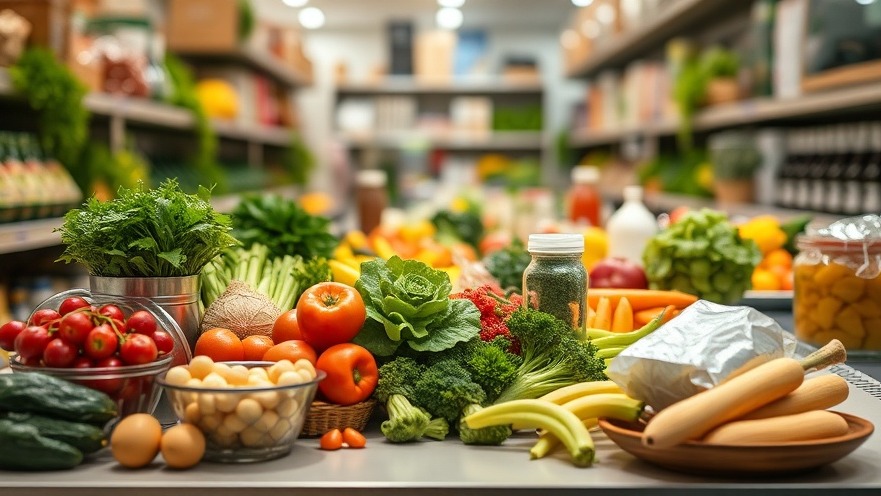
In this very enlightening short video, Robyn Openshaw (the GreenSmoothieGirl) reveals 8 of these “healthy” foods that today’s evidence shows they no longer justify that description.

Which of these are you still happily using?

  1. Soy

  2. Whey protein

  3. Yogurt

  4. Skimmed milk

  5. Whole Wheat Bread

  6. “Diet” Products

  7. “Gluten-free” foods

  8. Low-calorie sweeteners

Check out the video to discover the truth about each of these

Thanks for coming through… Here’s Robyn’s video – watch & learn how to avoid being conned


This is a custom HTML / JavaScript Element

In order To See Your Custom HTML/JavaScript Code in Action You Must Click On The Preview Page Button, Your Code is NOT going to be active in the edit mode

PGlmcmFtZSBjbGFzcz0ibGF6eWxvYWQiIHdpZHRoPSIxMDgwIiBoZWlnaHQ9IjYwOCIgZGF0YS1zcmM9Imh0dHBzOi8vd3d3LnlvdXR1YmUuY29tL2VtYmVkL01COW9PNjlYT1cwP2ZlYXR1cmU9b2VtYmVkIiBmcmFtZWJvcmRlcj0iMCIgYWxsb3dmdWxsc2NyZWVuPjwvaWZyYW1lPg==


Health Matters Low Calorie Smoothies Healthy Smoothies

15 Views

0 Comments

Write A Comment

*
*
Related Posts All Posts
12.18.2025

Empower Your Health: Proven Strategies to Boost Your Immunity Effectively

Update Discover the Power of Immunity: Essential Insights for Staying Healthy As we navigate through life and experience fluctuating health trends, understanding how to boost your immunity becomes crucial. While the juggernaut of modern medicine comes with advanced solutions, many of us can leverage simple, daily strategies to strengthen our natural defenses and maintain wellness. This article will explore practical, science-backed methods to enhance your immune system and promote overall health. Stress: The Invisible Foe Have you ever noticed that you tend to get sick during particularly stressful times, like before exams or major work presentations? As Dr. Bindiya Gandhi notes, chronic stress can lead to elevated cortisol levels, which directly undermines immune function. Simple practices such as meditation, yoga, and setting aside time to unwind can significantly reduce stress and support your body’s defenses. The Role of Nutrition in Strengthening Immunity A wholesome diet is foundational to a robust immune system. Integrating a variety of colorful fruits and vegetables into your meals provides antioxidants essential for fighting off infections. Foods rich in vitamins A and C—like carrots and berries—enhance your body’s ability to combat illness. Dr. Joshua Milner emphasizes eating fresh produce daily to meet nutritional needs that bolster immunity. Don't hesitate to chat with your doctor about specific deficiencies that vitamin supplements might address when you're unable to consume enough whole foods. Smart Supplement Choices While whole foods are optimal, certain supplements can provide needed nutrients when diet isn’t sufficient. Vitamin C, for example, shows a consistent benefit in reducing the severity of cold symptoms, and Vitamin D is vital for respiratory health. Always consult your healthcare professional before starting any new supplement, ensuring it aligns with your personal health needs. Limit Alcohol for Optimal Health Your immune system may be more vulnerable than you think following consistent alcohol consumption. Studies from the Cleveland Clinic highlight that even moderate drinking can hinder immune cell functionality. By cutting back, you can help keep your immune defenses strong and ready to fight off infections. Hydration Matters: Sip on Tea Tea can be more than just a comforting beverage; it may also enhance immunity. Rich in antioxidants, certain teas can offer protective benefits against infection. For instance, green tea contains polyphenols, which might help lower the risk of developing colds and flu during peak seasons. Incorporating various herbal teas into your routine might give you an extra edge in maintaining health. Engage in Regular Physical Activity Exercise plays an essential role in immune function. By engaging in moderate physical activity, you can enhance blood circulation and bolster immune responses. Dr. Milner notes the interplay between exercise and immune regulation, implying that staying active can significantly improve your body’s defenses against disease. The Importance of Sleep for Recovery Prioritizing sleep is indispensable for maintaining the immune system. Lack of adequate rest can lead to diminished immune responses, making the body more susceptible to infections. Aim for at least seven hours of quality sleep each night to rejuvenate your immune cells and support overall health. Conclusion: Take Steps Toward a Healthier You! Understanding immunity is key to living a healthy life. By managing stress, eating a balanced diet rich in nutrients, staying hydrated, exercising regularly, and getting enough sleep, you can empower your body’s natural defenses. Don't forget that simple lifestyle changes can make a significant difference in maintaining a robust immune system. Start incorporating these strategies today, and enjoy the benefits of a healthier, more resilient you!

12.17.2025

Navigating Cholesterol Management: The Best Statin Choices Explained

Update Understanding Cholesterol and the Body's Mechanisms Cholesterol is a double-edged sword; while our body requires it for various functions, including hormone production and cellular integrity, too much can lead to dire health consequences. The liver plays a crucial role in cholesterol management, creating it as needed and regulating its levels through various metabolic pathways. These pathways involve receptors in our blood vessels that help remove LDL (low-density lipoprotein) cholesterol from circulation. High levels of LDL can lead to plaque buildup in the arteries, increasing the risk of heart disease—a condition that has garnered the attention of no fewer than 13 Nobel Prizes over the years.In 'What Is the Best Statin Cholesterol-Lowering Drug?', the discussion dives into the intricacies of cholesterol management, exploring key insights that sparked deeper analysis on our end. The Role of Diet in Cholesterol Levels Dietary choices significantly impact cholesterol levels, particularly saturated fats, which can reduce the number of LDL receptors, leaving more cholesterol circulating in the bloodstream. This dynamic highlights the importance of a balanced diet rich in dietary fiber, which can help bind cholesterol in the intestines and promote its excretion. Understanding this connection between diet and cholesterol levels becomes essential for implementing effective preventive measures against heart disease. Statins: The First-Line Defense Statins have dominated the landscape of cholesterol management for nearly 40 years. These medications work by inhibiting cholesterol production in the liver, thereby lowering LDL levels in the blood. As established first-line treatments, atorvastatin and rosuvastatin have proven to be particularly effective in reducing cardiovascular disease events, as well as having favorable safety profiles. Statins stand out not only for their efficacy but also for their accessibility, often costing less than $100 a year. For individuals considering statin therapy, this affordability makes it a viable option for managing cholesterol levels effectively. Emerging Alternatives While statins remain the cornerstone of cholesterol management, understanding the range of options available can empower individuals to make informed choices about their treatment strategies. Newer drugs, such as bempedoic acid and PCSK9 inhibitors, present alternative methods of cholesterol reduction but come at a significantly higher cost—ranging from $5,000 to $10,000 annually. Such financial considerations may lead patients to prioritize statins, especially when initial therapy is essential for primary prevention. Long-Term Impacts and Innovations The history of cholesterol treatment is a story of ongoing experimentation and innovation. The discovery of statins stemmed from extensive research into microbial sources, showing the potential for new drug classes derived from nature. It underscores how crucial perseverance in scientific exploration can yield significant public health advancements. Moving forward, as the healthcare landscape evolves, continued research into cholesterol management will shape future preventive strategies against cardiovascular disease. Rethinking Dietary Habits for Heart Health Beyond medications, reassessing dietary habits remains a critical link in managing cholesterol levels and improving overall cardiovascular health. Incorporating more fruits, vegetables, whole grains, and reducing saturated fat intake can support the body’s cholesterol management systems. Furthermore, enhancing understanding of this relationship empowers individuals to take proactive steps toward not just managing cholesterol but fostering a healthier lifestyle overall. Conclusion: Acting on Knowledge for Better Health In light of the complex interplay between diet, lifestyle, and pharmaceutical interventions in cholesterol management, it is imperative to make informed decisions regarding heart health. Understanding the mechanisms behind cholesterol production and the efficacy of widely available interventions, such as statins, can inspire confidence in personal health choices. As we navigate our dietary habits, consider taking active steps to enhance heart health through both informed nutrition and available medical interventions. This dual approach could significantly reduce the risk of cardiovascular diseases while promoting overall wellness.

12.17.2025

Explore the Surprising Health Benefits of Homegrown Oranges in Smoothies!

Update Discover the Juiciness of Homegrown Oranges If you've ever set foot in a garden or savored fresh fruits, you know that there's nothing quite like the taste of homegrown produce. Homegrown oranges are bursting with flavor and nutrients, making them a fantastic choice for smoothies. In this article, we’ll explore why incorporating these sweet, tangy oranges into your smoothie not only enhances the taste but also boosts nutrition! A Refreshing Strawberry-Orange-Apple Smoothie Recipe One delightful combination you can create with homegrown oranges is the Strawberry-Orange-Apple smoothie. It's simple and oh-so-tasty! Here’s how you can whip it up: 1 ripe orange, peeled 1 medium apple, cored and chopped 1 cup fresh or frozen strawberries 1/2 cup of yogurt or a dairy-free alternative A splash of orange juice or milk for blending Simply blend all the ingredients in a high-powered blender until smooth, and voilà! You've got a healthy treat that's perfect for breakfast or a snack. Why Choose Homegrown Produce? Homegrown fruits like oranges come packed with vitamins and are typically free from harmful pesticides. They often taste better than store-bought counterparts because they ripen naturally in the sun. This freshness can significantly enhance your smoothie experience and allows you to share the joy of homegrown goodness with your friends and family. The Benefits of Orange in Your Smoothies Oranges are not just tasty; they offer a plethora of health benefits as well. They are rich in vitamin C, which supports your immune system and aids in skin health. Additionally, oranges have antioxidants that help combat inflammation and reduce the risk of chronic diseases. By including them in your smoothies, you’re ensuring that your drink is not only delicious but also nutritious! Tips for a Perfect Smoothie When crafting your smoothies, consider using ingredients that complement the zesty flavor of oranges. Here are some tips to enhance your smoothie-making experience: Frozen Fruits: Using frozen strawberries or bananas can give you a thicker texture without the need for ice. Blend Order Matters: Start with liquids first to help your blender run smoothly. Experiment with Add-Ins: Consider adding spinach for an extra nutrient boost or a scoop of protein powder for staying power. Join the Smoothie Craze! In our community, smoothie-making isn’t just about the flavor; it’s about creativity and sharing experiences. Feel inspired to join the conversation and share your unique smoothie creations, just like many others have. You might discover unexpected combinations that you absolutely love! With the vibrant color and yummy taste of homegrown oranges, your smoothies can be a delightful, healthful treat. Now is the time to blend your way to a healthier lifestyle that’s full of flavor!

Terms of Service

Privacy Policy

Core Modal Title

Sorry, no results found

You Might Find These Articles Interesting

T
Please Check Your Email
We Will Be Following Up Shortly
*
*
*