
Add Row
Add Element
cropper
update

{COMPANY_NAME}

Drink Me Healthy - logo
update
Add Element
  • Home
  • Smoothies
    • Healthy Smoothies
    • On-the-Go
    • Savory Smoothies
    • Low Calorie Smoothies
    • Weight Loss Smoothies
    • Treat Smoothies
    • Smoothies for Diabetes
    • Energy Boost
    • Reduce Belly Fat
    • Detox
  • Health & Fitness
    • Blenders & Blending
    • Community
    • Fitness
    • Health Matters
    • Immunity
    • Juicing
    • Lifestyle
    • Nutrition
Add Element
  • Drink Me Healthy on Facebook
    update
  • Drink Me Healthy on X
    update
  • update
  • update
  • update
  • update
  • Drink Me Healthy on Instagram
    update
February 01.2016
2 Minutes Read

5 Steps to Kill the Bad Bugs in Your Gut

5 Steps to Kill the Bad Bugs in Your Gut

There is increasing evidence that chronic illnesses are caused by our poor diet.

I’ve just read a fascinating article by Dr Mark Hyman at his blog where he talks about the link between bad gut bacteria and many chronic illnesses, including inflammation, autism and obesity. And the links are growing daily, he says.

As a medical student, a doctor is taught to see asthma as a lung problem; arthritis as a joint problem; acne as a skin problem. But that is only part of the story. We should be looking at the body as a whole.

Dr Hyman says …

… by understanding the origins of disease and the way in which the body operates as one, whole, integrated ecosystem, we now know that symptoms appearing in one area of the body may be caused by imbalances in an entirely different system.


And often that is our digestive tract.

So what can we do about it and where do we find the help we need to rectify it?  The answer is also in our diet – but a healthy diet, full of fiber and whole foods.


Five Steps to a Healthy Gut (and a Healthy Body)

Dr Hyman suggests five simple steps to start re-balancing your gut flora:

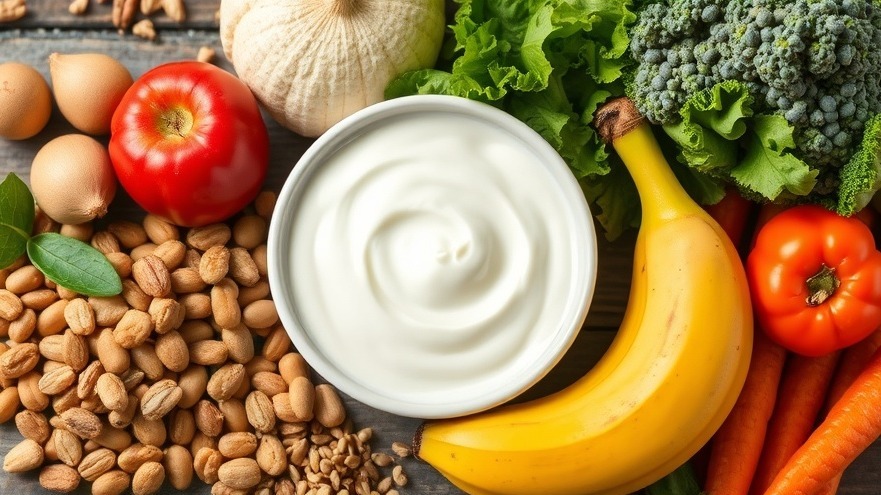
  1. Eat a fiber–rich, whole foods diet, rich in beans, nuts, seeds, whole grains, fruits, and vegetables, all of which feed good bugs.

  2. Limit sugar, processed foods, animal fats, and animal protein as these provide food for unhealthy bugs.

  3. Avoid the use of antibiotics, acid blockers, and anti-inflammatories as they change gut flora for the worse.

  4. Take probiotics daily because these healthy, friendly flora can improve your digestive health and reduce inflammation and allergy.

  5. Consider specialized testing, for example, organic acid testing, stool testing (new tests can look at the DNA of the bacteria in your gut), and others to help assess your gut function. You will likely have to work with a functional medicine practitioner to effectively test and treat imbalances in your gut.


You can learn more at DrHyman.com

Photo: DrinkMeHealthy

Health Matters Healthy Smoothies

37 Views

0 Comments

Write A Comment

*
*
Related Posts All Posts
12.06.2025

Unlocking the Potential: Can Velvet Beans or Fava Beans Help Treat Parkinson’s Disease?

Update Decoding the Connection Between Diet and Parkinson's Disease The exploration of dietary interventions in managing Parkinson's Disease has intrigued scientists and healthcare practitioners alike for centuries. The recent video titled Friday Favorites: Can Velvet Beans or Fava Beans Help Treat Parkinson’s Disease? dives deep into this complex relationship, shedding light on how specific foods may facilitate better management of this neurological condition. With dopamine deficiency being a hallmark of Parkinson's, a dietary approach may offer exciting alternative treatments, particularly for those in low-income regions. This revelation could provide patients with options that are both accessible and effective.In Friday Favorites: Can Velvet Beans or Fava Beans Help Treat Parkinson’s Disease?, the discussion dives into the promising role of diet in managing neurological health, exploring key insights that sparked deeper analysis on our end. Understanding L-DOPA: The Key Compound in Brain Health Pioneering the conversation on dietary sources of levodopa (L-DOPA), a precursor to dopamine, the video addresses how foods like velvet beans and fava beans could offer therapeutic benefits for patients afflicted by Parkinson's. Since the formal discovery of L-DOPA, its application has dominated pharmacological approaches to Parkinson's. Yet, recent inquiries challenge the notion that synthetic medications should monopolize treatment plans. These beans not only present a more cost-effective solution, especially in regions where modern therapies remain elusive, but they might also expunge the stigma associated with traditional medication routes. Global Health Perspectives: The Inequity of Parkinson’s Treatment Globally, a staggering number of Parkinson’s patients, especially in low-income areas, face barriers to accessing essential medications like levodopa. With treatment costs outpacing their daily earnings, incorporating locally available remedies such as velvet beans could bridge the healthcare divide. The evidence gathered from studies reveals that velvet beans may harbor intrinsic compounds that enhance the effectiveness of L-DOPA, making them a viable alternative for those unable to access pharmaceuticals due to financial constraints or geographic isolation. A Closer Look at Velvet Beans: The Potent Antiparkinsonian Factor Throughout the video, a randomized clinical study highlights the promising results offered by velvet beans; findings suggest that they work more effectively when compared head-to-head with traditional L-DOPA treatments. Patients who adhered to a regimen incorporating these beans reported substantial improvements in mobility and quality of life. Nevertheless, while the data evinces a positive trend, it's crucial to approach the findings with caution, as safety and efficacy in chronic applications still need rigorous examination. Fava Beans: Another Ally in the Fight Against Parkinson’s Beyond velvet beans, the investigation extends to fava beans or broad beans, first identified as a natural L-DOPA source. Compared to velvet beans, which provide higher concentrations of the compound, favas can be consumed in larger quantities as part of a regular diet. This availability enhances their appeal for patients grappling with dietary restrictions or those averse to supplements. As highlighted in the video, initial trials demonstrate that cooked fava beans can yield significant improvements in motor function, paralleling those obtained from standard pharmaceutical therapies. The Need for Comprehensive Research and Awareness Despite the enthusiasm surrounding bean consumption for Parkinson's management, the standing point remains that more extensive clinical trials are required to ensure safety, efficacy, and dosage accuracy. Furthermore, consumers should be vigilant about the quality of available supplements; investigations reveal discrepancies in the L-DOPA content among various velvet bean products. This inconsistency draws attention to the necessity of regulatory frameworks that ensure quality control for natural supplements to protect patients. Final Thoughts: Dietary Evolution in Neurological Health As we venture further into the nexus of diet and neurological health, a salient takeaway emerges: dietary choices may significantly influence treatment and management. The potential of natural remedies like velvet and fava beans signifies a shift towards integrative healthcare that respects traditional practices while forging new paths for improvement. Whether these beans could systematically complement or even substitute existing treatments is an ongoing examination—one that invites patients, researchers, and healthcare professionals to reevaluate their approaches to Parkinson’s Disease. For those interested in exploring dietary changes to manage Parkinson’s Disease, consulting with a healthcare provider for personalized advice based on current clinical evidence is highly recommended. Proper guidance can ensure safe and effective integration of these food sources into a treatment plan.

12.06.2025

Unleash Your Inner Chef with the Miami Voyage Smoothie Recipe!

Update Get Ready to Blend: Miami Voyage Smoothie Delight Welcome to the vibrant world of smoothie making, where creativity and freshness meet! If you enjoy exploring unique and crowd-sourced smoothie recipes, you’re in for a treat with the Miami Voyage smoothie. This tasty blend captures the essence of Miami: bright, refreshing, and full of vitality. Following insights shared by our community, here’s how you can recreate this delightful drink at home. Why Smoothies? The Power of Healthy Ingredients Smoothies are more than just delicious; they are a healthy way to pack essential nutrients into your diet. As highlighted in various resources, smoothies can fuel your body, boost immunity, and help with weight management. They are especially appealing to those looking for on-the-go nutrition without sacrificing flavor. Notably, the ingredients in the Miami Voyage smoothie may include tropical fruits like mangoes and pineapples, which not only taste great but are also rich in vitamins. Creating Your Miami Voyage Smoothie To make your own Miami Voyage smoothie, gather the following ingredients: 1 cup frozen mango 1 cup fresh spinach (for added nutrition) 1/2 banana (for creaminess) 1 cup coconut water (hydration hero) A handful of ice Simply blend them together until smooth, and voila! You've got a creamy, refreshing treat that captures the essence of Miami. To elevate your smoothie game, consider adding superfoods such as chia seeds or a scoop of protein powder, which bring additional health benefits to your drink. Community Feedback: Smoothie Loves & Lessons Engaging with our community, many have shared their thoughts on the beauty of smoothie making. Several individuals emphasized how utilizing local ingredients enhances flavor and nutritional value. They pointed out that making smoothies is not just about throwing things in a blender; it’s about connecting with your local produce and celebrating what’s in season. Plus, experimenting with different ingredient combinations allows for endless creativity! Good Vibes and Smoothie Tips Making smoothies can be a fun group activity! Gather friends or family to create smoothie bowls topped with nuts, seeds, and fresh fruits. This not only makes the smoothie-making process more enjoyable but also encourages healthy eating habits. When making smoothies, remember to balance flavors; if you have a sweet fruit, pair it with something tangy or leafy to create a wholesome concoction that excites your taste buds! Wrapping It Up As you venture into the world of smoothies, keep in mind there are no strict rules—just blend, taste, and enjoy! The Miami Voyage smoothie exemplifies the excitement surrounding diverse flavors and community exploration. Remember, every smoothie began as a creative experiment waiting to be shared! So, gather those ingredients, start blending, and share your creations with us! If you love sharing and discovering new flavors, consider joining our community for more delicious recipes and nutritional tips. Let's create a world of healthy smoothies together!

12.05.2025

Unlock the Creamy Smoothie Secret: Best Liquid Bases Revealed!

Update The Secrets to a Creamy Smoothie: What Base to Use? Have you ever wondered what makes that perfect creamy smoothie? It's all about the base! Whether you're whirling up a fruity blend or a decadent chocolate treat, the liquid you choose can change the game. Let's dive into the creamy options that can turn your smoothie into a delicious delight. Why Liquid Bases Matter Choosing the right liquid base is essential for the taste and texture of your smoothie. Each type of liquid has its own unique flavor and nutrition profile. You might think water is the easiest option, but there are many others that add creaminess and richness. Popular Liquid Bases: What Works Best? 1. Milk and Dairy Alternatives: Dairy milk and vegan alternatives like almond or oat milk offer a creamier texture. Dairy milk is full of protein and calcium. For tasty results, almond milk is a favorite, but be sure to pick unsweetened versions to keep it healthy. If you prefer a nutty flavor, try oat milk, which adds a natural sweetness! 2. Juices: While juice brings flavor, keep an eye on the sugar content. Mixing in natural fruit juice can enhance your smoothie’s taste, but pairing it with water can keep it lighter. This way, your smoothie won’t be overloaded with calories, and you can enjoy all the vitamins without the sugar crash. 3. Coconut Water: This tropical drink is low in calories and boasts helpful electrolytes, making it a refreshing option. If you're looking to add a unique twist, coconut water is a delightful choice that pairs wonderfully with fruity smoothies! Searching for a Creamy Texture? Try Yogurt! For those seeking the ultimate in creaminess, yogurt takes the crown! Packed with protein and probiotics, yogurt not only thickens your smoothie but also promotes gut health. Mix in some frozen fruits, and you'll have a smoothie that's both tasty and nourishing. Adjust the amount based on how thick you want it—start small and blend more in if necessary. Experiment and Discover! The best base liquid for your smoothie boils down to personal taste and dietary needs. Want to stay energized for your athletic activities? Opt for milk or yogurt. On a sugar-reduction mission? Water or coconut water might be your best bet. Each ingredient adds its unique benefits, making smoothies a versatile, fun snack, or meal! So grab your blender, get creative, and don’t hesitate to try mixing different bases until you find your favorite! Your Next Delicious Creation Awaits! Ready to whip up a creamy smoothie that will wow your taste buds? Gather your ingredients and blend away! Sharing delicious smoothie recipes and variations strengthens our community, so don’t forget to share your creations with friends. We can’t wait to see what you come up with!

Terms of Service

Privacy Policy

Core Modal Title

Sorry, no results found

You Might Find These Articles Interesting

T
Please Check Your Email
We Will Be Following Up Shortly
*
*
*