
Add Row
Add Element
cropper
update

{COMPANY_NAME}

Drink Me Healthy - logo
update
Add Element
  • Home
  • Smoothies
    • Healthy Smoothies
    • On-the-Go
    • Savory Smoothies
    • Low Calorie Smoothies
    • Weight Loss Smoothies
    • Treat Smoothies
    • Smoothies for Diabetes
    • Energy Boost
    • Reduce Belly Fat
    • Detox
  • Health & Fitness
    • Blenders & Blending
    • Community
    • Fitness
    • Health Matters
    • Immunity
    • Juicing
    • Lifestyle
    • Nutrition
Add Element
  • Drink Me Healthy on Facebook
    update
  • Drink Me Healthy on X
    update
  • update
  • update
  • update
  • update
  • Drink Me Healthy on Instagram
    update
October 21.2025
3 Minutes Read

21 Nutrient-Packed High-Protein Fall Soup Recipes Under 400 Kcal

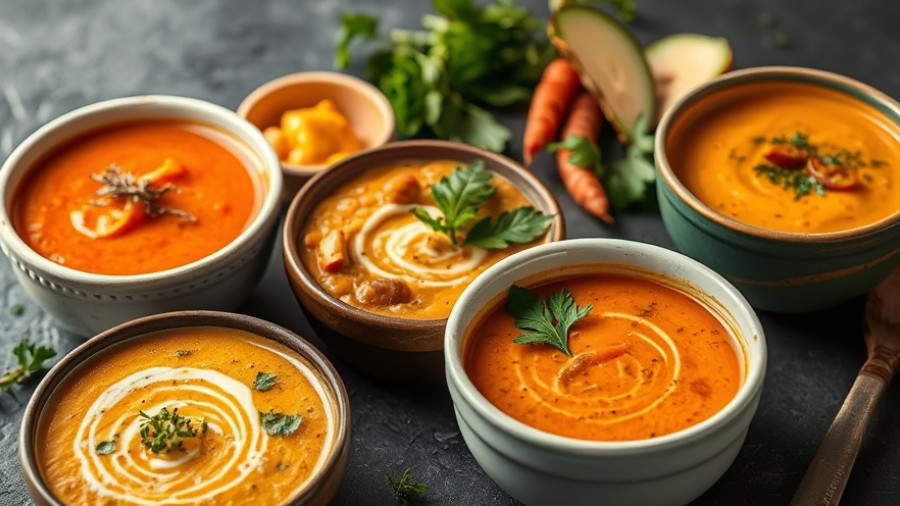
Vibrant high-protein fall soups under 400 kcal with fresh ingredients.

Warm Up with High-Protein Fall Soups

As the leaves turn and the air gets crisper, nothing comforts the soul quite like a warm bowl of soup. If you’re someone who loves to embrace the season but is also conscious about nutrition, high-protein soups under 400 kcal might be just what you need. Not only are they hearty and fulfilling, but they also help you maintain a healthy weight, allowing you to enjoy the seasonal flavors without the guilt.

Why Protein Matters in Your Diet

Protein plays a crucial role in our diet, as it’s fundamental for muscle repair, hormonal balance, and overall health. Especially as we shift into colder months, consuming sufficient protein can help in managing weight and keeping us satiated longer. By opting for high-protein soups, you can warm up your body while nourishing it at the same time.

Highlighting 21 Comforting Soup Recipes

The following soups are not just low in calories; they are also packed with flavors and nutrients that make them perfect for fall. Here are a few standout recipes:

  • Tuscan Soup: Bringing Italian flavors to your dining table, this creamy delight packs 15 grams of protein and only 376 calories per serving.
  • Creamy Crack Chicken Soup: This indulgent mix of chicken, bacon, and cream cheese gives you a rich taste for only 340 calories while providing 20 grams of protein.
  • Anti-Inflammatory Turmeric Chicken Soup: Perfect for those colder days, this soup not only warms the body but also adds 28 grams of protein to your plate for just 305 calories.
  • Hamburger Soup: Comforting and filled with ground beef and veggies, this soup is a family favorite featuring 21 grams of protein at just 199 calories.
  • Taco Soup: For taco lovers, this recipe offers 19 grams of protein under 7 grams of net carbs at 382 calories.

The Benefits of Cooking Your Own Soups

Making soup at home allows you to control the ingredients, ensuring you can pack your meals with nutrients while cutting down on unwanted calories. Plus, it’s an opportunity to get creative with various spices, vegetables, and proteins you enjoy! Homemade soup is not only healthier but often tastier than store-bought versions, where additives and preservatives are common.

Practical Tips for Meal Prep

When preparing your high-protein soups, try batch cooking. You can make large quantities of your favorites and store them in portion-containers for quick meals. This method not only saves time during busy weeks but also ensures you always have a nutritious meal on hand.

Future Predictions: The Rise of Protein-Based Diets

As nutrition science evolves, more individuals are starting to recognize the potential benefits of high-protein diets. Beyond just muscle building, protein helps curb cravings, supports a healthy metabolism, and can even aid in weight management. This aligns well with the growing trend of incorporating protein-rich meals into daily diets.

Embracing Change: Making the Shift to High-Protein Meals

Making dietary adjustments can be both empowering and daunting. To create meaningful changes, start by gradually swapping out high-carb or high-fat meals with these high-protein alternatives. Small steps in your cooking can lead to significant changes in your health, making you feel lighter and more energetic as the seasons change.

Conclusion: Make Soup Your Go-To This Fall

This fall, as you cozy up with your favorite flick, consider whipping up one of these high-protein soups. Not only are they comfort in a bowl, but they also align with your nutritional goals. Embrace the cozy vibes and delicious flavors while nourishing your body.

If you’re ready to take your nutrition to the next level, dive into these recipes and enjoy a season filled with warmth and health!

Nutrition

28 Views

0 Comments

Write A Comment

*
*
Please complete the captcha to submit your comment.
Related Posts All Posts
04.07.2026

Effortless Protein-Packed Dinners to Jazz Up Your Summer

Update Effortless Protein-Packed Dinners to Jazz Up Your SummerAs the summer sun shines brightly, the last thing you want to do is spend hours slaving away in the kitchen. Instead, why not serve up some quick, protein-packed meals that will keep you satisfied while enjoying the warm weather? With an array of delightful recipes designed for lazy summer nights, you can make the most of your evenings without sacrificing your nutritional goals.Easy Gourmet Meals: High-Protein Made SimpleSummer is the perfect time to enjoy fresh, healthy meals that require minimal effort in the kitchen. Some standout options include Sheet-Pan Shrimp Fajitas, where shrimp cooks flawlessly alongside colorful veggies, offering both flavor and protein in less than 30 minutes. Or try the One-Pan Cilantro-Lime Chicken, which features a zesty marinade that packs a punch and keeps cooking time to a minimum.Maximizing Protein: Why It's ImportantReaching adequate protein intake is crucial, especially during physically active summer months. Not only does protein help keep you feeling full, but it also plays a key role in muscle recovery if you’re engaging in summer sports or workout routines. Each meal from this collection contains at least 30 grams of protein, giving you the boost you need after a day of outdoor activities.Batch Cooking for Busy Nights: The Smart StrategyConsider batch cooking a few of these top high-protein dinners at the beginning of the week. Options like Easy Stuffed Peppers or Chickpea & Beef Burgers make for great leftovers that can be incorporated into your meals for days to come. This strategy not only saves time but ensures you have delicious and nutritious meals ready to go, which is essential when summer outings or unexpected plans come up.Vegetarian Delights: Not Just for Meat-EatersFor those looking to incorporate more plant-based options without sacrificing protein, dishes like Loaded Vegetable Quiche or Chickpea & Beef Burgers provide fulfilling alternatives that add interest to your meals and bring varied nutrients.Make Your Summer Healthier with These Simple RecipesSummer cooking doesn’t need to be labor-intensive. By having quick, high-protein recipes at your fingertips, you can easily maintain a nutritious diet while relishing during the warm season. Ready to revamp your summer dinners? Dive into these satisfying meals today!

04.06.2026

Unlock Your Health Potential with This Weekly Meal Plan for Immunity

Update Revitalize Your Immune System with a Thoughtful Weekly Meal Plan The journey to maintaining a robust immune system is often paved with the right dietary choices. A well-structured weekly meal plan not only cultivates healthy eating habits but also explores innovative recipes that keep your meals vibrant and nutritious. Specifically tailored for those recovering from illness or dealing with daily stressors, this plan works efficaciously to bolster wellness and enhance overall health. Use this guide to streamline your grocery shopping, employ kitchen strategies that save time, and indulge in delicious meals. On the Menu This Week: Nourishing Ingredients for Optimal Health Each dish in this week's plan is not merely about taste; it's about nutrition that fuels recovery and immunity: Stuffed Pepper Casserole: Packed with protein and vitamins, this dish provides wholesome sustenance, priced at $3.09 per serving. Garlic Butter Shrimp: Rich in omega-3 fatty acids, this meal not only delights your palate but also supports heart health at a cost of $4.97 per serving. Cauliflower Pasta: A low-carb alternative that satisfies cravings without compromising your health, costing only $2.81 per serving. Stuffed Portobello Mushrooms: These mushrooms are high in antioxidants, perfect for combating oxidative stress, priced at $7.13 per serving. Air Fryer Pork Chops with Roasted Asparagus: This dish combines lean protein and fibrous vegetables to fortify your immunity, structured at $6.89 per serving. Bonus: Protein Overnight Oats: A great breakfast option that not only stabilizes blood sugar levels but is economical at $2.16. Smart Grocery Shopping for a Healthy Lifestyle Organizing a meal plan is only the first step. To enhance your food resources efficiently, it is vital to create a grocery list that prioritizes ingredients high in vitamins, minerals, and essential nutrients. This week's budget is approximately $70, with careful pricing on nutrient-dense items. Utilizing time-saving strategies, such as bulk buying pantry staples and planning meals around seasonal produce, can dramatically reduce waste and costs. Actionable Insights: How to Implement This Meal Plan To leverage the benefits of this meal plan fully, here's how to get started: Customize for Your Family: Adjust serving sizes according to your household needs. The easy adjustment feature, represented by simple '+' and '-' icons, will make modifications a breeze. Utilize Leftovers: Incorporate leftover ingredients from previous meals to minimize waste while also saving time on preparation for your week's menu. Plan for Flexibility: Build in flexibility throughout the week. Having a 'free' day allows for ordering out or trying alternative meal ideas. Learn and Adapt: Each week is a new beginning. Use the insights gathered from previous meals to refine your preferences and grocery list. Conclusion: Nourishment as a Cornerstone of Recovery Meal planning is an essential tool for anyone looking to recover from illness or support immune function. This structured approach can reduce the daily stress of meal preparation while ensuring you consistently consume balanced and health-enhancing foods. Ready to elevate your culinary experience and reclaim your wellness journey? Start compiling your meals today!

04.05.2026

Unlocking Weight Loss Secrets: How Sleep Impacts Your Progress

Update Understanding the Sleep-Weight Connection The balance between sleep and weight management is an intricate dance influenced by various biological and lifestyle factors. Numerous studies suggest that lack of sleep can lead to weight gain, particularly in our modern society where sleep often takes a backseat to demanding schedules. Chronic sleep deprivation may disrupt hormones that control appetite, such as ghrelin and leptin, leading to increased hunger and altered food choices. When analyzing the effects of sleep on weight loss, it's essential to consider both direct influences and secondary factors, such as individuals' socioeconomic status and lifestyle habits.In 'Friday Favorites: The Effect of Sleep on Weight Loss', the discussion dives into the profound relationship between sleep and weight management, exploring key insights that sparked deeper analysis on our end. It's Not Just Calories: The Deeper Mechanisms Showcased Many overlook the role sleep plays in metabolism. Research shows that insufficient sleep not only increases calorie intake but also alters our metabolic rate. When individuals are sleep-deprived, they tend to opt for high-calorie, sugary snacks. This shift in behavior is underscored by findings which reveal how brain rewards pathways intensify their reaction to calorically dense foods when deprived of sleep. For example, waking through the night leads to higher levels of the endocannabinoid system's chief chemical, influencing late-night snacking patterns that further contribute to weight gain. Something More: Lean Mass Versus Fat Loss Surprisingly, weight loss doesn’t equate solely to fat loss. Scientific trials highlight how sleep duration impacts the quality of weight loss, revealing that subjects getting more sleep burned significantly more fat compared to their less-rested counterparts, even while adhering to the same caloric intake. These staggering differences are critical to understanding the bodily composition post-diet, where longer sleep durations lead to healthier body compositions, enriching diets with sustainable practices that ultimately reduce the risk of excessive weight gain. The Myth of 'Catch-Up Sleep': Why It's Insufficient One common misconception is that individuals can simply 'catch up' on sleep over weekends. Recent studies highlighted in the discussion reveal that merely extending sleep duration on weekends does little to counteract the metabolic repercussions of sleep deprivation throughout the week. Instead, partial recovery might lead to a scenario often described as ‘social jet lag’ that disrupts the body’s circadian rhythms and ultimately fails to rectify hormonal imbalances and increase body fat loss. Continuous under-sleeping could gradually set the stage for obesity-related risks. Parental Influence: The Role of Family Sleep Routines Interestingly, family dynamics, particularly focused on regular sleep routines, have shown fascinating correlations with obesity rates amongst children. A study indicated that families who practiced collective meal times, regulated screen time, and prioritized sufficient sleep saw lower BMI rates in their children. By examining household routines and their impacts on sleep habits, we can better understand the role of environment in weight management. These findings reinforce the idea that creating a healthy sleep environment may not only alter individual weight trajectories but could potentially pave the way for healthier future generations. Bridging the Gap from Theory to Practice: Interventional Insights Transitioning from theory to proactive measures is essential for successful weight management. Sleep improvement interventions have exhibited considerable promise for enhancing weight loss metrics. Educational resources, public health policies, and nutritional education need to emphasize the synergy between adequate sleep and dietary practices. Promoting awareness about the critical links between sleep and dietary choices can inform better practices in both individual and community settings. As sleep emerges as a vital pillar of good health, recognizing its worth can drastically alter health outcomes. In conclusion, the importance of prioritizing sleep cannot be overstated. The relationship between sleep and weight management is immensely intricate, overshadowed by various biological, environmental, and behavioral factors. As we shed light on the critical findings of sleep's profound effect on weight loss, it becomes increasingly evident that improving sleep quality should be considered one of the fundamental best practices for anyone looking to enhance their overall health and wellbeing.

Terms of Service

Privacy Policy

Core Modal Title

Sorry, no results found

You Might Find These Articles Interesting

T
Please Check Your Email
We Will Be Following Up Shortly
*
*
*